




The coronavirus (COVID-19) that has so far claimed over 14,500 lives globally as of 23 March has strengthened the case for intra-African regional value chains and trade, according to the United Nations Economic Commission for Africa (ECA).
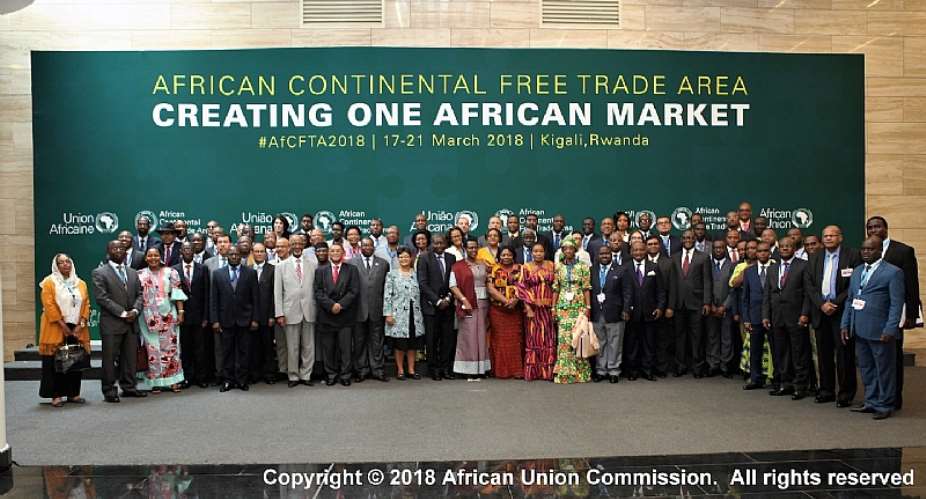
In an interview with Africa Renewal, Mr. Stephen Karingi, the Director of the Regional Integration and Trade Division at the ECA, said the Africa Continental Free Trade Area (AfCFTA) could help mitigate the effects of COVID-19, especially on pharmaceuticals and foodstuffs.
“A rapid and ambitious implementation of the AfCFTA will go a long way in hastening the recovery from COVID-19 impacts while inoculating Africa against future adverse effects of shocks such as this,” said Mr. Karingi.
Pharmaceuticals
Africa spends US$16 billion on drugs annually and depends heavily on China and other countries in Europe and Asia for its pharmaceutical supply, some of which are badly affected by the current COVID-19 pandemic.
Mr. Karingi said African countries could start manufacturing the drugs themselves, which would not only be cheaper but would also help secure the quality and safety of supply; and contribute to financial sustainability as import bills are increasing across the continent.
“Local production of pharmaceuticals across select hubs can support inter-regional trade for mutual economic benefits but also support investments locally,” he said.
Producing pharmaceuticals on the continent is also important given the need to tackle local diseases that make no investment case for large external pharmaceutical companies. Good examples are antibiotics and other infectious disease drugs, which big manufacturers no longer want to produce.
The AfCFTA, said Mr. Karingi, creates an environment conducive for African regional value chains, regional champions, and eventually continental champions.
“These can be leveraged as a springboard for nurturing African multinationals and creating jobs and prosperity,” he said.
Food imports
Just over a dozen African countries including South Africa, Ghana, Cote d’Ivoire are net exporters of food, but they largely do not sell within the continent. With many countries importing foodstuffs such as wheat, rice, fish and milk from COVID-19 affected countries in Europe, Middle East and elsewhere, Mr. Karingi sees a role for the AfCFTA to cushion against shocks.
“We need to maintain momentum on AfCFTA as a mechanism for building long term continental resilience and volatility management by increasing, for example, intra-African trade on basic food products.”
However, Mr. Karingi says the current border closures and travel limitations for COVID-19 containment may make it difficult to conclude the outstanding negotiations on rules of origin and tariff offers, which are needed for trade to start under the AfCFTA on 1 July 2020.

 Mahama unveils H-Enabler platform to boost health investment and manufacturing i...
 Calm restored at Larteh Ahenase after Odwira Festival disturbances — Police
 Young woman found hanging from mango tree at Kasoa Akweley Peace Town
 Service Machinery Ghana Limited MD caged over alleged $1m fraud against employer
 Bawumia pledges support for John Boadu-led NPP leadership ahead of 2028
 Boakye Agyarko pledges support for John Boadu, calls for NPP unity after electio...
 Meet the newly elected national executives to lead NPP return to power in 2028
 'I extend my hand of friendship, partnership to contenders for ideas, experience...
 Rwandan genocide suspect 'hunter' Dafroza Gauthier dies at 72
 Brazilians begin voting in tight election between Lula and Flavio Bolsonaro


