




Political power rests on the trust of the electorate, and for the National Democratic Congress (NDC), women have long formed a crucial pillar of that support. When political actions contradict the core values of fairness and justice, the party risks losing the very audience that sustains it. Recent events involving the suppression of free speech and the questionable treatment of everyday women present a growing concern for ordinary voters across Ghana.
A disturbing pattern of state overreach has begun to unfold, disproportionately targeting citizens who express dissenting views. Among these cases, the detention of a female nurse for weeks under harsh circumstances sent shockwaves through the healthcare fraternity and civil society. Her prolonged ordeal without swift access to justice highlighted a growing intolerance for critical voices. Before public outrage over her plight could fully subside, another alarming incident captured national attention.
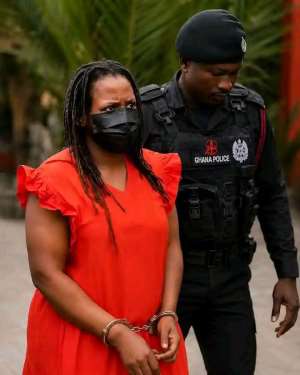
Camilla Alhassan, a young woman who expressed her views on social media, was arrested by police officers. Photos circulating online showed visible signs of physical assault, raising serious questions about the conduct of law enforcement. When she appeared in court, she lacked legal representation and was allegedly misled into pleading guilty. Even when defence lawyers later intervened to request a retrial, the presiding female judge refused the plea and sentenced her to a year in prison. Such swift harshness toward a vulnerable citizen stands in stark contrast to the standard of fair trial and due process.
Despite these alarming events, prominent women within the NDC administration have remained silent. High-profile female figures, who are expected to defend human rights and safeguard free expression, have offered no public empathy or support for these ordinary women. Their silence suggests a troubling indifference to the struggles of everyday citizens facing legal and political distress. When women in leadership turn a blind eye to the mistreatment of their fellow women, they undermine the trust that voters place in them.
Instead of addressing these human rights concerns, public discourse shifted toward defending political privilege. When citizens criticized Joyce Bawa Mogtari for displaying an opulent lifestyle while serving in government, the Minister of Tourism, Dzifa Gomashie, quickly stepped in. She vocally attacked the men making those criticisms, choosing to spend political capital on defending a elite colleague rather than advocating for vulnerable women. This defense of privilege, contrasted against the complete neglect of abused citizens, reinforces the perception that the political elite cares only for its own.
This selective empathy creates a deep divide between NDC women leaders and the broader female electorate. Ghanaian women expect leaders who defend justice consistently, regardless of political affiliation or social standing. When leadership mobilizes only to protect the affluent while ignoring the plight of a detained nurse or a wrongly convicted woman, it sends a clear message of neglect. Women voters, who observe these double standards, will remember which leaders stood up for them when their rights were infringed upon.
The political consequences of this silence could prove costly in upcoming elections. Everyday voters identify with the struggles of ordinary women, not with the defensive posturing of political elites. By ignoring state excesses and prioritizing elite solidarity, female NDC leaders are alienating the female populace. If this posture continues, Ghanaian women will likely express their dissatisfaction at the ballot box, turning away from a party whose female representatives failed to speak when it mattered most.


 ‘Too arrogant, too sure of itself’ France confronts its legacy in Africa
 Nigeria's unwritten power-sharing rule looms over presidential race
 Several killed, dozens wounded in Jordan church shooting
 ‘I killed lots of terrorists, but it didn’t make me feel better’: The trauma hau...
 Casualties feared as multi-storey building collapses in Nairobi
 Cabinet approves bill to regulate public relations practice – Shamima Muslim
 Bawumia was right; NDC's economy is only on paper, not in people's pockets – Kwa...
 NDC should credit Bawumia for introducing gold-for-reserves policy – Kwadwo Poku
 Obuasi SHTS sex scandal: Gender Ministry deploys team to support affected studen...
 Adwoa Safo's Dome-Kwabenya comeback bid must push Elikplim Akurugu to deliver mo...


