




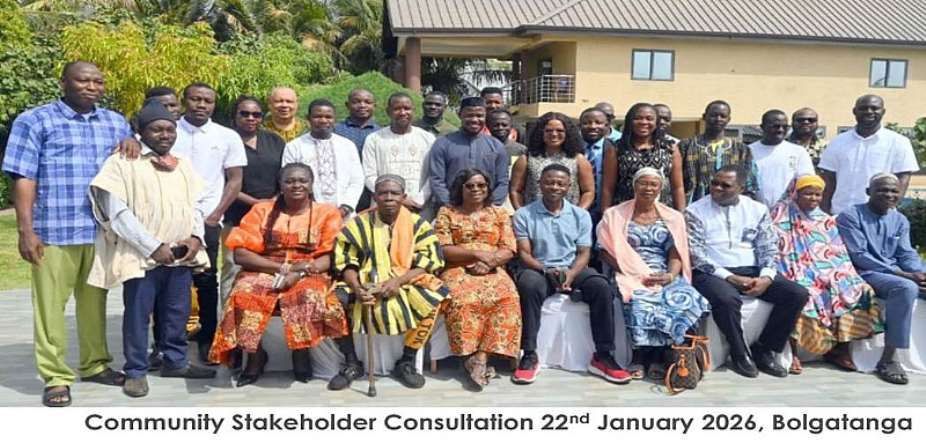
From scorching heat and prolonged drought to devastating floods and unpredictable rainfall, Ghana’s vulnerable wetland communities face an increasingly uncertain future. New research, however, suggests that restoring nature and empowering local communities could help turn the tide against climate change.
Ghana’s wetland communities could face mounting threats to their livelihoods, food security and economic stability as rising temperatures, unpredictable rainfall, heavier storms and flash flooding intensify, according to findings from an international climate research initiative.
The findings emerge from the Addressing Climate Vulnerability through Nature-Based Solutions using Transdisciplinary Engagement of Wetland Communities (AV-STEC) project, which brings together the Centre for Biodiversity and Conservation Research at the University of Ghana, Naturama in Burkina Faso, York University in Canada, and the Stockholm Environment Institute in the United States.
The AVSTEC team leaders include Emerita Professor Yaa Ntiamoa-Baidu (CBCR); Prof Christopher Gordon (University of Ghana); Prof Joseph Mensah, York University; Mr. Idrissah Zeba, Naturama, Burkina Faso; and Dr. Mary Thompson, START, USA.
The project aims to strengthen climate resilience by connecting scientific research with local knowledge and helping communities develop practical, inclusive and sustainable adaptation strategies.
A CLIMATE WARNING THAT CANNOT BE IGNORED
Climate projections examined by the project point to a future of increasing extreme heat, greater rainfall variability, heavier storm bursts and flash flooding. Communities dependent on agriculture and natural resources could face multiple climate threats, sometimes within the same season.
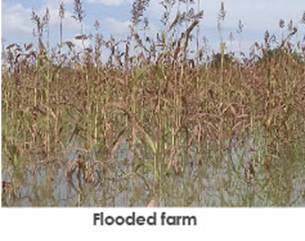
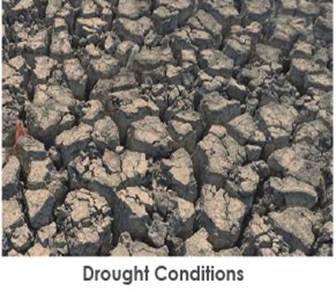 Farmers may struggle with prolonged dry conditions, only to see intense rainfall flood their fields and destroy crops. Such overlapping hazards can deepen poverty, threaten food production and place additional pressure on households already struggling to cope with environmental changes.
The findings reinforce the need for climate planning that looks beyond individual disasters to address the interconnected risks affecting people, water systems and agricultural livelihoods.
WHY EMERGENCY RELIEF IS NOT ENOUGH
While emergency assistance can provide essential support after floods, the research highlights the limitations of relying primarily on relief after disasters have occurred.
Instead, it points to Nature-Based Solutions, including catchment reforestation, green belts and wetland restoration, as important approaches to strengthening long-term resilience.
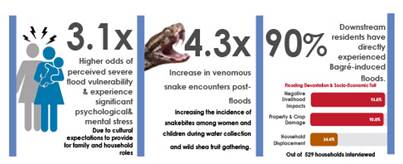 Healthy wetlands and restored landscapes can help retain and manage water, support biodiversity and reduce some of the impacts associated with flooding. These measures, alongside effective planning and early-warning systems, could help communities prepare for climate hazards rather than continually recover from them.
The research therefore calls for a shift towards addressing the underlying causes of vulnerability, not simply managing the consequences.
SOLAR-POWERED IRRIGATION OFFERS FARMERS AN ALTERNATIVE
Agriculture is another major concern. When farming depends heavily on rainfall, unpredictable weather can undermine production and household incomes.
The AV-STEC project is working with communities to co-design dry-season, solar-powered irrigated agro-ecological systems. These initiatives seek to reduce dependence on rainfall and create opportunities for agricultural production during drier periods.
The emphasis on co-design is significant: communities are involved in developing solutions intended to respond to their actual needs, circumstances and knowledge.
WOMEN MUST HAVE A VOICE IN CLIMATE SOLUTIONS
The findings also highlight the importance of gender-responsive climate policies. Men and women can experience climate-related hardship differently, depending on their economic opportunities, household responsibilities and access to resources.
The project emphasizes women's financial independence and the need to expand access to credit facilities, business training and economic opportunities.
Without deliberate efforts to address these differences, climate adaptation programmes risk leaving vulnerable groups behind and potentially worsening existing inequalities.
89% OF COMMUNITY MEMBERS ARE WILLING TO PARTICIPATE
One encouraging finding is that 89 per cent of local community members expressed willingness to participate in flood-mitigation and nature-based adaptation initiatives.
The figure suggests considerable potential for community-led action, provided residents receive meaningful opportunities, resources and institutional support to participate.
The project identifies collaboration among research partners, government involvement, local ownership and effective consultation as important enabling factors. However, challenges remain, including limited budgets, shortened project timelines, geographical constraints and the influence of the Bagre Dam's operation on downstream water conditions.
GHANA AND BURKINA FASO MUST WORK TOGETHER
 Because the water systems cross national boundaries, climate resilience also requires cooperation between Ghana and Burkina Faso.
The project is supporting renewed dialogue on transboundary water management and early-warning cooperation following the collapse of the joint bilateral technical committee in 2011.
Stronger coordination could help communities and institutions better understand shared water-related risks and improve preparedness as rainfall patterns become increasingly unpredictable.
FROM RESEARCH TO ACTION
The AV-STEC findings offer both a warning and an opportunity. Climate risks are placing pressure on livelihoods, but communities have demonstrated a willingness to participate in practical responses.
The next challenge is translating research into sustained investment, inclusive policies, restored ecosystems and locally owned adaptation programmes.
For policymakers, researchers and development partners, the message is clear: building resilience requires more than responding when disaster strikes. It requires preparing communities, protecting natural systems and ensuring that women and other vulnerable groups have a meaningful role in shaping solutions.
As Ghana confronts an increasingly uncertain climate future, the question is whether collective action can move quickly enough to protect the communities whose livelihoods depend on the country's wetlands and water systems.
The AV-STEC project forms part of CLARE, a climate adaptation and resilience research programme funded primarily by UK Aid through the Foreign, Commonwealth and Development Office, with co-funding from Canada's International Development Research Centre (IDRC). The views expressed in project materials do not necessarily represent those of the UK government, IDRC or its Board of Governors.


 Upper Dixcove: Dumsor is killing our business – Chief Fisherman
 UTAG-UG threatens strike over delayed 2026 book and research allowance from Octo...
 South Africa protests: Ghanaians warned to limit travel in Johannesburg and Durb...
 UN cautions against forced tenant evictions without prior consultation
 UN advises Ghana to strengthen Rent Control Department with requisite logistics
 ECG announces three-day power outages in parts of Accra from Monday
 Ghana’s banking assets rise to GH¢500.2billion
 'In the history of Ghana when has such quantum of Common Fund monies released to...
 Mahama orders improvement of key roads in regional capitals ahead of Ghana’s 70t...
 NDC orders aspirants to remove oversized campaign posters within five days


