




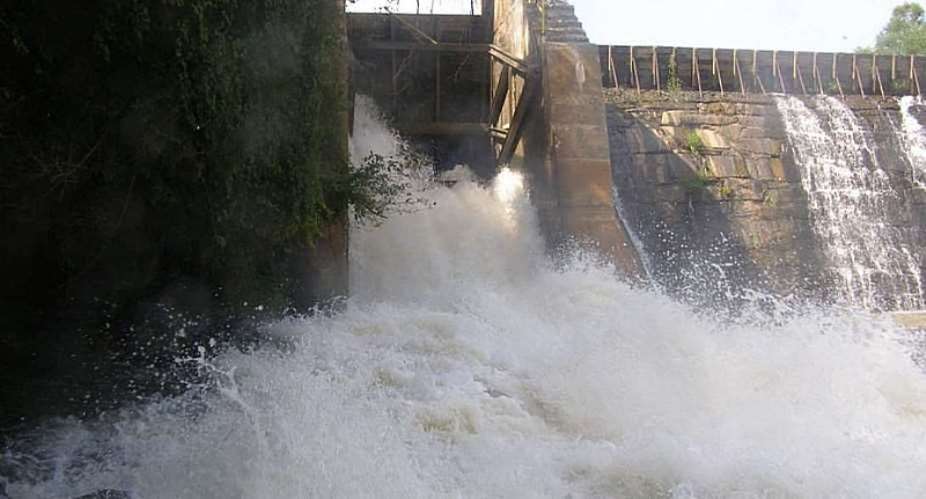
Every year, the waters released from Burkina Faso’s Bagré Dam threaten to turn the hopes of northern Ghana’s farming communities into heartbreak. Crops nurtured for months can disappear beneath floodwater, homes can become uninhabitable, livelihoods can collapse, and families can be forced to abandon the land they call home. Now, an international team of researchers has brought science, community knowledge and nature-based solutions into the search for a lasting answer. The critical question is whether governments will turn that knowledge into action before another season of destruction begins.
For farming families in northern Ghana, the rainy season should bring hope. It should mean growing crops, replenishing water sources, feeding families and preparing for a harvest that can sustain households for months.
But for communities along the White Volta River, the arrival of heavy rains can also bring fear.
When water levels rise at Burkina Faso’s Bagré Dam, controlled releases may become necessary to protect the dam from overtopping. Although the releases serve an important safety purpose, the additional water flowing downstream can intensify flooding in vulnerable riparian communities in Ghana.
For residents whose livelihoods depend on farming, fishing, livestock and wetland resources, the consequences can be devastating. The destruction does not end when the water recedes. Families may lose their income, children may experience interrupted education, and communities can spend months or years struggling to recover.
The question is no longer whether these floods pose a serious challenge. The question is how Ghana and Burkina Faso can manage their shared water resources in ways that protect lives, livelihoods and the environment in both countries.
A collaborative research initiative is now examining that challenge, offering a pathway towards more informed, inclusive and sustainable solutions. 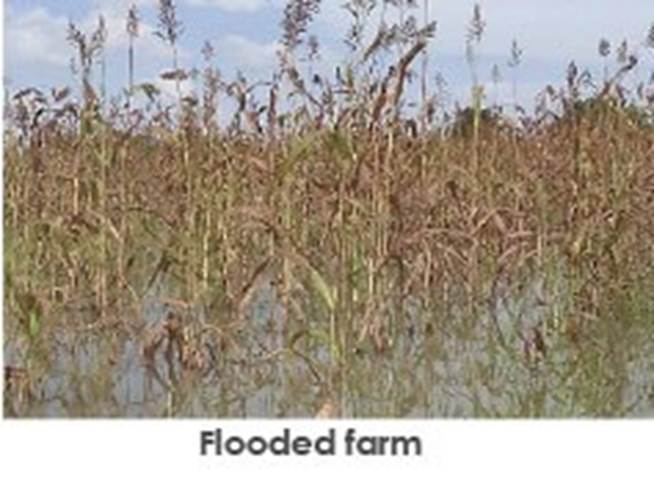
A recurring disaster with a devastating history
The Bagré Dam, commissioned in 1992, is a major water infrastructure project in Burkina Faso, primarily serving irrigation needs. Its controlled water releases have, since 1999, contributed to serious flooding downstream in Ghana. The effects have included deaths, displacement, destroyed farmland and damage to homes and public infrastructure. Source: Ghana News Agency.
The scale of the historical damage is sobering. 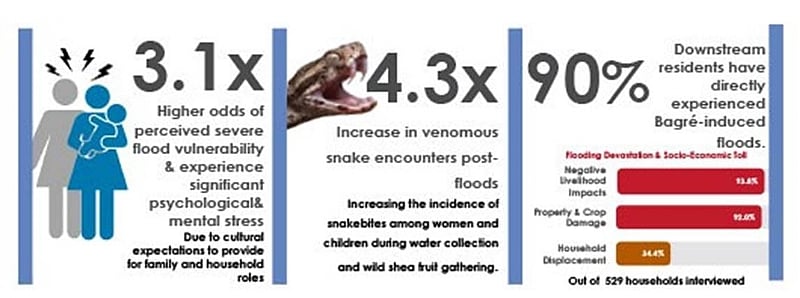
Research documentation associated with the “Addressing Climate Vulnerability through Nature-Based Solutions using Transdisciplinary Engagement of Wetland Communities (AV-STEC)” project records that the 1999 flooding left approximately 9,000 people homeless and was associated with 52 deaths and a cholera outbreak.
In 2007, about 307,127 people were reportedly affected, with emergency response costs estimated at US$25 million.
The destruction continued in subsequent years. In 2018, dam-induced flooding reportedly resulted in 17 deaths and damaged 75,607 farms, alongside thousands of houses, wells, bridges and other infrastructure.
In September 2022, approximately 3,000 hectares of farmland were reported damaged, affecting an estimated 2,000 farmers. In October 2023, flooding in the Kpandai District displaced more than 2,000 residents and submerged about 43 communities, according to reports cited in the research document.
These figures illustrate that this is not simply a seasonal inconvenience. It is a recurring threat to human life, rural livelihoods, local economies, food security and community stability.
For a farmer, losing a field can mean losing an entire year's investment. For a household whose savings have been spent on seeds, fertiliser, labour and other farming expenses, the destruction can leave little money to begin again.
And when homes, roads, bridges and schools are affected, the damage spreads beyond agriculture to education, health, transport and access to essential services.
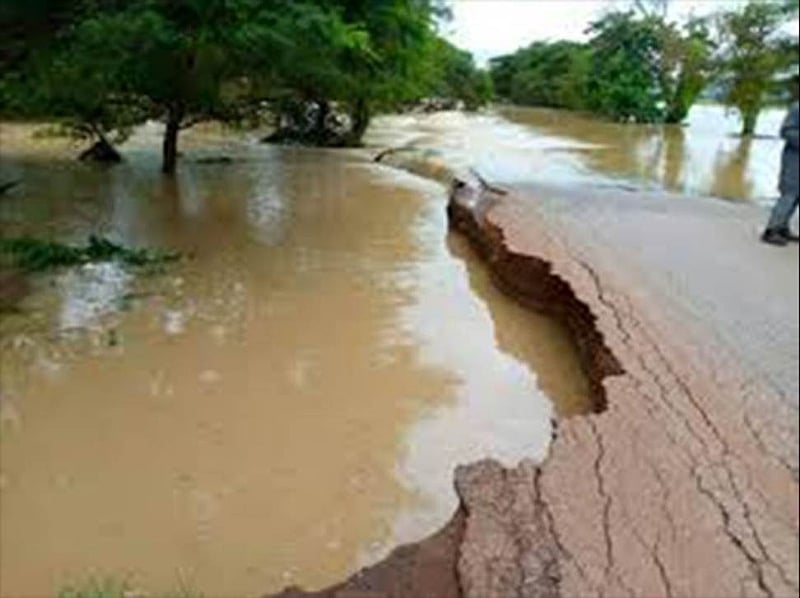
Beyond the floodwater: a crisis of livelihoods and displacement
The human cost of the Bagré Dam floods extends far beyond the immediate destruction visible during an emergency.
Northern Ghana's wetlands and riverbank communities depend on the surrounding environment for food, water, income, and other resources. When flooding damages these ecosystems or makes them inaccessible, families lose more than crops and buildings; they lose part of the foundation on which their daily lives depend.
The AV-STEC research identifies several interconnected pressures affecting these communities, including unpredictable weather patterns, extreme climate events, land degradation and growing pressure on natural resources.
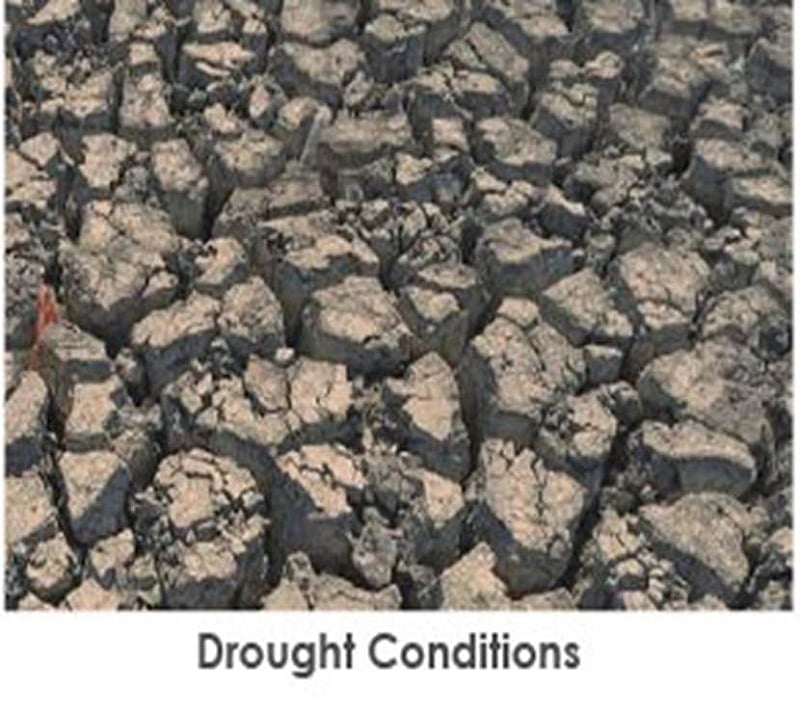
These challenges can reinforce one another. A community already struggling with drought, limited financial resources or declining soil quality may have fewer options when flooding strikes.
The effects are also unequal. The project specifically considers how gender, age, income, disability and other social circumstances influence people's exposure to climate risks and their ability to recover.
Women and children, for example, can face additional burdens when water becomes scarce or household resources disappear. Women who depend on wetland products or small-scale agricultural enterprises may see their income sources threatened, while families may have to redirect money intended for education and other essential needs towards recovery.
This is why a lasting solution cannot consist solely of emergency relief after a flood. Communities also need the knowledge, infrastructure, resources and livelihood alternatives that can help them prepare for future risks.
 AV-STEC: bringing science and communities together
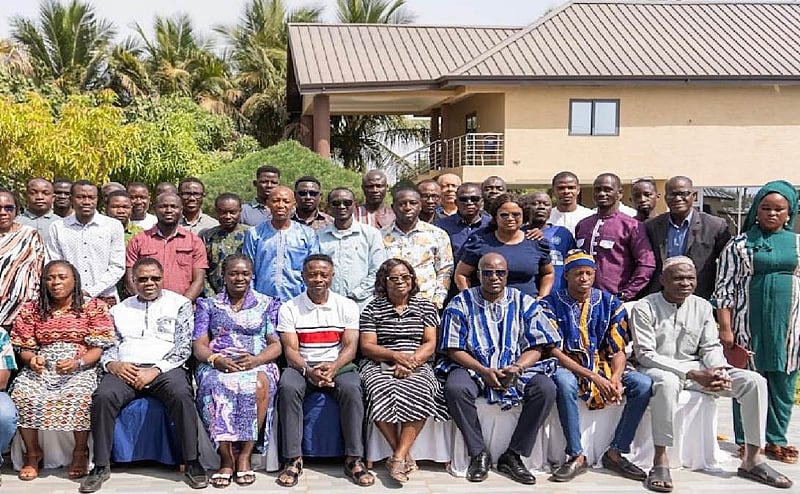
The AV-STEC project seeks to address these interconnected challenges through research, cross-border cooperation and practical adaptation strategies.
It brings together the Centre for Biodiversity and Conservation Research (C.B.C.R.) at the University of Ghana, Naturama in Burkina Faso, York University in Canada, and START International in the United States, alongside researchers, students, community representatives and other stakeholders.
The two-year initiative forms part of the Climate Adaptation and Resilience (C.L.A.R.E.) programme supported by the International Development Research Centre and the UK International Development research programme. York University described the initiative in February 2026 as a US$1.4 million project focused on climate resilience in vulnerable communities across the Volta Basin. Source: York University.
AVSTEC team leaders included Emerita Professor Yaa Ntiamoa-Baidu (CBCR); Prof Christopher Gordon (University of Ghana); Prof Joseph Mensah, York University; Mr. Idrissah Zeba, Naturama, Burkina Faso; and Dr. Mary Thompson, START, USA.
The research pays particular attention to northern Ghana and the communities affected by the annual Bagré Dam releases. Its purpose is not merely to document destruction, but to understand the factors that make people vulnerable and identify measures that can help them adapt and initiate some pilot intervention projects.
Among its central objectives are assessing climate-related risks, understanding barriers to community adaptation, developing locally appropriate solutions, strengthening climate awareness and generating evidence that can inform public policy.
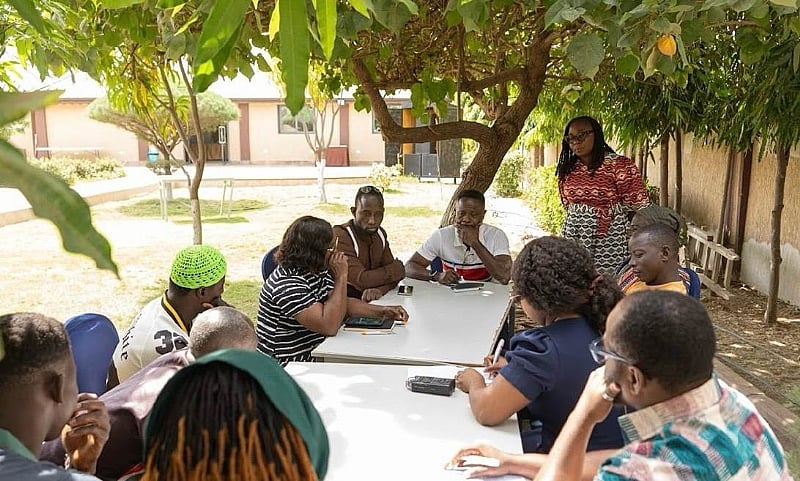
The research combines household surveys, in-depth interviews, focus group discussions, ecological assessments and climate modelling. It also seeks to incorporate the experiences and knowledge of the people who live with flooding.
That approach is important because a solution designed without the participation of affected communities may fail to reflect the realities of farming schedules, local land use, household finances and access to water.
 What solutions are researchers exploring?
One of the project's most important contributions is its emphasis on nature-based solutions and locally informed adaptation.
These approaches recognise that wetlands and riparian ecosystems can help support biodiversity, water availability, food security and livelihoods when managed sustainably.
The project proposes examining how improved wetland management, sustainable land use, ecosystem restoration and better understanding of local climate patterns can strengthen community resilience.
It also envisages pilot livelihood interventions selected in consultation with local people. Options identified in the project include wells, boreholes, water infrastructure, support for water pumps, dry season farming with irrigation, beekeeping and the rearing of chickens and small ruminants, particularly through enterprises involving women.
These are proposed projects from which the AV-STEC team will select for their pilot intervention.
Obviously, the value of any such intervention will depend on careful planning, community participation, ecological suitability, reliable funding and continued monitoring.
Researchers also intend to develop local climate scenarios and improve the collection and use of information that could help communities and authorities better understand flooding risks.
Such information could strengthen agricultural planning, improve preparedness and support decisions about when and how to communicate impending flood threats.
The goal is to move from reacting to disasters towards anticipating risks and reducing the damage before it occurs.
Early warnings must reach the people who need them
 A warning has little value if it does not reach the farmer, family or village at risk in time.
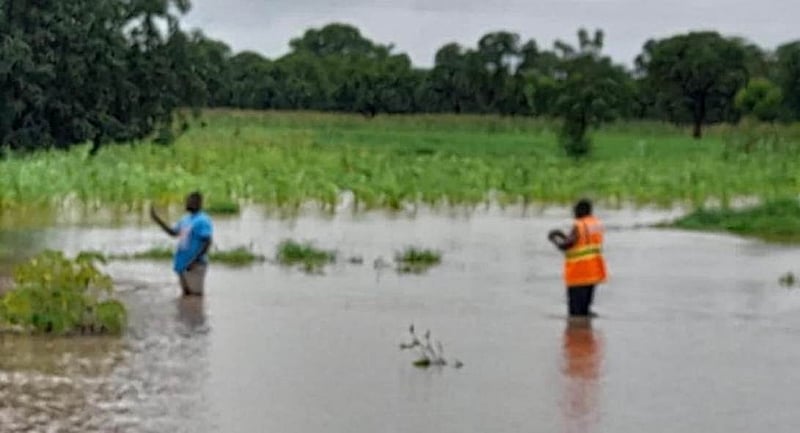
In August 2025, an AV-STEC ecological team visited affected communities to examine the effects of flooding and assess how advance information about the dam releases was communicated. Project representatives reported preliminary concerns that some residents were unaware of the planned release despite an announcement by Burkina Faso's power utility. Source: Ghana News Agency.
This raises an important public-safety question: how can cross-border warnings be converted into timely, understandable and actionable information for people living in flood-prone areas?
A more effective system would require coordination between the authorities responsible for dam operations, Ghanaian water-resource agencies, disaster-management officials, district assemblies, traditional leaders and community organisations.
Warnings must also be accessible to people who may not have reliable internet access or who depend on local languages and community communication networks.
Radio announcements, local information centres, mobile alerts, community meetings and clearly communicated evacuation guidance could form part of a coordinated system.
However, warnings alone cannot prevent every loss. They must be accompanied by safe evacuation options, suitable shelters, practical support for vulnerable households and plans to protect essential services.
A shared river demands shared responsibility
The White Volta does not stop at a national boundary, and the consequences of decisions affecting its waters cannot be managed effectively by one country acting alone.
The AV-STEC initiative therefore places considerable importance on transboundary cooperation between Ghana and Burkina Faso, and that is why the team includes researchers from both countries
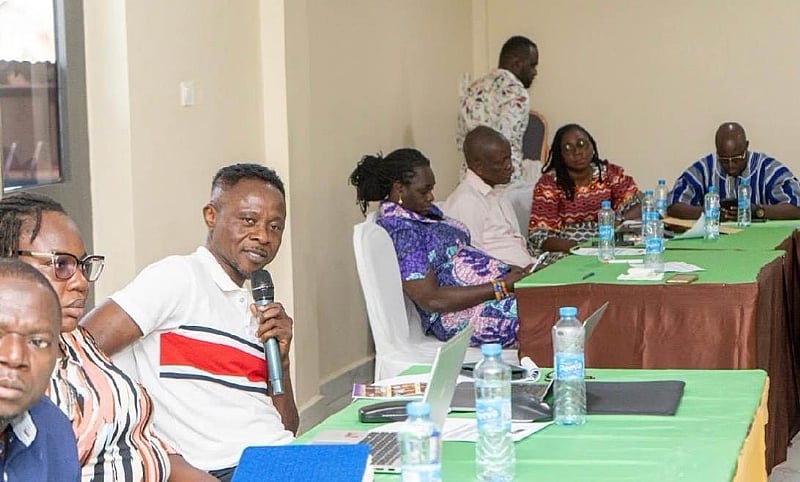
Its planned activities include bringing dam-management representatives, members of the Joint Transboundary Committee and other stakeholders together to discuss research findings, policy implications and possible improvements to existing procedures.
This provides an opportunity to strengthen information sharing, improve coordination and examine whether dam-release planning, local flood forecasting and community preparedness can work together more effectively.
The challenge is to ensure that scientific evidence becomes part of the decisions made by institutions responsible for water management and disaster prevention.
Research reports, workshops and meetings are valuable, but their ultimate public benefit depends on what happens after the discussions end.
Governments must consider the evidence, establish clear responsibilities, allocate resources and communicate the measures they intend to implement.
The political question: when will research become action?
 The Government of Ghana faces a continuing responsibility to protect citizens from avoidable harm, improve disaster preparedness and work with Burkina Faso on the management of shared water resources.
President John Dramani Mahama's administration, relevant ministries, the Water Resources Commission, the National Disaster Management Organisation, local authorities and, indeed, all of us have roles to play.
The immediate questions are practical: How will research findings inform national and district-level planning? What improvements are needed in early-warning communication? How will vulnerable farmers be supported before and after floods? And what mechanisms will ensure that commitments made between the two countries translate into measurable progress?
These questions should be directed to the responsible institutions, which must be given the opportunity to explain their current actions and plans for the future.
The researchers, for their part, have an opportunity to present evidence that can inform those decisions. Their work could help identify the causes of vulnerability, assess future climate risks and develop interventions that are better suited to the needs of affected communities.
But no research team can independently deliver a lasting solution. Effective implementation will require sustained political commitment, cross-border cooperation, community participation and the resources to turn recommendations into practical measures.
A chance to break the cycle
The AV-STEC project offers a potentially important bridge between scientific research and the everyday struggles of northern Ghana's farming communities.
Its long-term ambition is to improve climate resilience, strengthen local livelihoods, support inclusive adaptation and help generate evidence for better policy decisions.
Whether these ambitions translate into lasting change will depend on implementation, monitoring and the willingness of relevant institutions to act on what the evidence reveals.
For the farmer watching floodwater approach a field planted month earlier, the debate is not abstract. It is about whether the family will have food, whether the children can return to school, whether the household can rebuild and whether next year's farming season will bring hope rather than fear.
The communities along the White Volta deserve more than another cycle of warnings, destruction, emergency relief and recovery.
They deserve effective preparedness, reliable information, meaningful cross-border cooperation and practical long-term measures that protect both people and the ecosystems on which their livelihoods depend.
The research has established a direction for action. The next challenge is to turn knowledge into decisions, decisions into implementation and implementation into measurable improvements in people's lives.
The water may cross borders, but responsibility cannot stop at the riverbank.
For northern Ghana's farmers and families, the ultimate measure of success will not be the number of meetings held or reports published. It will be whether fewer, if any, homes are lost, fewer farms are destroyed, fewer families are displaced and more communities can face the next rainy season with safety, dignity and hope.


 Upper Dixcove: Dumsor is killing our business – Chief Fisherman
 UTAG-UG threatens strike over delayed 2026 book and research allowance from Octo...
 South Africa protests: Ghanaians warned to limit travel in Johannesburg and Durb...
 UN cautions against forced tenant evictions without prior consultation
 UN advises Ghana to strengthen Rent Control Department with requisite logistics
 ECG announces three-day power outages in parts of Accra from Monday
 Ghana’s banking assets rise to GH¢500.2billion
 'In the history of Ghana when has such quantum of Common Fund monies released to...
 Mahama orders improvement of key roads in regional capitals ahead of Ghana’s 70t...
 NDC orders aspirants to remove oversized campaign posters within five days


