




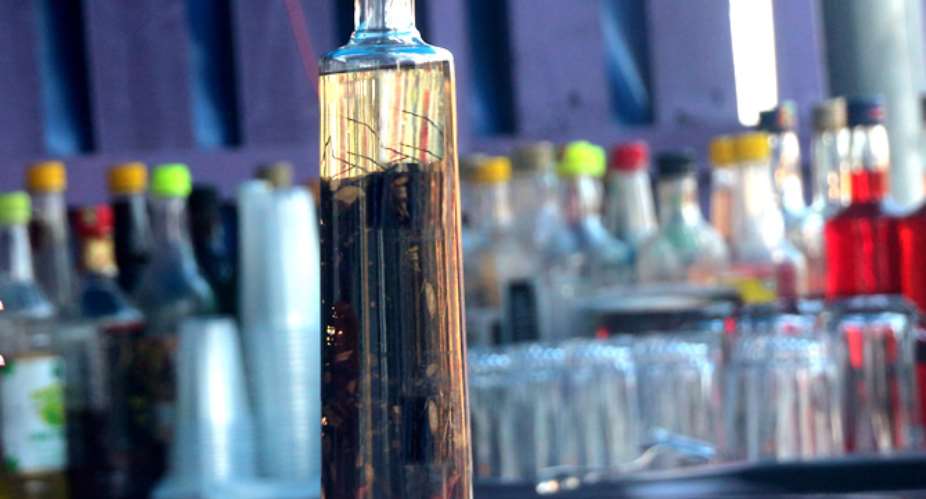
Behind the colorful bottles and persuasive marketing promises lining Ghana's markets and bus stations lurks a public health crisis that quietly claims victims every day. Unlicensed herbal preparations that are unregulated, untested, and often deliberately adulterated are poisoning unsuspecting Ghanaians who seek affordable remedies for common ailments and chronic diseases.
The Food and Drugs Authority (FDA) has intensified warnings about these dangerous products following a dramatic increase in adverse health reports. Laboratory analysis reveals that many unlicensed herbal preparations contain prescription-only ingredients in unknown quantities, harmful chemical substances, and dangerous adulterants that transform what consumers believe are natural remedies into toxic compounds capable of causing organ failure, hormonal disruption, and even death.
A Market Without Guardrails
Ghana's herbal medicine industry has exploded in recent years as cost-conscious citizens seek alternatives to expensive pharmaceutical treatments. This explosive growth, however, has occurred largely without regulatory oversight, creating a vacuum exploited by unscrupulous manufacturers and street vendors. These unlicensed practitioners operate with impunity, packaging everything from turpentine to prescription steroids as herbal cures and distributing them through informal channels where no quality control exists.
The Health Crisis Unfolding
Health professionals report an alarming surge in patients presenting with complications traceable to unlicensed herbal consumption. The effects range from immediate and severe to insidious and long-term. Acute reactions include headaches, stomach pains, vomiting, diarrhea, and dizziness that can incapacitate users for days. More troubling are reports of psychological effects: depression, anxiety, restlessness, and sleep disorders that suggest neurological damage.
Long-term exposure presents even graver dangers. Recent toxicological research conducted in Kumasi identified pesticides and heavy metals in herbal products circulating in Ghana's markets, contaminants linked to cancer development, liver damage, kidney failure, and reproductive disorders. Children exposed to these products face particularly severe risks due to their developing bodies' inability to process toxic compounds effectively.
One shocking case involved a herbalist who confessed to manufacturing alleged HIV/AIDS treatments that were nothing but Tampico drink laced with streptomycin, gentamicin, and sulphathiozole which are prescription antibiotics administered in unknown quantities. Patients consuming these concoctions received no real HIV treatment while ingesting dangerous drug combinations that could trigger fatal allergic reactions or organ damage.
Systemic Vulnerabilities
The unlicensed herbal trade thrives on multiple systemic failures. Limited resources prevent the FDA from adequately monitoring markets and stopping peddlers who operate with impunity in commercial vehicles and public spaces. Consumer ignorance about the dangers fuels demand. Many Ghanaians remain unaware that these products contain prescription medications. Poverty drives purchasing decisions, as unlicensed preparations cost a fraction of pharmaceuticals.
Urgent Action Required
The FDA has strengthened enforcement efforts, coordinating with police to arrest peddlers and seizing counterfeit products. The Authority has launched public education campaigns and urged citizens to purchase medicines exclusively from licensed pharmacies.
However, enforcement alone cannot solve this crisis. Ghana needs expanded FDA resources, mandatory reporting systems for adverse effects, and integration of legitimate herbal practitioners into regulated frameworks. Public education must reach rural communities where unlicensed remedies dominate healthcare.
Citizens must understand a fundamental truth: the cheapest remedy becomes prohibitively expensive when it destroys your organs or sends you to intensive care. Until Ghana prioritizes herbal product regulation and invests in consumer protection, this silent epidemic will continue claiming victims among the nation's most vulnerable populations.
Osei Boaitey | PhD. OD. MPH. MCHES | [email protected]
Optometrist & Master Certified Health Promotion Specialist (USA)
For information on safe herbal products and licensed practitioners, contact the Food and Drugs Authority (FDA) at www.fda.gov.gh or call the FDA Hotline. Report suspected counterfeit medicines to the nearest pharmacy, health facility, or police station.


 Chairman Wontumi’s lawyer says plea-bargaining talks with state ended over unfav...
 University Administrators demands 114% market premium before calling off strike
 We need your support in fight against illegal mining - Mahama appeals to chiefs
 Haruna Iddrisu orders suspension of Obuasi SHTS headmaster over alleged sexual m...
 World Cup visas: Hold TRIBE Culture Fest liable for defrauding applicants – Kofi...
 Police arrest farmer seen in viral video assaulting wife in Agona Nkwanta
 NDC appoints Julius Kwame Anthony as Deputy Communications Director
 French counter-terrorism body to investigate 14-year-old behind school shooting
 Suame MP John Darko granted bail after appearing before EOCO over GH¢27m SIC Sav...
 Ghana among stronger-performing economies in sub-Saharan Africa — IMF


