




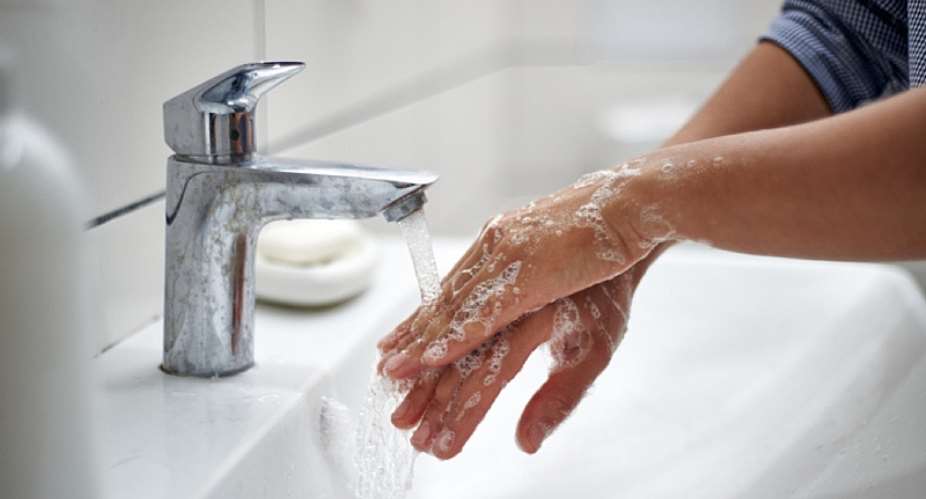
What really happens when you wash your hands?
We use soap almost every day without giving much thought to what it actually does. A little soap, some water, a few seconds of rubbing, and our hands feel clean. But what is happening at the microscopic level? How can something as simple as soap help protect us from bacteria, viruses and other harmful microorganisms?
The answer lies in chemistry, microbiology and a process called surfactant action.
Your hands are not as clean as they look, even when hands appear clean, they can carry microorganisms. Bacteria, viruses and other germs can be picked up from objects, surfaces, food, other people and even our own bodies. When contaminated hands touch the eyes, nose or mouth, microorganisms can enter the body and potentially cause infection.
This is why hand hygiene is an important part of preventing the spread of infectious diseases. The Centers for Disease Control and Prevention (CDC) describes hand washing with soap and water as one of the most effective ways to remove germs and prevent their spread.
But if water can rinse our hands, why do we need soap?
Why water alone is not enough.
Water is very good at washing away some substances, but it does not mix well with oils and grease. Many microorganisms can become attached to the oily substances and dirt present on our skin.
Soap solves this problem because its molecules have a special structure.
A typical soap molecule has two different ends, a hydrophilic head, which interacts with water, and a hydrophobic tail, which is attracted to oils and fats. This dual nature allows soap to interact with substances that ordinary water cannot easily remove.
When soap is mixed with water and rubbed between the hands, the molecules arrange themselves into structures called micelles. The hydrophobic portions associate with oils and other substances, while the hydrophilic portions remain in contact with water. This helps suspend dirt, oils and microorganisms so that they can be removed when the hands are rinsed.
In simple terms, soap acts like a chemical bridge between water and substances that water normally struggles to remove.
So, does soap actually kill germs?
This is where the title can be slightly misleading.
Soap does not simply kill every microorganism on your hands. One of its most important functions is removal.
When you rub your hands with soap, the combination of surfactant action and friction helps loosen microorganisms, dirt and oils from the skin. The soap suspends these materials, and running water carries them away down the drain.
However, soap can also inactivate or disrupt certain microorganisms.
This is particularly important for many viruses surrounded by a lipid membrane, known as an envelope. The hydrophobic components of soap can interact with this lipid layer and disrupt its structure. Once the envelope is damaged, the virus can lose its ability to infect cells. Research on soap and enveloped viruses has demonstrated both physical removal and structural disruption as important mechanisms of hand washing.
Therefore, a more accurate way to describe what soap does is, soap helps remove germs from the hands and can also disrupt or inactivate some microorganisms.
The importance of rubbing.
Soap does not work by simply touching your hands for a second.
Rubbing your hands creates friction, which helps loosen microorganisms and dirt from the skin. It also spreads the soap across areas that may otherwise be missed, including between the fingers, the backs of the hands and underneath the fingernails.
The CDC recommends scrubbing with soap for at least 20 seconds before rinsing. Evidence indicates that washing for around 15–30 seconds removes more microorganisms than shorter washing times.
This means that the familiar advice to spend enough time washing your hands is not just a rule designed to make people wash more carefully. There is a scientific reason behind it.
Why rinsing matters.
After soap has loosened and suspended dirt and microorganisms, they still need to leave the hands.
That is where rinsing comes in.
Running water carries away the soap, dirt, oils and microorganisms that have been lifted from the skin. This is why simply applying soap without properly rubbing and rinsing the hands is not an effective substitute for hand washing.
Interestingly, hot water is not required. Both warm and cold water can be effective for removing germs when proper hand washing is performed. Water that is hot enough to kill microorganisms would also be hot enough to cause skin injury, so ordinary hand washing does not depend on high temperatures.
Five simple steps backed by science.
Effective hand washing can be remembered as five basic steps:
- Wet : Wet your hands with clean, running water.
- Lather : Apply soap and rub your hands together to create a lather.
- Scrub : Rub all parts of the hands, including the palms, backs, between the fingers and under the nails, for at least 20 seconds.
- Rinse : Rinse thoroughly under clean, running water.
- Dry : Dry your hands using a clean towel or an air dryer.
These simple actions transform an ordinary bar or bottle of soap into an important tool for infection prevention.
Soap and the prevention of disease
The importance of hand washing extends beyond simply having clean-looking hands.
Microorganisms on unwashed hands can be transferred to food, surfaces and other people. They can also enter the body when contaminated hands touch the eyes, nose or mouth. Consequently, effective hand washing can reduce the transmission of respiratory and gastrointestinal infections.
Hand hygiene is also relevant to antimicrobial resistance. Preventing infections means fewer infections that may require antibiotics. Reducing unnecessary infections and transmission can therefore contribute to efforts to reduce the spread and impact of antimicrobial-resistant organisms.
What about antibacterial soap?
The word “antibacterial” can make a product sound more powerful, but special antibacterial soap is not necessarily required for everyday hand washing.
According to the CDC, plain soap and water are effective for removing germs from the hands, and studies have not demonstrated an additional health benefit for consumers from antibacterial ingredients compared with plain soap and water.
The important factor is therefore not having the most expensive or highly advertised soap. It is using soap correctly and washing the hands thoroughly.
A small action with a big scientific explanation.
Hand washing may seem like an ordinary daily routine, but behind those few seconds at the sink is an interaction between chemistry, physics and microbiology.
Soap molecules interact with oils and microorganisms. Friction helps loosen them from the skin. Micelles help suspend them in water. Rinsing then carries them away. For some microorganisms, particularly enveloped viruses, soap can additionally disrupt structures that are essential for infectivity.
So the next time you wash your hands, remember that you are not simply making your hands “feel clean.”
You are using chemistry to remove microorganisms, physics to loosen them from your skin, and running water to carry them away.
That is the science of soap, and it is one of the simplest forms of infection prevention available to us every day.

 'If God will judge people we call holy, what about us?' — Evangelist asks after ...
 Nigerian evangelist shares list of top Nigerian pastors he saw in hell weeping f...
 How suspected phone thief swallowed five SIM cards during arrest on Kasoa-Bawjia...
 Two arrested over alleged possession and trafficking of suspected narcotics at K...
 Agric Minister urges Finance Minister to reverse Ghana's withdrawal from food re...
 S&P holds Ghana at B-/B as fiscal risks persist
 Mahama exposes 'humiliating' requirements in trashed US Health Compact
 NSA releases PIN codes for private candidates, defaulters and foreign-trained gr...
 Toyota Hiace crashes Toyota Voxy from behind at Tsibu-Bethel Junction
 'It has been the old story of promises upon promises; we won’t return until sala...


