




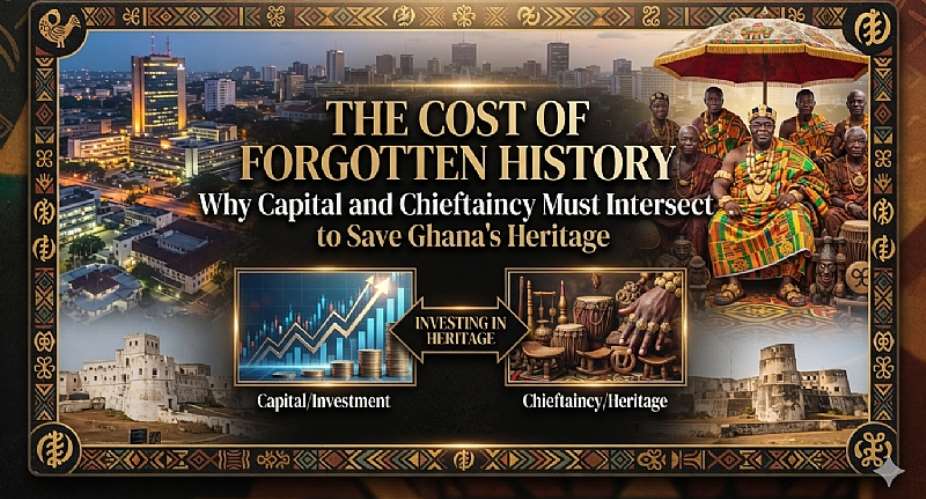
History is rarely erased by a single catastrophic event; more often, it dissolves quietly through incremental neglect. Nestled in the coastal savanna at the foot of the Akwapim Hills in Sesemi, near Abokobi, lies the Frederiksgave Plantation and Heritage Site. Built in the 19th century by Danish colonizers as a royal experimental villa and plantation, the site stands today as a critical material receipt of West Africa’s colonial architecture, cash-crop experimentation, and the systemic exploitation of enslaved labor. Yet, a recent public appeal by the traditional Head of the Sesemi community reveals a sobering truth: our national memory is structurally underfunded. The conversation surrounding cultural preservation in Ghana has arrived at a critical junction. We can no longer rely on sporadic state budgets to protect monuments facing severe environmental degradation, structural decay, and suburban encroachment. To transform Frederiksgave from a deteriorating relic into a world-class center of historical consciousness, Ghana must pioneer a new preservation matrix—one powered by deliberate corporate capital and directed by the immense moral authority of our traditional leaders.
The Historical Context: The Danish-Ghanaian Colonial Timeline (1658–1850)
To ground the architectural and cultural discussion of Frederiksgave in its true historical reality, it is essential to trace the specific milestones of the Danish colonial footprint on the Gold Coast, which directly culminated in the establishment of the Sesemi site:
- 1658 – The Danish Footprint Begins: Major Heinrich Carlof captures the Swedish lodge at Osu on behalf of the Danish Africa Company, laying the foundations for Denmark’s permanent military and commercial presence on the Gold Coast.
- 1661 – Construction of Christiansborg Castle: The Danes purchase land from the Chief of Osu for 3,200 Imperial Taler, constructing Fort Christiansborg (Osu Castle), which serves as the administrative headquarters of the Danish Gold Coast.
- 1792 – The Transatlantic Abolition Decree: King Christian VII of Denmark issues a royal decree outlawing the participation of Danish subjects in the transatlantic slave trade, effective from January 1, 1803, making Denmark the first European power to pass such legislation.
- Early 1800s – The Shift to Inland Agriculture: Facing economic deficits from the loss of the human slave trade, the Danish Crown pivots toward the interior plains of the Akwapim foothills, seeking to establish experimental tropical cash-crop plantations to supply European markets.
- 1832 – The Founding of Frederiksgave: Danish Governor Peter von Scholten establishes the Frederiksgave Plantation in Sesemi. Named in honor of King Frederik VI, the stone villa serves as a royal experimental agricultural hub for coffee, tobacco, and indigo, as well as a sanatorium for ailing Danish officials fleeing coastal malaria.
- 1850 – The Danish Departure: Following structural agricultural failures, local resistance, and rising administrative costs, Denmark sells all its Gold Coast possessions—including Christiansborg Castle and the Frederiksgave ruins—to the British Empire for £10,000, ending nearly two centuries of Danish presence.
Structural Realities and Institutional Gaps
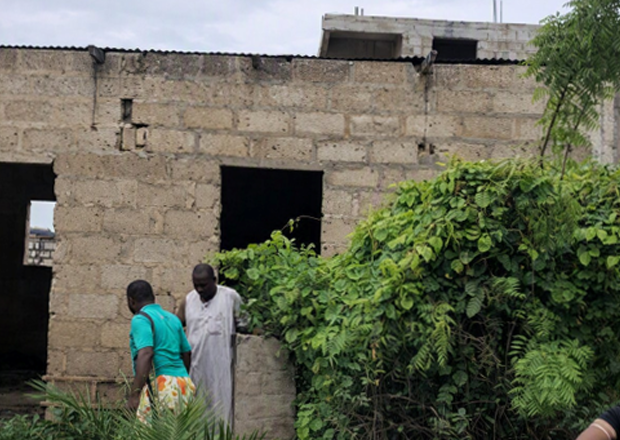
- The Caretakers' Plight: The Frederiksgave Museum and Common Heritage Site operates without robust security, permanent tour guides, or regular structural maintenance, accelerating its material decline.
- Encroachment Vulnerability: Lacking protective boundary walls or official zoning enforcement, the historic plantation perimeter remains highly vulnerable to illegal land sales, unauthorized developers, and physical degradation.
- The Missing Link in ESG: Despite corporate Ghana's massive annual spend on social interventions, historical conservation is entirely absent from major corporate Environmental, Social, and Governance (ESG) frameworks.
- Underutilized Heritage Corridors: While the state successfully captures international attention for flagship urban assets like Cape Coast or Elmina Castle, secondary rural enclaves like Sesemi are routinely omitted from national tourism itineraries.
Corporate Capital as a Catalyst for Preservation
- ESG and Cultural Equity: Multinational corporations, telecom giants, and financial institutions operating in Ghana must formally integrate historical preservation into their corporate social responsibility (CSR) programs. Funding a site like Frederiksgave should be viewed as an investment in national cultural equity, offering tax-deductible branding opportunities while directly preserving ancestral knowledge.
- Commercializing the Commons: Corporations can adopt specific wings of the museum—funding digital interactive archives, building structural boundary walls, or sponsoring permanent curation positions—in exchange for naming rights to educational spaces or exclusive corporate retreat access.
- Bilateral Funding Frameworks: Mirroring international cultural agreements signed to revitalize Accra's historic enclaves, corporate entities can co-invest alongside international development partners like the Danish Embassy to leverage matching grants aimed at sustainable green-tourism infrastructure.
- Sponsoring the Educational Pipeline: By financing corporate-endorsed historical excursions, private companies can systematically sponsor school transit systems, ensuring thousands of young Ghanaians visit Sesemi annually to anchor their understanding of national heritage.
Mobilizing the Power of Traditional Authorities
- Chieftaincy as a Legal Shield: Traditional authorities must step forward as the primary defenders of the land, using their customary custody to enforce strict buffers against structural encroachment and land guards around historic enclaves.
- Custodial Public-Private Partnerships: Regional Houses of Chiefs should establish specialized heritage trusts capable of entering directly into joint ventures with corporate developers, guaranteeing that local communities retain direct equity from any commercialized tourism revenue.
- Cultural Festivals as Tourism Incubators: Local traditional councils should intentionally align ancestral festivals and community durbars with the heritage site's calendar, transforming regional celebrations into high-visibility platforms for domestic tourism.
- Customary Policy Integration: Traditional rulers must leverage their institutional leverage to compel municipal assemblies to prioritize rural access roads, localized signage, and essential utility extensions to heritage sites within their traditional areas.
Strategic Roadmap for National Government and Citizens
- GTA Integration: The Ghana Tourism Authority (GTA) must formally include Frederiksgave in all official state tourism maps, promotional apps, and national holiday itineraries.
- Curriculum Alignment: The Ministry of Education should actively partner with local heritage curators to make school field trips to Sesemi a standardized part of the national history curriculum.
- Digital Advocacy: Everyday Ghanaians should use their personal social media platforms to share pictures, videos, and geo-tagged reviews of the site using targeted tags like #VisitGhana and #PreserveOurHistory.
- Diaspora Engagement: Citizens must actively recommend the Frederiksgave site to relatives, friends, and returnees visiting Ghana for historical pilgrimages or festive seasons to stimulate the local economy within the Abokobi-Sesemi area.
The slow decay of the Frederiksgave Plantation is not an isolated administrative failure; it is a profound failure of collective imagination. When we leave our historic structures to be reclaimed by the forest or consumed by unchecked real estate development, we silently surrender our history to erasure. True national development cannot occur in a cultural vacuum; a nation that subcontracts its memory to the passage of time will eventually lose its identity. The passionate appeal from the traditional leadership of Sesemi is an urgent invitation for corporate boardrooms and royal stools to forge an unprecedented coalition for cultural preservation. By matching the agile financial power of corporate sponsorship with the unbreakable, ancestral custody of our traditional rulers, Ghana can establish a self-sustaining blueprint for heritage management. Saving Frederiksgave is more than a nostalgic exercise in historical romanticism—it is an economic, moral, and historical imperative that ensures future generations of Ghanaians remain firmly rooted in their own stories.
✍️ Submitted by:
Retired Senior Citizen
For and on behalf of all Senior Citizens of the Republic of Ghana 🇬🇭
Teshie-Nungua
[email protected]


 Akufo-Addo projects in Oti Region abandoned while our people continue to suffer ...
 27-year-old spiritualist arrested over alleged attempted abduction of 11-year-ol...
 Russia doubles annual scholarship allocation for Ghanaian students to 240
 Police officer reveals how his colleague officers are doing arms deals with crim...
 Chief Justice Baffoe-Bonnie was part of grand scheme to remove Torkornoo — Osahe...
 Gomoa West MP under fire for shoving off rival Captain Smart at 2026 Akwanbɔ Fes...
 Sycophants in NDC gov't seeking loopholes for Mahama's third term — Kwadwo Poku
 Police debunk viral flyer claiming AirPods, earpiece use while driving is illega...
 Tanker drivers suspend three-day strike after talks with BOSTenergies
 GNFS rescues trapped man, salvages GH¢50,000 in Suhum road crash

