




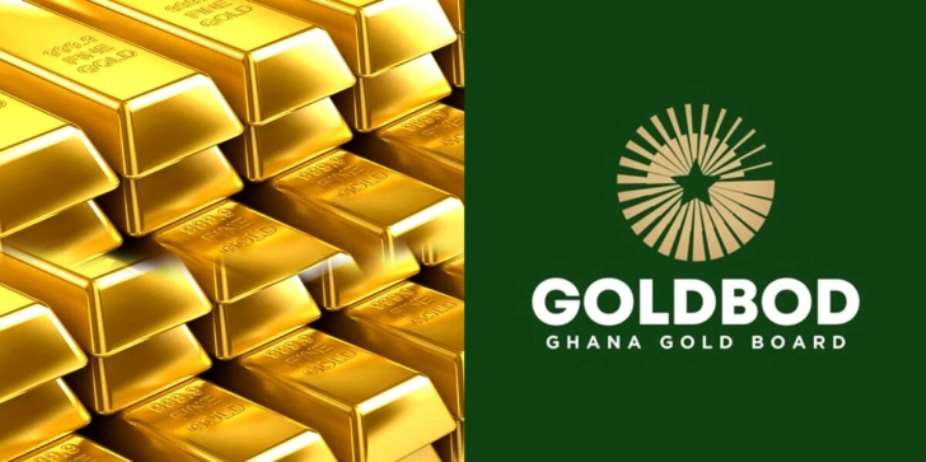
The International Monetary Fund (IMF) has welcomed Ghana's decision to transfer the Domestic Gold Purchase Programme (DGPP) from the Bank of Ghana (BoG) to the Ghana Gold Board (GoldBod), describing the move as an important step toward improving accountability and reducing financial risks associated with the initiative.
In its latest Article IV Consultation and Programme Review report on Ghana, the IMF said the reform would strengthen oversight of the country's domestic gold purchases while limiting the financial exposure of the central bank.
The Fund noted that domestic gold purchases have become increasingly important in boosting Ghana's international reserves, particularly amid strong global gold prices. However, it stressed that the programme must be managed transparently and prudently to ensure its long-term sustainability.
According to the report, transferring responsibility for the programme to GoldBod is expected to enhance governance, improve accountability and reduce risks previously borne by the Bank of Ghana.
Despite acknowledging the benefits of the gold sector, the IMF cautioned that Ghana's growing dependence on gold exports presents significant economic risks.
The report indicated that gold accounted for more than 65 per cent of Ghana's total merchandise exports in 2025 and is expected to play an even larger role in 2026. While robust gold prices have strengthened the country's external position, supported economic growth and helped rebuild foreign exchange reserves, the IMF warned that a sharp decline in global gold prices could quickly reverse these gains.
It explained that lower gold prices would reduce export earnings, weaken foreign exchange inflows and place additional pressure on public finances.
The IMF further revealed that stress tests conducted under Ghana's Debt Sustainability Analysis identified commodity price shocks—particularly those affecting gold—as among the country's most significant threats to macroeconomic stability and debt sustainability.
While commending Ghana for rebuilding its international reserves, the Fund urged authorities not to rely excessively on favourable commodity prices to sustain economic performance.
The report also highlighted persistent challenges within the mining sector, including illegal mining, gold smuggling and environmental degradation, calling for stronger regulatory oversight and responsible sourcing measures to safeguard the industry's long-term benefits.
To reduce vulnerability to commodity price fluctuations, the IMF encouraged Ghana to accelerate efforts to diversify its economy, strengthen domestic revenue mobilisation and maintain fiscal discipline.
Despite these concerns, the Fund acknowledged that Ghana's economy recorded strong performance in 2025, driven by improved macroeconomic stability, declining inflation, stronger economic growth and progress in debt restructuring.
The IMF concluded that sustaining these gains would require continued structural reforms, prudent economic management and deliberate efforts to reduce the country's dependence on a narrow range of export commodities.

 Houthi rebels kill dozens of Saudi-backed Yemeni government forces
 “Democracy Under Attack” demo: ‘We will seek God’s direction, not vengeance’ — H...
 ‘I have not seen anything from EOCO’ - Miracles Aboagye reacts to his ‘frozen as...
 Democracy Under Attack demo: We must end the 'you do me, I do you' politics — Af...
 'Democracy under attack': NPP presents petitions to Supreme Court, Presidency
 “Democracy Under Attack” demo: Nominating presidential staffer to receive our pe...
 'Don't underestimate NPP's comeback power' — Anthony Karbo tells NDC
 Bono REGSEC seizes galamsey equipment
 'We remain grateful for the enduring legacies they left behind' — Families of he...
 ‘The street is for Bawumia now’ - Aggrieved Ghanaians join NPP 'Democracy Under ...

