




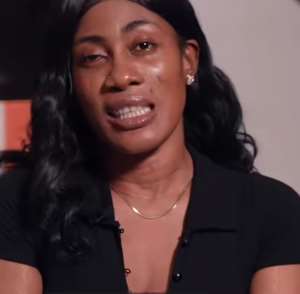
Sarah Etokhana knows what drug addiction can take from a person before it takes their life. Speaking to BBC News Pidgin, she shared how her struggle with addiction cost her dearly, in relationships, opportunities and, at points, nearly her own life, before she found her way back. Her story has since resonated with many young Nigerians navigating similar battles, turning a private ordeal into a public message of hope.
A crisis playing out across Nigeria
Etokhana's account sits within a much larger national picture. Drug addiction continues to derail the futures of young Nigerians, straining families and, in the most severe cases, ending lives too early. Public health advocates and addiction specialists point to a consistent set of factors, among them peer pressure, unemployment, mental health struggles and the easy availability of substances, that draw young people toward drug use in the first place, and to a similarly consistent set of interventions that offer a way out.
What experts say helps
Health professionals who work with recovering addicts stress that early intervention makes the biggest difference: the sooner a family or community notices warning signs and acts, the better the odds of recovery. Family support during treatment and afterward matters just as much, since isolation and stigma are often what push people back toward substance use rather than away from it. Structured treatment, whether through counseling, rehabilitation programmes or medical support, gives people the tools to manage triggers and rebuild their lives once the acute crisis has passed.
Why her story matters
Etokhana's willingness to speak publicly about her experience does something that statistics alone cannot: it puts a human face on a crisis that families across Nigeria often deal with in silence, out of shame or fear of judgment. Her recovery is being read by many young people as proof that addiction, however severe, is not necessarily a life sentence, and that reaching out for help, whether from family, a treatment programme or a support community, is a viable path forward rather than a sign of weakness.
This is a sensitive topic. If you or someone you know is struggling with substance use, reaching out to a trusted family member, a doctor, or a treatment centre is a reasonable first step.
Mustapha Bature Sallama.
Medical/ Science Communicator,
Private Investigator, Criminal investigation and Intelligence Analysis.
International Conflict Management and Peace Building.USIP
[email protected]
+233-555-275-880
Reference
BBC News Pidgin Sarah Etokhana's story of addiction and recovery, as reported via BBC News Pidgin's social platforms (#bbcnewspidgin).


 Tiktok activist ‘mama one’ granted Gh¢50,000 bail over alleged offensive remarks...
 "Arrest contractors of Achimota–Ofankor road over potholes" – Kofi Gharbin urges...
 'I am ready to lead Ashanti region NPP with less talk and more action' — COKA
 'NDC said they did not need too many loans, but are now borrowing heavily' — Osa...
 Chairman Wontumi’s 20-year sentence is a clear case of selective justice — Adoma...
 Ghana’s public debt stock hits GH¢720.8bn, equivalent to 45.1% of GDP — BoG
 Ghana to replace periodic education surveys with real-time data system
 Bank of Ghana keeps policy rate unchanged at 14%
 Wontumi's 20-year sentence raises concerns about proportionality and fairness — ...
 Describing me as the worst-performing MP is demotivating and dangerous — Stephen...

