




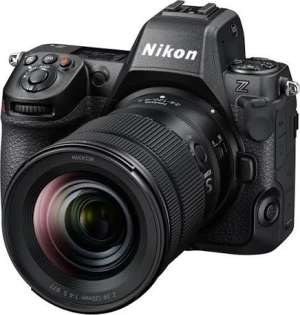
Attending an event is not consent. Appearing in footage is not endorsement. And a notice on a wall is not a lawful basis for processing personal data.
On 26 May 2026, the Lagos High Court delivered a decision that should make every event organiser, brand manager and content creator in Ghana sit up. In Larry Nwabueze v. Nigerian Breweries Plc, the court held that an individual's image is personal data under Nigeria's Data Protection Act, 2023, and that using it in commercial advertising without the person's knowledge or consent violated the constitutional right to privacy. The remedies were not symbolic: an order for immediate removal of the image from all advertising platforms, a perpetual injunction against further use, ₦10 million in damages and ₦500,000 in costs.
The judgment is Nigerian, but the principles travel across the border with ease — because Ghana's legal architecture is strikingly similar.
The Ghanaian position
Under Ghana's Data Protection Act, 2012 (Act 843), personal data is information relating to an identified or identifiable individual. A photograph or video recording of a recognisable person plainly qualifies. Anyone who determines how and why that image is captured, stored or published — the event organiser commissioning the photographer, the brand running the campaign, the agency managing the socials — is a data controller, with the full weight of the Act's obligations resting on them.
Those obligations are demanding. Processing must be lawful and grounded in a recognised basis, ordinarily the consent of the data subject. Data must be collected for a purpose that is specific, explicitly defined and lawful, and further use must be compatible with that purpose. The data subject participation principle gives individuals the right to know what is held about them, to object to processing — including for direct marketing — and to demand correction or deletion. Sitting above all of this is Article 18(2) of the 1992 Constitution, which guarantees the privacy of the individual. A Ghanaian court confronted with facts like Nwabueze would have ample material to reach the same destination.
The implied consent trap
Here is where many Ghanaian event organisers are exposed. The standard playbook — a banner at the entrance reading "photography and videography in progress; entry constitutes consent," or a line buried in ticket terms — is treated as a legal shield. It is nothing of the sort.
Consent under Act 843 must be meaningfully given, and for anything beyond incidental crowd coverage it should be specific, informed and demonstrable. A patron who buys a ticket to a concert has consented to attend a concert. They have not consented to become the face of a billboard, the thumbnail of a promotional video, or the star of a brand's Instagram campaign. Attendance is not authorisation. Silence is not signature. And a wall notice cannot manufacture a lawful basis for commercial exploitation of someone's likeness — precisely the case the Lagos High Court refused to indulge.
The distinction that matters is between coverage and commercialisation. Wide shots documenting that an event occurred sit at the low-risk end. Isolating an identifiable individual and deploying their image to sell a product, promote a future event or endorse a sponsor sits at the high-risk end — and demands explicit, recorded consent, ideally through a signed release naming the permitted uses, platforms and duration.
What organisers should do now
Practical compliance is not complicated, but it must be deliberate. Register with the Data Protection Commission as a data controller and renew as required. Build consent into accreditation and registration flows rather than walls — with a genuine opt-out, such as no-photography wristbands or zones. Brief photographers and media teams in writing on what may be captured and how it may be used. Obtain signed image releases before any attendee's likeness appears in advertising. Honour objection and takedown requests promptly, because a data subject who suffers damage or distress from a contravention of Act 843 is entitled to compensation.
The Nwabueze award converts to a sum no Ghanaian marketing budget would shrug off — before counting the reputational cost of litigating against your own patron.
The lesson is simple. Marketing objectives do not displace privacy rights. The most valuable asset at your event is the trust of the people in the room; treat their faces with the same care as their payment details.


 Abronye loses again as Court of Appeal dismisses bid to halt Samson Anyenini’s d...
 Over 30 women feared trapped in prostitution in Savannah as GIS arrests traffick...
 Govt pays GH¢24.8bn to statutory funds since January — Ato Forson
 Seven missing Axim fishing canoe crew located in Togo’s waters — Western Regiona...
 Health Ministry assures Ghanaians of readiness to manage Ebola cases
 FDA shuts down Arcan Bitters factory again over illegal production in Ashanti Re...
 PAC chair praises NPA CEO Edudzi Tameklo’s performance at committee hearing
 Ghanaian jailed nine months in US for using relative’s social security number to...
 Ukraine war: I'm going to Russia to convince President Putin to ceasefire — Maha...
 'Prof. Jane Naana is Vice President of Ghana; not for women and girls' — Victori...


