




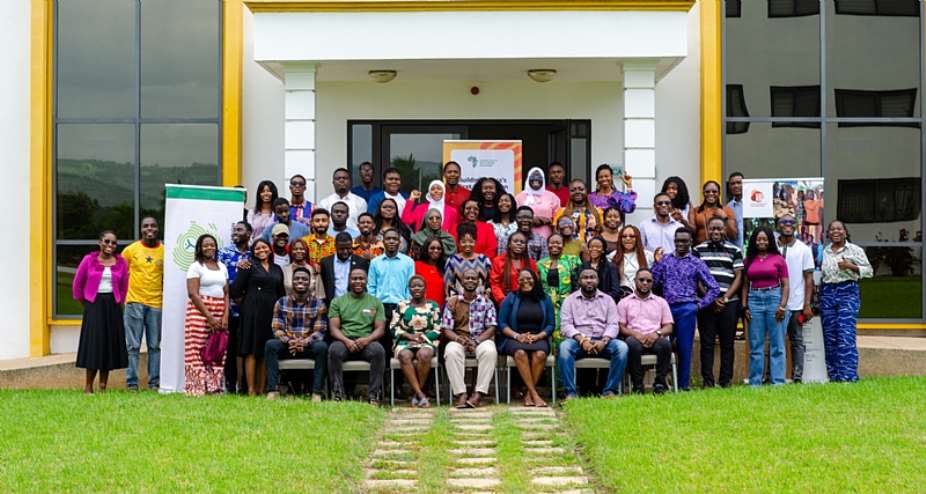
The Green Africa Youth Organization (GAYO) has trained young climate leaders from across Africa on climate negotiations as part of efforts to strengthen youth participation and influence in global climate governance processes.
The week-long African Youth Negotiators Fellowship (AYNF) Cohort 5 training, held from July 4 to July 8 in Accra, brought together young people from Ghana, Nigeria, Kenya, Ethiopia and Senegal, with others participating virtually.
The training exposed participants to key areas including climate justice, the United Nations Framework Convention on Climate Change (UNFCCC) processes, climate finance, Article 6 of the Paris Agreement, climate diplomacy, climate governance, negotiation strategies and simulation exercises.
The fellowship was led by climate experts including the Chairman of the African Group of Negotiators (AGN) and Director of Climate Vulnerability and Adaptation at the Environmental Protection Agency (EPA), Nana Dr. Antwi-Boasiako Amoah, and the Country Manager of the Climate and Development Knowledge Network (CDKN), Dr. Prince Ansah.
Speaking at the closing of the training, the Executive Director of GAYO, Mr. Richard Matey, said the fellowship was established to address the gap between youth activism on climate issues and meaningful participation in the spaces where climate decisions are negotiated.
He explained that while many young Africans are leading climate campaigns and community actions, fewer have the technical preparation required to engage effectively in formal negotiation spaces.
“The issue has never been only about access. It is about preparation,” he said, stressing that climate negotiations require understanding of technical language, procedures, political dynamics, and Africa’s priorities.
Mr. Matey said since its launch in 2022, AYNF has trained more than 350 young climate leaders from over 25 African countries, equipping them to engage in UNFCCC processes, national policy discussions and climate advocacy.
He added that the fellowship goes beyond preparing participants for international conferences such as the Conference of Parties (COP), but also aims to help young people contribute to climate action at local and national levels.
“Climate negotiations should not remain something young people only observe from outside. They must understand the systems shaping their future and contribute meaningfully,” he noted.
For Nana Dr. Antwi-Boasiako Amoah, climate negotiators play a critical role in representing national interests in international climate discussions, with decisions reached globally eventually influencing actions at the country level.
He said Africa’s youthful population makes it necessary to prepare more young people to participate in climate governance.
“The future of these discussions means we need to bring young people into the conversation as a central part of it,” he said.
He encouraged participants to continue building their knowledge, seek mentorship opportunities, and apply what they have learnt wherever they find themselves.
On his part, the CDKN Country Manager, Dr. Prince Ansah, stressed that young people must not only participate in climate discussions but must be equipped to influence decisions affecting their future.
He said the objective of the fellowship was to create pathways for young people to contribute at different levels, from local communities and national institutions to regional and global climate platforms.
Participants described the fellowship as a transformative learning experience.
Princess Kemdi Chika-Okafor from Nigeria said the practical sessions and negotiation simulations helped her better understand climate processes.
“It was very detailed and immersive. The simulations and the freedom to ask questions made it very interactive and helped build my confidence,” she said.
She added that she would apply the knowledge gained to her work addressing climate change impacts on agriculture and post-harvest losses in Nigeria through her organization, C21 Foundation.

 'Your statement never said Miracles cannot be found, hiding, declared wanted; st...
 Miracles Aboagye's bail terms 'cruel and oppressive' — Samuel Atta Akyea
 Miracles Aboagye's arrest: EOCO's statement is a 'disgrace to Ghana's democracy'...
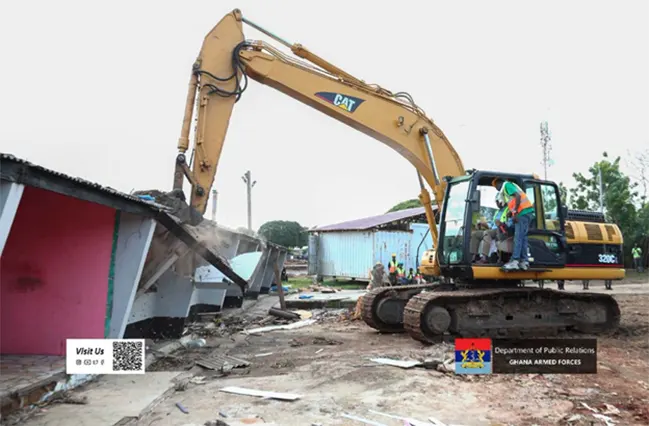 Ghana Armed Forces begins GH¢190million redevelopment of Burma Camp
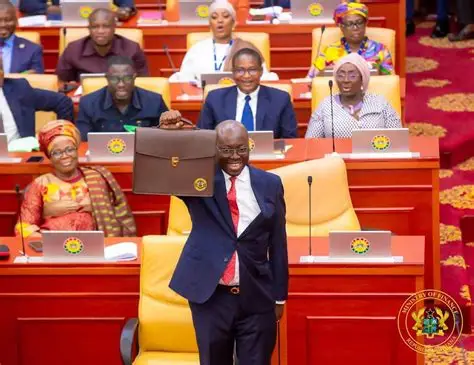 Ato Forson to present 2026 mid-year budget review next week
 Dennis Miracles Aboagye can't meet GH¢50million bail conditions — Lawyers
 GNFS recovers body of 11-year-old boy from drowning incident at Adenta Aviation
 'The elephant will never forget what you’re doing to Miracles Aboagye today' — N...
 NDC govt using 'unfounded arrests' to distract from 'terrible job' — Sylvester T...
 NPP holds constituency elections in 245 constituencies as 31 locked-up in disput...

