




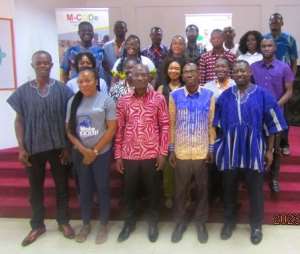
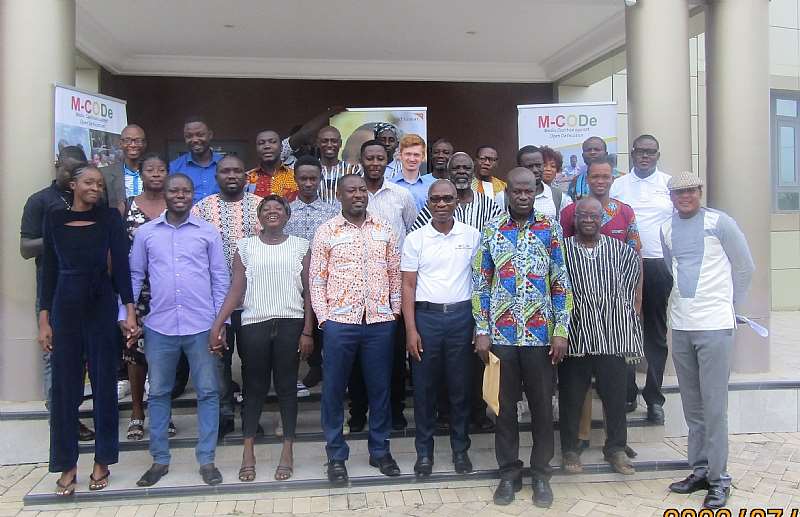
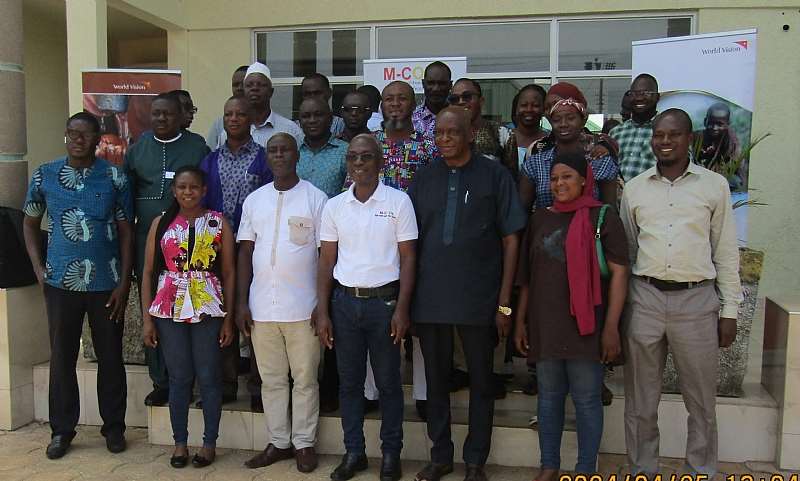
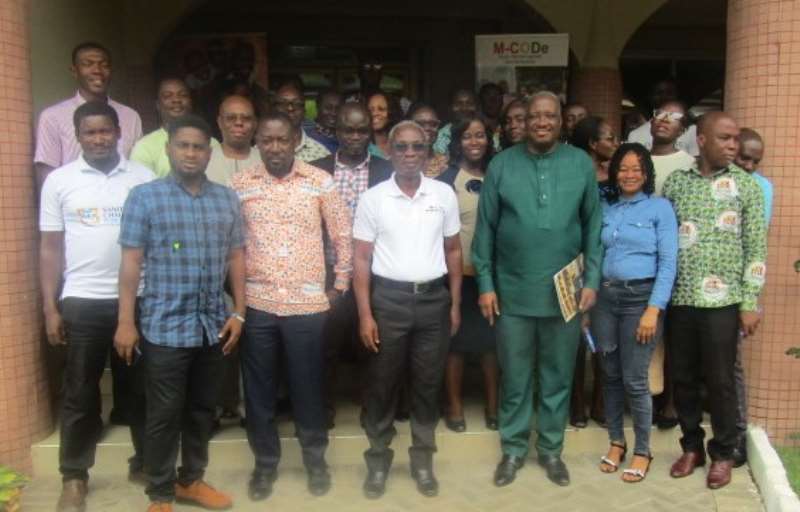
The Media Coalition Against Open Defecation (M-CODe), with support from World Vision Ghana, has launched a nationwide accountability initiative to monitor the performance of Metropolitan, Municipal and District Chief Executives (MMDCEs) in implementing the government’s directive that makes sanitation a Key Performance Indicator (KPI).
The initiative, dubbed “Institutionalizing Sanitation Performance,” forms part of the first phase of M-CODe’s revitalisation agenda aimed at strengthening public accountability and accelerating efforts to end open defecation (OD) across Ghana.
The initial phase of the exercise will cover seven regions: Central, Western, Greater Accra, Northern, Upper West, Upper East and Ahafo. The second phase will extend the programme to the remaining regions and include working visits to M-CODe’s regional branches to strengthen coordination and monitoring.
According to M-CODe National Convenor, Mr. Francis Ameyibor, the intervention seeks to position the media as an accountability bridge connecting government, traditional authorities, local assemblies and citizens, with a particular focus on improving sanitation outcomes.
The initiative follows President John Dramani Mahama’s declaration of sanitation as a Key Performance Indicator for MMDCEs, a move that shifts sanitation management from a general advocacy issue into a measurable governance responsibility.
As part of the programme, M-CODe, in partnership with World Vision Ghana, has introduced a Media Accountability Platform to provide independent, evidence-based monitoring of MMDCEs’ sanitation commitments and performance, especially in the fight against open defecation.
Mr. Ameyibor said the coalition would closely examine issues such as sanitation budgets, local by-laws and implementation efforts by district authorities.
“We are calling on all MMDCEs to integrate sanitation KPIs into public reporting, ring-fence resources for toilets, and enforce sanitation by-laws. Performance must be visible, and citizens must see the change,” he stated.
He explained that with sanitation now recognised as a KPI, the focus must move beyond awareness creation towards measurable accountability.
According to him, M-CODe’s role is to ensure that budgets allocated for sanitation are effectively utilised, by-laws are implemented and traditional and local leaders actively contribute to improving sanitation conditions within their communities.
Mr. Ameyibor said the evidence gathered from the seven regions would form the foundation for a national sanitation accountability system that allows citizens to track progress and assess leadership performance.
He appealed to government agencies, civil society organisations, development partners, media houses, traditional and religious leaders, environmental service providers and the public to support the initiative with resources and logistics to ensure its success.
He also urged MMDCEs to cooperate with M-CODe officials and provide access during monitoring activities, stressing that the initiative is intended to complement existing government efforts towards national development and the elimination of open defecation.
“Sanitation as a KPI is a bold step. This media-led accountability week ensures that commitments translate into measurable results for the most vulnerable communities,” said Mr. Yaw Attah Arhin, WASH Technical Specialist at World Vision Ghana.
Mr. Attah Arhin said the accountability exercise is expected to achieve three key outcomes: increasing public awareness that sanitation is now a measurable performance indicator for MMDCEs, documenting commitments made by MMDCEs, chiefs and assembly members for public tracking, and creating an evidence base to support quarterly KPI monitoring and advocacy throughout 2026.
Under the M-CODe-World Vision Ghana framework, the Central and Western Regions will host media engagements, including radio and television discussions on the theme: “Sanitation as MMDCE KPI: Benchmarks, Budgets, and By-Laws.”
The discussions will focus on assessing policy implementation, budget utilisation and enforcement of sanitation regulations at the local government level.
In the Greater Accra, Northern and Upper West Regions, M-CODe branches will engage traditional leaders and faith-based organisations to document their contributions towards sanitation improvement and ending open defecation. The interviews will be published through various media platforms to highlight the role of cultural leadership in changing sanitation behaviours.
Meanwhile, M-CODe branches in the Upper East and Ahafo Regions will engage assembly members and local governance actors to assess district-level efforts, challenges and progress towards achieving open defecation-free communities. The engagements will highlight successful interventions as well as areas requiring urgent attention.

 'Your statement never said Miracles cannot be found, hiding, declared wanted; st...
 Miracles Aboagye's bail terms 'cruel and oppressive' — Samuel Atta Akyea
 Miracles Aboagye's arrest: EOCO's statement is a 'disgrace to Ghana's democracy'...
 Ghana Armed Forces begins GH¢190million redevelopment of Burma Camp
 Ato Forson to present 2026 mid-year budget review next week
 Dennis Miracles Aboagye can't meet GH¢50million bail conditions — Lawyers
 GNFS recovers body of 11-year-old boy from drowning incident at Adenta Aviation
 'The elephant will never forget what you’re doing to Miracles Aboagye today' — N...
 NDC govt using 'unfounded arrests' to distract from 'terrible job' — Sylvester T...
 NPP holds constituency elections in 245 constituencies as 31 locked-up in disput...

