




Being an elderly person in South Africa presents a range of challenges. Apartheid shaped diverse experiences of ageing and elderly care along racial and ethnic lines. In the post-apartheid era, however, these patterns have begun to change.
Black elderly people are now more likely than before to live in old-age homes, particularly those who have pension funds from previous employment. There are also community centres that provide daytime care for elderly people through meals and social gatherings.
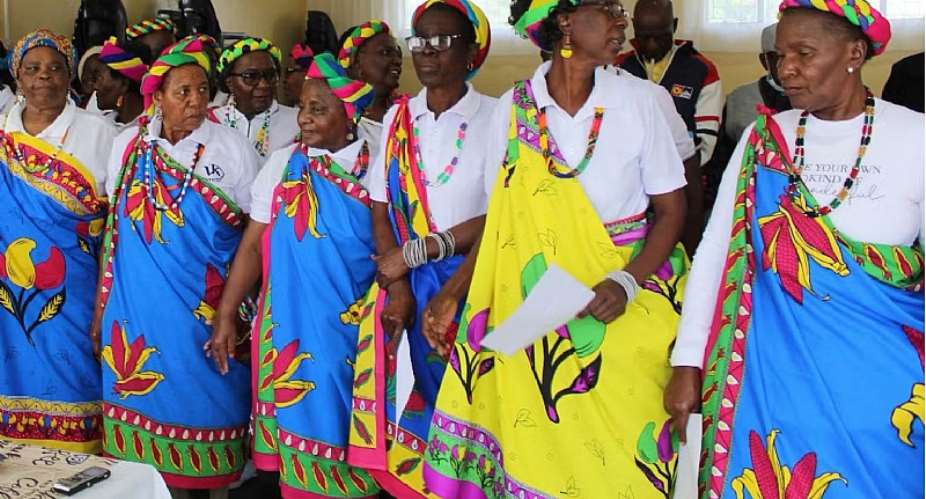
Hlanganani Malamulele Society for the Aged in Giyani, Limpopo province, is one of these daycare centres. It provides food packages and musical activities to support the elderly and help them cope with loneliness and stress. Giyani is a largely rural area in the northern region of South Africa, mostly occupied by the Tsonga people.
As a lecturer in indigenous African music at the University of South Africa, I was working with a musician, Agness Mabasa, and came to know about her regular performances for the elderly at this community centre. Mrs Mabasa performs on the xitende, lugube and tshihwana, which are all traditional bow instruments. Playing the tshihwana.
I was interested in understanding the impact of music on the wellbeing of the elderly people at the centre, particularly those who participate in choir singing and those who engage with the music as listeners.
Other researchers have highlighted the role of music in a holistic approach to promoting a good life for the elderly. Music has been found to act as a catalyst for participation, interaction and personal expression, helping people take an active role in their own wellbeing. In the African context, in particular, music is deeply rooted in the historical and cultural origins of health and wellbeing.
My research employed interviews, music and lyrical analysis, and a literature review to examine how gatherings at the Hlanganani centre contribute to the happiness, mood and overall wellbeing of elderly participants. They told me that singing, performing and listening to indigenous instruments together made them feel healthy and well. Music connected, entertained and comforted them.
Singing and remembering
The Hlanganani centre provides food parcels and activities like crafting and choir singing. I attended two performance sessions there and interviewed 30 people, mostly women, aged between 60 and 84, in 2022. We discussed the music in groups and in individual interviews.
My first visit began with the elderly choir performing two choral pieces as a gesture of welcome. Members explained that some serve as choir conductors, composers and lead singers. I learned that participation in choir activities has given them opportunities to travel for performances and competitions, which motivate them to remain actively involved in the choir. Participants also reported that attending and participating in musical performances together positively affects their mood and overall sense of well-being.
One told me:
Through singing and dancing, our bodies become more active and engaged.
Another said:
We rarely fall ill when we look forward to coming to the centre to connect with others, sing and listen to music.
Mrs Mabasa entertained the group with performances on indigenous instruments. She also told stories about memories and experiences connected to the songs she performed. Most of these were community songs that reflected on the participants' earlier lives and shared social experiences. Some songs evoked memories of their youth, bringing smiles and laughter to the elderly audience. The songs' themes included experiences of marriage in earlier times, and the realities of living with in-laws.
One of the songs she plays is Ni Landa John a Xitandani, the story of a woman waiting for her husband who has gone to seek work far away. It's an experience many of her audience have shared. Another song she performed during my visit was Nonyana Wa Dura, Ntlhanu Wa Makume, with humorous lyrics about the high bridal price of women at the time when many of the audience were teenagers.
Through these musical performances and narratives, the songs revived memories among the elderly and created moments of joy and social connection, encouraging them to look forward to attending the centre each day.
When we sing and listen to these traditional songs, their melodies stay with us even after we leave the centre.
During the interviews, many elderly participants stated that the centre contributes positively to their emotional well-being and helps them maintain a happier state of mind. They explained that when alone at home, they often spend long periods reflecting on personal challenges and difficulties.
The centre owner told me:
Many elderly individuals grapple with concerns beyond their control, leading to stress and anxiety.
However, when they gather with their peers at the centre, they feel emotionally supported, develop a stronger sense of belonging, and enjoy social interaction.
One told me:
Boredom is no longer our greatest concern because, as individuals with few or no remaining relatives, we often find ourselves overthinking and feeling like a burden to others. Some people are even reluctant to cook for us, but at the centre, we receive proper meals and care.
The participants also indicated that remaining alone at home may leave them vulnerable to crime, like theft of their pension money.
Music uplifts and connects
The findings demonstrate that a centre like Hlanganani (which means “come together”) can play an important role in improving the well-being of elderly people, particularly those living in communities affected by poverty and high unemployment rates.
The study further shows that music, especially music that has formed part of the elderly participants' lived experiences over time, contributes to emotional well-being and an improved quality of life. Through musical participation, shared memories and social engagement, the elderly can experience comfort, joy and a renewed sense of community.
Ntshengedzeni Evans Netshivhambe does not work for, consult, own shares in or receive funding from any company or organisation that would benefit from this article, and has disclosed no relevant affiliations beyond their academic appointment.
By Ntshengedzeni Evans Netshivhambe, Lecturer, University of South Africa
 'Your citizens will still leave our country' — South African activist fires back...
 Anti-LGBTQ bill: 'It's not true that Parliament cannot reconsider a passed bill'...
 New NAIMOS Operations Director pledges stronger fight against galamsey
 Ghana attracting bad actors through ECOWAS free movement system — GIS laments ab...
 Court grants Abronye DC permission to travel abroad for master’s programme
 Afari Hospital Project: “They slept on a 3-year project for eight years” – Brogy...
 Chairman Wontumi seeks plea deal in GH¢30m Exim Bank fraud case
 GH¢7 million Navrongo Youth Resource Centre stalled for nearly nine years amid l...
 BECE graduate feared dead after drowning in River Osen
 Nigerian man escapes from custody during prison van transfer in London


