




Our relationships with wildlife are dynamic. They can change rapidly and unexpectedly.
In South Africa, these changes are visible in tourists searching kelp forests in Cape Town for octopuses and communities contesting baboon management in suburbs. Similar changes are playing out worldwide as people and wildlife increasingly share space and as wildlife communities, human practices, rules, values and perspectives shift, changing how people relate to wildlife.
For much of modern conservation history, wildlife was managed as something separate from society: wildlife needed protection from people, or people needed protection from wildlife. Since the 1990s, this approach has taken a new direction. In many parts of the world, understanding how and why relationships between people and wildlife change is helping to inform more effective approaches to coexistence.
I am an interdisciplinary conservation scientist who set out in a recent paper to identify the main reasons relationships between people and wildlife change. I used southern Africa as an example and developed a framework around four key reasons for the change: wildlife community dynamics (what wildlife does); human views (what people think); human practices (what people do); and human structures (the rules people make).
I applied the framework to nine cases from rural southern Africa and the coastal waters of Cape Town. My aim was to explore how these cases, including disease outbreaks, new animal hunting behaviour, governance reforms, media narratives, alternative wildlife products and militarised conservation, shape how humans perceive, value and interact with wildlife.
My findings show that the four reasons (changes in what wildlife does, what people think, what people do and the rules people make) are interconnected and they all influence the relationships people have with wildlife.
This matters because conservation efforts need to be tailored to local conditions and to the different ways people value, use or come into conflict with wildlife.
Reason 1: Changes in what wildlife does
Changes in wildlife populations and behaviour can shift relationships between people and wildlife. In Cape Town, the hunting of white sharks by killer whales caused white sharks to move away from Cape Town, leading to a loss of income for shark tourism operators but also a reduction in risk perception of water users. My paper shows that more people are now participating in long-distance swims across False Bay since white sharks moved away.
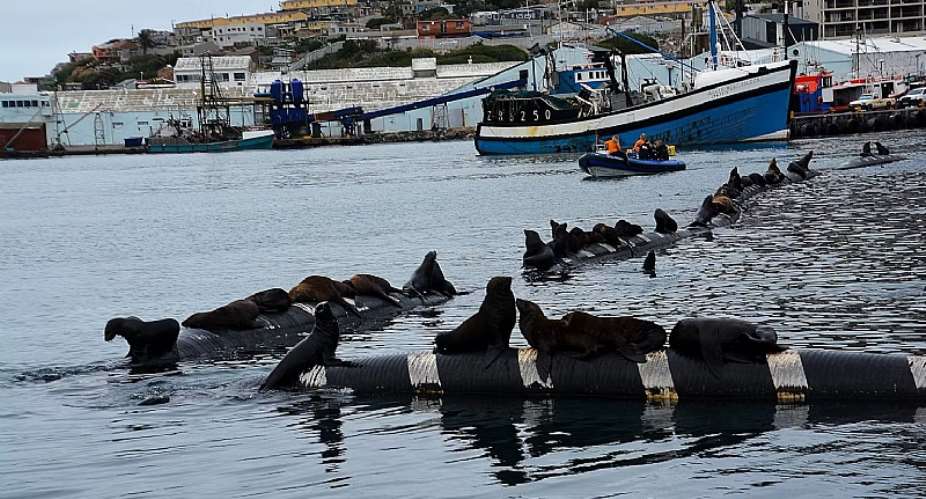
Another example of a change in wildlife behaviour is when rabies emerged in Cape fur seals, which changed their behaviour, causing people to fear seals. Snorkelling tours were suspended, leading to a loss of income for tour operators. Managing the new situation placed a burden on authorities.
These examples show how a new type of animal hunting behaviour and new incidence of disease caused changes in the location and behaviour of wildlife species, affecting their relationships with people.
Reason 2: Changes in what people think
The way people think about, interpret and value wildlife influences the relationships people have with animals. Story telling, including film, can be important in shaping these relationships.
The documentary film My Octopus Teacher elicited an emotional response from viewers. Following the film's release, there was more interest in snorkelling in Cape Town's kelp forests. Tour operators began offering experiences inspired by the documentary. Underwater kelp forest diving in Cape Town. Credit: Noah Zastrow.
In 2015, there was a global outpouring of anger after an iconic lion was illegally shot in Zimbabwe by an American hunter. The global reaction to the killing of Cecil the lion demonstrated how people thousands of kilometres away could feel moral outrage, grief and responsibility towards a single animal. Social and news media transformed one hunting incident into a global symbol of conservation ethics, triggering policy debates and tourism boycotts.
Reason 3: Changes in what people do
How people behave, act and engage with wildlife affects the relationship. Activities such as driving, hiking and hunting are examples.
During the COVID-19 pandemic wildlife moved into human spaces more than before when people were at home during lockdown. In Canada, cougars moved into more urban areas near Vancouver while people were inside, and in India, wildlife became more active during the day.
In South Africa, changes in human actions have changed people's relationships with wildlife in different ways. An increase in rhino poaching almost 20 years ago led to green militarisation in Kruger National Park. This changed the relationships that rangers have with rhinos as their jobs became increasingly dangerous and stressful.
A more positive example is the manufacture and use of faux leopard fur for ceremonial use by members of the Shembe church. This reduced the demand for real leopard fur. Along with awareness raising and education initiatives, it increased people's appreciation of leopards.
Reason 4: Changes in the rules people make
Formal and informal institutions, policies, governance systems and social norms can shape interactions between people and wildlife.
A good example of this is the Botswana hunting ban. This reduced the benefits that communities and private landowners were getting from paying hunters. Another example is South Africa's game theft law, which enables private landowners to benefit from wildlife, giving wildlife value and creating an incentive to conserve it.
Interventions that change how people value wildlife influence whether people want to conserve wildlife and how they will behave towards wildlife.
Why this matters for conservation
Conservation is increasingly about coexistence. As climate change, habitat loss and urban expansion intensify, durable solutions are needed. But these require understanding how people feel about, relate to, and live with wildlife and how those relationships are shaped by ecological change, media narratives, human practices and governance.
The shifting relationships we see in southern Africa are indicative of global changes in how societies relate to wildlife.
My paper shows how different interventions can change relationships between people and wildlife and how people value wildlife. If conservation is to remain relevant, it must engage with relationships, recognising that fear, fascination, pride, anger, appreciation, respect, responsibility and stewardship all shape how people respond to wildlife, reflecting the many ways people value nature.
Understanding why people's relationships with wildlife change can help us manage situations better, communicate more clearly, reduce conflict and support people and wildlife living together.
Dian Spear receives funding from Jamma Conservation and Communities.
By Dian Spear, Senior research scientist, Stellenbosch University
 'Your citizens will still leave our country' — South African activist fires back...
 Anti-LGBTQ bill: 'It's not true that Parliament cannot reconsider a passed bill'...
 New NAIMOS Operations Director pledges stronger fight against galamsey
 Ghana attracting bad actors through ECOWAS free movement system — GIS laments ab...
 Court grants Abronye DC permission to travel abroad for master’s programme
 Afari Hospital Project: “They slept on a 3-year project for eight years” – Brogy...
 Chairman Wontumi seeks plea deal in GH¢30m Exim Bank fraud case
 GH¢7 million Navrongo Youth Resource Centre stalled for nearly nine years amid l...
 BECE graduate feared dead after drowning in River Osen
 Nigerian man escapes from custody during prison van transfer in London


