





Africa's Silent Food Crisis
Africa's agricultural challenge is often described as a production problem. Yet across the continent, millions of tonnes of food are lost after harvest before they ever reach consumers. While farmers work tirelessly to increase yields, a significant portion of their harvest is destroyed by pests, spoilage, poor storage facilities, inadequate transportation systems, and limited processing capacity.
According to the Food and Agriculture Organisation (FAO), nearly one-third of all food produced globally for human consumption—approximately 1.3 billion tonnes annually—is lost or wasted (FAO, 2011). In Sub-Saharan Africa, post-harvest losses remain particularly severe, with studies estimating that up to 37 per cent of food production may be lost between the farm and the consumer (World Bank, 2011; Affognon et al., 2015). These losses cost the region billions of dollars each year, reduce farmers' incomes, increase food prices, and threaten food security.
The consequences extend beyond economics. Every bag of grain destroyed by storage pests, every crate of vegetables spoiled during transportation, and every fruit lost before reaching the market represents wasted land, water, labour, and opportunity. At a time when Africa's population continues to grow rapidly, and food demand is rising, reducing post-harvest losses is no longer optional but essential.
For decades, efforts to transform African agriculture have focused primarily on increasing production. However, producing more food alone will not solve the continent's food security challenges if substantial quantities continue to be lost after harvest. Africa's food crisis is therefore not only a production crisis; it is also a preservation crisis.
Biotechnology offers a powerful opportunity to address this challenge. Through innovations in crop improvement, microbial preservation, biological pest control, food processing, and bioinformatics, biotechnology can help Africa preserve more of what it already produces, transforming post-harvest management from a source of loss into a driver of food security and economic growth.
"Africa's food challenge is not only a production crisis; it is also a preservation crisis."
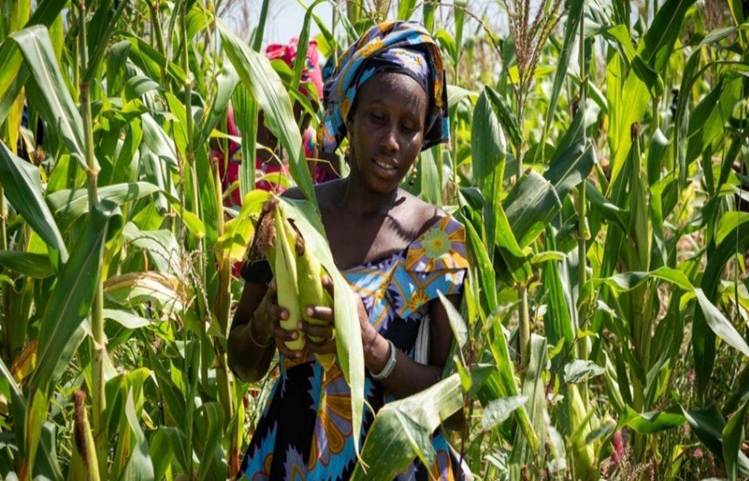
Figure 1: Maize farmer harvesting crops in Sub-Saharan Africa.
Understanding the Cost of Post-Harvest Losses
Post-harvest loss refers to the reduction in the quantity or quality of agricultural products after harvesting but before consumption. These losses occur due to insect infestations, fungal contamination, microbial spoilage, inadequate storage facilities, poor transportation systems, and limited processing capacity.
The consequences extend beyond wasted food. Farmers lose income, consumers face higher prices, governments spend more on food imports, and scarce resources such as land, water, energy, and labour are effectively wasted.
For a continent expected to feed a population of more than two billion people by 2050, reducing post-harvest losses is not merely an agricultural priority, it is an economic and developmental imperative.
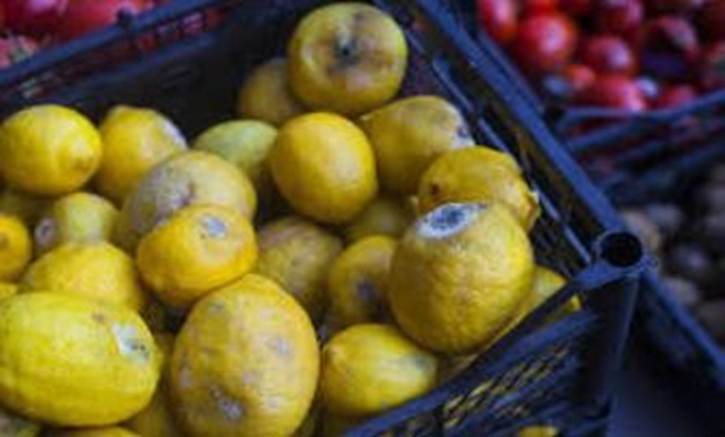
Figure 2: Fruit spoilage resulting from inadequate storage and transportation systems. Image Source: Felix Instruments (2021).
Biotechnology: Moving Beyond the Farm
Many people associate biotechnology primarily with genetically modified crops. However, modern biotechnology encompasses a much broader range of tools involving genetics, microbiology, molecular biology, bioinformatics, and food science.
These innovations can help Africa preserve food after harvest, extending shelf life and reducing waste throughout the agricultural value chain.
Engineering Longer-Lasting Crops
One of the most promising applications of biotechnology involves the development of crop varieties with improved shelf life.
Through molecular breeding and advanced genetic techniques, scientists can develop fruits and vegetables that ripen more slowly, resist bruising during transportation, and maintain quality for longer periods after harvest.
For African farmers who often transport produce over long distances on poorly developed road networks, even a few additional days of shelf life can mean the difference between profit and loss.
Imagine tomatoes harvested in northern Ghana remaining fresh long enough to reach markets in Accra without significant spoilage. Such innovations could dramatically improve returns for farmers while reducing food waste.
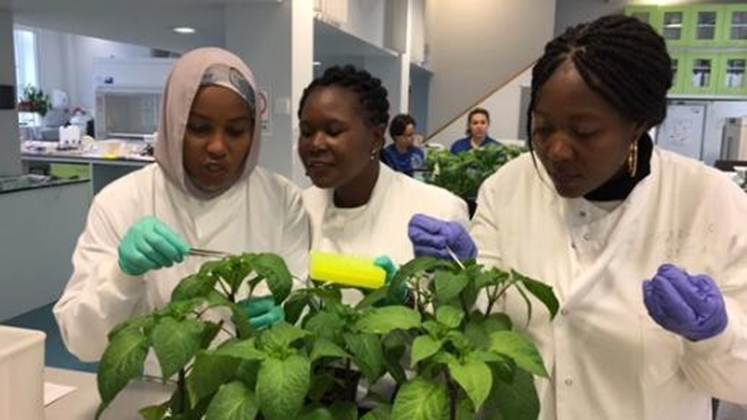
Figure 3: Biotechnology researchers working on crop improvement technologies. Image Source: University Of Cambridge.
Fighting Invisible Enemies: Fungi and Mycotoxins
One of Africa's most persistent food safety challenges is contamination by fungi that produce toxic compounds known as mycotoxins.
Aflatoxins, commonly found in maize and groundnuts, pose serious health risks and reduce access to international export markets.
Biotechnology offers several solutions. Molecular diagnostic tools can detect fungal contamination early, while beneficial microorganisms can suppress harmful fungi before they spread. Researchers are also developing crop varieties with greater resistance to fungal infection.
These approaches not only reduce losses but also improve public health outcomes.
Biological Protection Against Storage Pests
Storage pests destroy enormous quantities of grain every year across Africa.
Traditional control methods often rely heavily on chemical pesticides, which may pose environmental and health concerns when improperly used.
Biotechnology provides environmentally friendly alternatives through biological control agents, including beneficial microorganisms and naturally derived compounds that target pests while minimizing harm to people and ecosystems.
Such innovations are particularly important for smallholder farmers seeking affordable and sustainable storage solutions.
Transforming Food Through Biotechnology-Based Processing
Food preservation is one of humanity's oldest challenges, yet biotechnology is revolutionising how it is achieved.
Modern fermentation technologies enable farmers and processors to convert perishable products into value-added goods with longer shelf lives.
Milk can be processed into yoghurt and cheese; fruits can be transformed into juices and concentrates; and cassava can be converted into flour and industrial products.
By extending shelf life and increasing market value, biotechnology-driven processing creates economic opportunities while reducing waste. 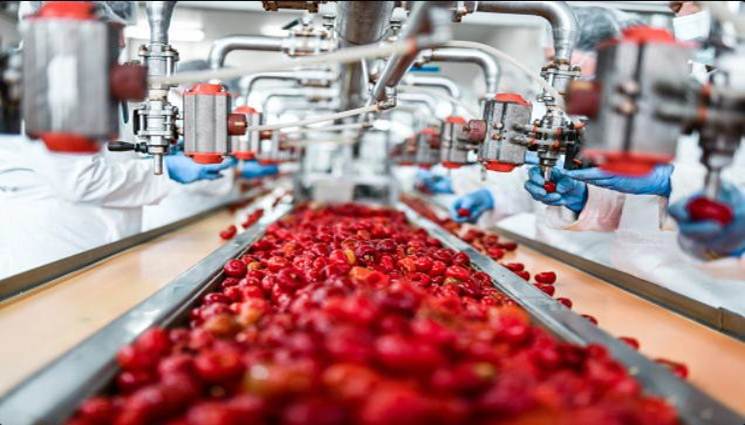
Figure 4: Food processing technologies can significantly extend shelf life. Image Source: Pixabay.
Learning from Global Success Stories
Several countries have demonstrated how science and technology can reduce post-harvest losses.
In India, investments in food processing technologies, cold-chain systems, and agricultural research have helped improve food preservation and market access. China has combined biotechnology research with modern storage infrastructure and logistics systems to strengthen
food security. Other countries have integrated biological preservation technologies into their agricultural value chains to improve efficiency and reduce waste.
Africa can adapt these lessons to its own realities while developing homegrown solutions tailored to local crops, climates, and markets.
An African Success Story: Reducing Grain Losses in Kenya
Africa does not need to look beyond its borders for examples of success. In Kenya, the adoption of hermetic storage technologies, particularly Purdue Improved Crop Storage (PICS) bags, has helped thousands of smallholder farmers reduce post-harvest grain losses caused by insects and poor storage conditions. These airtight storage bags limit oxygen availability, preventing the growth of pests without requiring chemical pesticides.
Studies have shown that hermetic storage technologies can significantly reduce losses of maize and other staple crops while improving grain quality and market value. As a result, farmers are able to store their produce for longer periods, sell when market prices are more favorable, and increase household incomes.
The Kenyan experience demonstrates that combining scientific innovation with practical farmer-focused solutions can substantially reduce post-harvest losses. It also highlights an important lesson for the rest of Africa: technological solutions are most effective when they are affordable, accessible, and adapted to local agricultural realities.
The Emerging Role of Bioinformatics
As biotechnology advances, bioinformatics is becoming increasingly important.
By analysing large biological datasets, scientists can identify genes associated with longer shelf life, predict disease outbreaks, monitor microbial contamination, and design more effective preservation strategies.
For a new generation of African biotechnology students and researchers, bioinformatics represents an opportunity to contribute innovative solutions to one of the continent's most pressing agricultural challenges.
Building the Ecosystem for Change
Technology alone cannot solve Africa's post-harvest crisis.
Governments must invest in research institutions, universities, storage infrastructure, and agricultural extension services. The private sector must support innovation and commercialization, while development partners can facilitate technology transfer and capacity building.
Most importantly, farmers must have access to these innovations through education, training, and affordable implementation strategies.
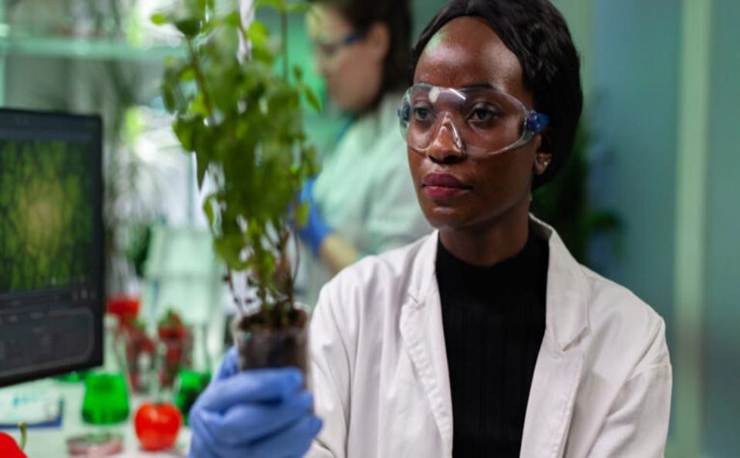
Figure 5: The future of African agriculture depends on science-driven innovation. Image source: African School Of Economics
Conclusion: Preserving the Harvest, Securing the Future
Africa's agricultural future will not be determined solely by how much food it produces. It will also depend on how effectively that food is preserved, processed, and delivered to consumers.
Biotechnology offers an opportunity to transform the continent's post-harvest systems by extending shelf life, reducing spoilage, improving food safety, and creating new economic opportunities. By embracing scientific innovation and investing in biotechnology-driven solutions, Africa can reduce food losses, strengthen food security, and improve the livelihoods of millions of farmers.
The challenge before Africa is not simply to grow more food. It is to ensure that food already produced is not lost before it reaches those who need it most.
"Africa's future food security will depend not only on how much food it produces, but also on how much of that food it succeeds in preserving."
References
Affognon, H., Mutungi, C., Sanginga, P. & Borgemeister, C. (2015). Unpacking Postharvest Losses in Sub-Saharan Africa: A Meta-Analysis. World Development, 66, pp. 49–68.
Food and Agriculture Organization (FAO). (2011). Global Food Losses and Food Waste: Extent, Causes and Prevention. Rome: FAO.
Food and Agriculture Organization (FAO). (2019). The State of Food and Agriculture 2019: Moving Forward on Food Loss and Waste Reduction. Rome: FAO.
Gustavsson, J., Cederberg, C., Sonesson, U., van Otterdijk, R. & Meybeck, A. (2011). Global Food Losses and Food Waste. Rome: Food and Agriculture Organization of the United Nations.
World Bank. (2011). Missing Food: The Case of Postharvest Grain Losses in Sub-Saharan Africa. Washington, DC: World Bank.
Kitinoja, L. & Kader, A.A. (2015). Measuring Postharvest Losses of Fresh Fruits and Vegetables in Developing Countries. The Postharvest Education Foundation, California, USA.
Kumar, D., Kalita, P. (2017). Reducing Postharvest Losses during Storage of Grain Crops to Strengthen Food Security in Developing Countries. Foods, 6(1), 8.
Tripathi, P. & Dubey, N.K. (2004). Exploitation of Natural Products as an Alternative Strategy to Control Postharvest Fungal Rots of Fruit and Vegetables. Postharvest Biology and Technology, 32(3), pp. 235–245.
About the Author
Philip Antwi Boasiako is a Biotechnology undergraduate at Andhra University, India. His interests include agricultural biotechnology, bioinformatics, food security, environmental sustainability, and African development. He is passionate about applying science and innovation to address Africa's agricultural and socio-economic challenges.
Email: [email protected]
LinkedIn: https://www.linkedin.com/in/philip-b-antwi-a69729384
 June 4: Cedi sells at GHS12.50 on forex market, GHS11.82 on BoG interbank
 AU calls for restraint amid clashes and anti-government protests in Somalia
 GNFS completes rescue operation at collapsed Adenta building, retrieves four ali...
 RNAQ ex-wife petitions court to restrict Hajia4Reall’s closeness to her children...
 One dead, two children trapped after three storey building collapse at Adenta
 Obuasi Circuit Court jails farmer 8years over violent mining site attack at Obua...
 Health Minister summons KATH CEO over emergency centre closure
 Unauthorised structures demolished at Haatso
 Fire guts shops opposite Accra Central Police Station
 Abandoned 250-bed Sewua Regional Hospital rots as KATH battles congestion


