




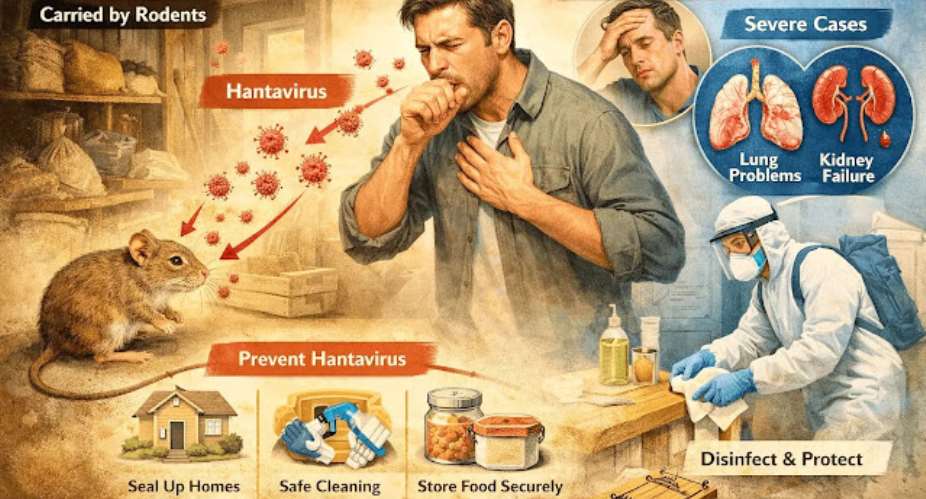
Hantavirus is a dangerous rodent‑borne virus known for causing severe respiratory and renal illnesses in humans. It spreads mainly through contact with infected rodent urine, droppings, or saliva, which can become airborne and inhaled.
Although infections are relatively rare, the virus can lead to life‑threatening complications, making awareness and prevention essential for public health.
Why is it called Hanta?
The name “Hanta” comes from the Hantaan River region in South Korea. This is where the virus was first identified during investigations into mysterious illnesses affecting soldiers. The river’s name became the basis for the virus family now known globally as hantaviruses.
Viruses often get their names from the places where they first occurred. The virus is called “Hanta” because of its geographical origin. The earliest known cases occurred near the Hantaan River, and the name honors the location where the virus was first studied and understood.
The virus was first recognized during the Korean War (1950–1953), when thousands of United Nations soldiers developed severe fever, internal bleeding, and kidney complications. Researchers later traced the cause to rodents living near the Hantaan River. Since then, different hantavirus strains have been discovered worldwide, each linked to specific rodent species.
Symptoms of Hantavirus
Hantavirus symptoms usually appear 1–8 weeks after exposure. Early signs often resemble the flu, including fever, fatigue, muscle aches, headaches, dizziness, and abdominal discomfort. As the illness progresses, symptoms depend on the type of hantavirus infection.
Hantavirus Cardiopulmonary Syndrome (HCPS): coughing, shortness of breath, and rapid fluid buildup in the lungs.
Hemorrhagic Fever with Renal Syndrome (HFRS): low blood pressure, internal bleeding, and kidney failure. Both conditions can be fatal without urgent medical care.
How to prevent its spread
Preventing hantavirus infection focuses on reducing contact with rodents. Homes and workplaces should be sealed to block rodent entry, and food should be stored in airtight containers.
When cleaning areas with rodent droppings, avoid sweeping or vacuuming, as this can release virus particles into the air. Instead, use disinfectant solutions and protective gloves. Maintaining good hygiene and controlling rodent populations remain the most effective prevention strategies.
Treatment for Hantavirus
There is no specific antiviral medication for hantavirus. Treatment is supportive and depends on the severity of the illness. Patients with HCPS may require oxygen therapy or mechanical ventilation, while those with HFRS may need dialysis for kidney support.
Early diagnosis and immediate medical attention significantly improve survival rates. Since the virus does not spread easily between humans, prevention remains the strongest defense.

 Tourism Ministry distances itself from Karnival Kingdom Festival
 North Legon: Police arrest man for allegedly dragging son on tarred road with qu...
 BTU Council Chair allegedly blocks Vice Chancellor from office despite GTEC dire...
 Man arrested for allegedly threatening police, military personnel
 “Unless they kill me today…” — 70-Year old man breaks down after demolition at S...
 Civilians lynched in Mali witch hunt after jihadist, rebel attacks
 Mali's Jihadist Crisis: JNIM's Unprecedented Offensive Shakes the Sahel
 Twin jihadist-claimed attacks kill more than 30 in Mali
 ‘Side chicks and side guys’ cannot automatically join divorce cases – Supreme Co...
 Results generated by our central laboratory are valid, reliable — Korle-Bu manag...


