




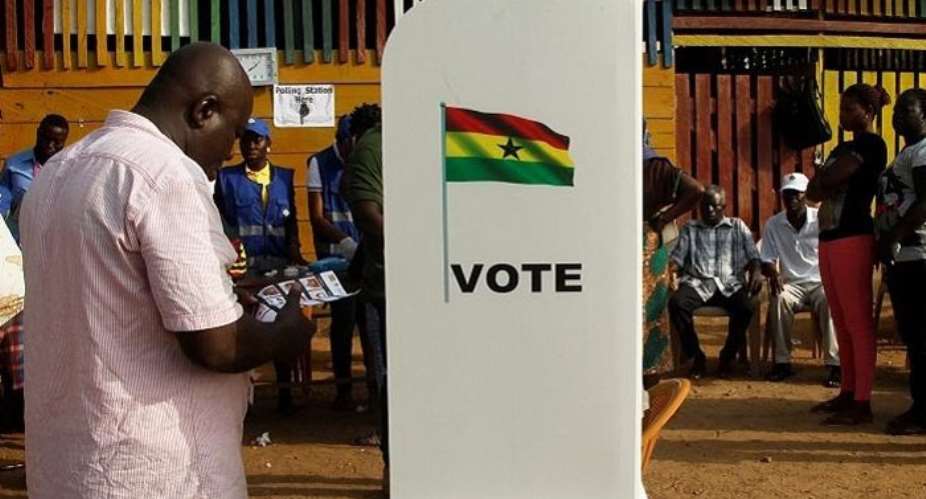
Ghana’s 2024 election delivered a decisive message: citizens were ready for political change. Yet, despite the electorate’s clear repudiation of the previous administration, troubling patterns of entrenched injustice continue to cast a long shadow over the nation’s democratic aspirations.
It is deeply concerning that individuals who once wielded significant influence during the Nana Addo Dankwa Akufo‑Addo presidency appear still able to shape outcomes in ways that undermine public confidence in the rule of law. Reports and public commentary suggest that some well‑connected actors—whose activities during their time in power raised serious ethical and legal questions—retain the capacity to secure favourable decisions in legal and quasi‑legal forums. Such outcomes, when perceived as predetermined or skewed, erode trust in institutions meant to safeguard fairness and impartiality.
The persistence of these dynamics raises a fundamental question about the health of Ghana’s democracy. A system in which powerful figures can seemingly protect their interests long after leaving office, even at the expense of the reputations of honest citizens, risks normalizing impunity. It also sends a troubling signal to both domestic and international observers: that accountability remains uneven, and that justice can be influenced by proximity to former power.
For a country that positions itself as a stable, rules‑based destination for investment, this perception is particularly damaging. Investors—especially those committed to ethical business practices—seek environments where disputes are adjudicated transparently and without fear or favour. When the integrity of legal and arbitration processes is called into question, confidence falters.
Ghana has long prided itself on its democratic credentials. But democracy is sustained not only by elections; it is upheld by institutions that function independently and by a justice system that treats all citizens equally. If the nation is to strengthen its democratic foundations, it must confront the lingering influence of past power structures and ensure that justice is neither selective nor susceptible to manipulation.
The path forward requires vigilance, institutional reform, and a collective commitment to fairness. Only then can Ghana fully realise the promise of its democracy and restore confidence—both at home and abroad—in the integrity of its governance.

 Cape Coast assembly declares war on floods, announces demolitions and emergency ...
 Fire guts GBC staff quarters in Wa
 PRINPAG condemns high court jailing of Herald Newspaper editor Larry Dogbe
 NPP gives disciplinary committee two weeks to probe petitions against Kennedy Ag...
 Yaw Dabo mistaken for a child on live 2026 World Cup broadcast
 Free-for-all fight at NPP NEC meeting as supporters clash over 'Ken Must Go' pro...
 TOR resumes crude oil processing after four years maintenance shutdown
 Cabinet approves State Assets Protection Bill to safeguard public property – Mah...
 Asantehene calls for engineering solutions to curb flooding in Ghana
 “I’ll divorce my wife If Ghana doesn’t beat Croatia” – Lil Win


