




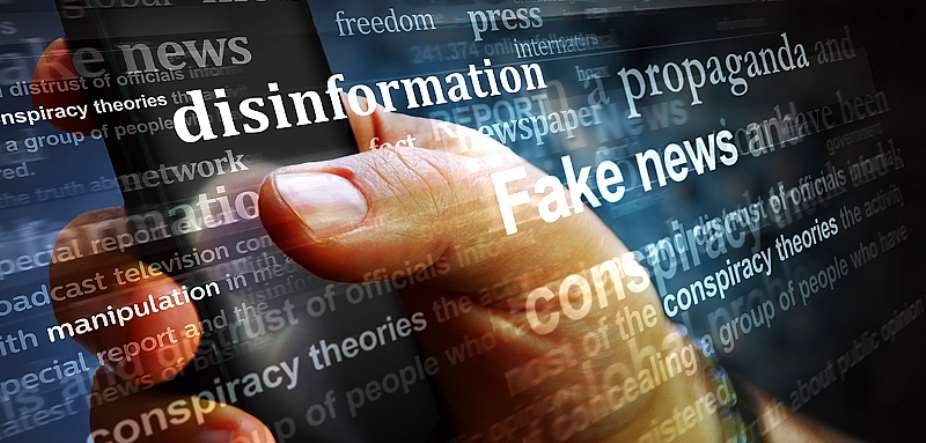
Modern wars are fought not only on the battlefield but also in the information space. The conflict involving the United States, Israel, and Iran has produced a massive surge of misinformation, propaganda, and digital manipulation, making it difficult for the public to distinguish verified facts from strategic narratives.
Analysts describe the situation as a “war of narratives,” where governments, media networks, online communities, and automated systems attempt to shape global perceptions of the conflict.
The Information War: A Parallel Battlefield
Alongside missile strikes and military operations, the conflict has generated intense information warfare. Governments and non-state actors attempt to influence public opinion, justify military actions, and undermine opponents through messaging campaigns.
Experts note that “actors on all sides of the conflict are actively trying to spread propaganda and disinformation,” treating public attention as a strategic resource.
These campaigns target:
Domestic populations
Regional audiences in the Middle East
Global public opinion
Political elites and policymakers
Because information travels faster than verified reporting during wartime, misinformation often spreads widely before corrections appear.
Social Media and Viral Falsehoods
Social media platforms such as X, Telegram, and TikTok have become the main channels for spreading misleading content.
Common misinformation tactics include:
Recycled or Mislabeled Videos
Old footage from unrelated conflicts is frequently shared as if it depicts current attacks. For example:
A 2015 warehouse fire in China circulated online claiming to show explosions in Tel Aviv.
Footage from the 2003 Iraq War has been reposted as evidence of new strikes on U.S. bases.
These videos often gain millions of views before fact-checkers debunk them.
Video Game Footage
In some cases, clips from military simulation games have been falsely presented as real combat footage.
Mislabeled Images
Photos from protests, disasters, or earlier conflicts are frequently reused with new captions to support political narratives.
The Rise of AI-Generated Propaganda
Artificial intelligence has intensified the scale and realism of misinformation.
Researchers report widespread circulation of:
AI-generated images of cities on fire
Fabricated missile strike footage
Fake battlefield scenes
Many of these visuals claim to show destroyed cities or military victories that never occurred.
The technology makes it easier to create convincing fake content quickly, increasing confusion during fast-moving events.
State-Driven Propaganda Campaigns
Governments involved in the conflict have also used propaganda strategies to shape narratives.
Iranian Messaging
Iranian state media and affiliated online networks have promoted narratives emphasizing:
Military successes against Israel or U.S. forces
Civilian suffering caused by Western attacks
Claims of Western misinformation campaigns
Iran’s authorities have also restricted internet access domestically, which analysts say can make it easier for state narratives to dominate local information flows.
U.S. and Israeli Messaging
Western governments frame the conflict around:
Preventing Iran’s nuclear capabilities
Self-defense against missile or drone attacks
Protecting regional stability
Reports also suggest intelligence services sometimes use deception campaigns to mislead adversaries, including operations designed to create a false sense of security before military strikes.
Media Manipulation and Fake News Networks
Another major tactic is impersonating legitimate news organizations.
Investigations have uncovered fake news websites and videos designed to look like major media outlets, including fabricated reports using the branding of well-known broadcasters. These were circulated through coordinated online networks to spread false claims about the war.
Such tactics are designed to:
Increase credibility
Confuse audiences
Discredit legitimate journalism
Political Narratives and Competing Claims
The conflict has produced competing accusations of disinformation.
For example:
U.S. officials have claimed Iran used AI-generated propaganda and fabricated military successes.
Iranian leaders have accused the U.S. and Israel of spreading false claims about Iran’s military and nuclear programs.
These competing accusations illustrate how information warfare itself becomes part of the geopolitical struggle.
Consequences of Wartime Misinformation
The widespread spread of propaganda and fake news can have serious consequences:
Public Confusion
Conflicting narratives make it difficult for audiences to determine what is actually happening on the battlefield.
Political Polarization
Propaganda often amplifies ideological divisions internationally.
Escalation Risks
False reports of attacks or casualties can intensify tensions and provoke retaliatory responses.
Loss of Trust
Constant exposure to misinformation undermines trust in media institutions and governments.
Conclusion
The U.S.–Israeli war with Iran illustrates how modern conflicts extend far beyond physical combat. Social media platforms, artificial intelligence tools, and coordinated propaganda networks have transformed information into a strategic weapon.
As a result, understanding the war requires not only analyzing military developments but also critically evaluating the narratives circulating online. In the digital age, the battle for truth and perception has become as important as the battle on the ground.
Mustapha Bature Sallama.
Medical/ Science Communicator,
Private Investigator, Criminal investigation and Intelligence Analysis.
International Conflict Management and Peace Building.USIP
[email protected]
+233-555-275-880

 NaIMOS arrests 49 suspected illegal miners after armed clash at Adiewoso
 Upper East Regional Minister leads technical assessment for proposed airport pro...
 Missing car dealer found dead as police arrest friend over alleged murder
 Teacher Sir Ola shares inspiring story of sacrifice and compassion
 Extreme heat is a growing threat to health, jobs and food security in southern A...
 Mali lawyer critical of junta abducted overnight
 Two women die on migrant boat near France seeking to reach UK
 Iran offers strait deal, Trump says he's not satisfied
 How faulty fan regulator sparked fire, destroyed two rooms at Suhum Konfine
 Don’t store bread beyond four days – Baker advises


