




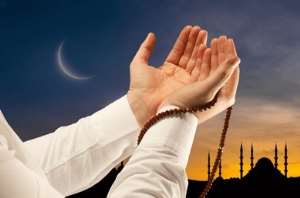
The final ten days of Ramadan are the most sacred and spiritually rewarding period of the holy month. For Muslims around the world, these days represent a final opportunity to deepen their connection with Allah through prayer, repentance, charity, and sincere worship. As the month of fasting approaches its end, believers increase their efforts to seek forgiveness and blessings.
Spiritual Significance of the Last Ten Days
Throughout Ramadan, Muslims fast from dawn until sunset, abstaining from food, drink, and other physical needs while focusing on spiritual growth. However, the last ten days are considered especially important. The Prophet Muhammad was known to increase his acts of worship during this period. He would spend more nights in prayer, recite the Qur'an, and encourage his family and companions to do the same.
Many Muslims also attend special night prayers known as Qiyam al-Layl or Tahajjud, spending long hours in supplication and reflection.
The Search for Laylat al-Qadr
A major focus of the last ten nights is seeking Laylat al-Qadr, often called the Night of Power. According to Islamic teachings, this is the night when the first revelation of the Qur’an was sent to Prophet Muhammad.
The Qur’an describes this night as “better than a thousand months.” Because the exact date is unknown, Muslims search for it during the odd nights of the last ten days particularly the 21st, 23rd, 25th, 27th, and 29th nights. Worship during this night is believed to bring immense rewards and forgiveness from Allah.
Special Dua for the Last Ten Nights
One of the most recommended supplications during these nights was taught by the Prophet Muhammad. When his wife Aisha bint Abi Bakr asked what she should say if she found Laylat al-Qadr, he advised her to recite the following dua:
“Allahumma innaka ‘afuwwun tuhibbul-‘afwa fa‘fu ‘anni.”
Meaning:
O Allah, You are Most Forgiving, and You love forgiveness, so forgive me.
Muslims repeat this dua frequently during the last ten nights while also making personal prayers for forgiveness, guidance, and blessings for themselves and others.
Iʿtikāf: A Spiritual Retreat
Another important practice during the last ten days is I'tikaf. In this act of worship, Muslims stay in the mosque for several days, dedicating their time entirely to prayer, Qur’an recitation, and remembrance of Allah. It allows believers to detach from worldly distractions and focus purely on their spiritual relationship with their Creator.
Acts of Charity and Kindness
The last ten days are also a time to increase acts of generosity. Muslims give charity, help those in need, and pay Zakat al-Fitr, which ensures that even the poor can celebrate the upcoming festival.
Conclusion
The last ten days of Ramadan are a powerful reminder of faith, humility, and devotion. Through prayer, dua, charity, and the search for Laylat al-Qadr, Muslims strive to end the holy month in the best possible way. These days encourage believers to renew their faith, seek forgiveness, and prepare spiritually for Eid al-Fitr, the joyful celebration that marks the end of Ramadan.
Mustapha Bature Sallama.
Medical/ Science Communicator,
Private Investigator, Criminal investigation and Intelligence Analysis.
International Conflict Management and Peace Building.USIP
[email protected]
+233-555-275-880

 S.african Police Probe Killing Of Foreigner In Xenophobic Unrest
 Tension at Bantama NPP office as chairman accuses Asenso Boakye of political mac...
 Korle Bu succesfully performs first two off-pump heart bypass surgeries
 Disability Act lacks teeth, must be strengthened — Annoh-Dompreh
 Mental health, drug tests now mandatory for firearm licences — Interior Minister
 GoldBod directs licensed buyers to report gold purchases within five minutes
 Action will be taken on viral video showing SHS student assaulting a junior — Dr...
 NDC promised to ease cost of living yet increasing utility tariff — Kofi Tonto
 NDC is a useless govt – Miracles Aboagye fumes
 Govt eyes 1,012km rail corridor to boost trade, transform cargo transport from T...


