




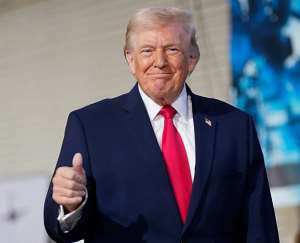
If the reports circulating this week are accurate, US President Donald Trump is considering limited military strikes on Iran to force a nuclear agreement. On the surface, the logic may seem simple: apply pressure, demonstrate resolve and compel Iran to comply. Yet, a closer examination, grounded in historical precedent, diplomatic experience and strategic analysis, reveals a far darker reality. Limited strikes rarely remain limited, rarely coerce as intended, and often produce unpredictable consequences that undermine both security and diplomacy.
The stakes could not be higher. Iran is a regional power with deep military and political infrastructure. Any military action risks triggering retaliation, destabilizing the Middle East and potentially derailing months of painstaking diplomacy. This critique examines why relying on military coercion is not only ethically fraught but strategically unsound, historically unreliable, and likely to produce outcomes opposite to those intended.
The Myth of “Limited Strikes”
The concept of a “limited strike” is seductive because it promises a middle ground between inaction and full-scale war. The idea is to target select military or governmental sites, inflict damage and stop short of a wider conflict. Yet history suggests that such strikes rarely stay contained.
Consider the 1986 US bombing of Libya (Operation El Dorado Canyon). The strikes, intended as retaliation for a terrorist attack, failed to change Libyan behaviour or deter state-sponsored terrorism. Instead, they hardened the Libyan regime’s resolve, fueled anti-American sentiment and prolonged regional tensions for years. Similarly, Operation Nimble Archer in 1987, which targeted Iranian oil platforms in the Persian Gulf, achieved temporary tactical objectives but did not alter Iran’s strategic behaviour or reduce its influence in the region. More recently, the assassination of General Qasem Soleimani in 2019, executed under the Trump administration, triggered immediate Iranian missile attacks on US forces in Iraq and escalated regional instability without achieving long-term policy objectives.
The lesson is clear: even carefully calibrated military actions intended to be “limited” often produce a spiral of retaliation and escalation. This historical pattern casts serious doubt on whether Trump’s reported plan could achieve its stated goals without triggering broader conflict.
Military Action Does Not Stop Nuclear Programmes
One of the central premises of the proposed strikes is that military force could compel Iran to halt its uranium enrichment program. This premise is deeply flawed. Nuclear facilities, by design, can be rebuilt, relocated or hardened against attacks. Past US intelligence assessments indicate that Iran’s nuclear infrastructure has redundancy and dispersal measures that make it highly resilient. A US strike on one site would likely delay, but not eliminate, the programme and could push sensitive activities further underground, making them harder to monitor and verify.
The 2007 Israeli airstrike on Syria’s alleged nuclear reactor at Al-Kibar illustrates the point. While the reactor was destroyed, Syria pursued alternative nuclear ambitions, demonstrating that the elimination of a facility does not necessarily end a programme. Iran’s nuclear history mirrors this pattern: periods of disruption have slowed development but not stopped the accumulation of enriched material. Military action, therefore, risks producing a temporary tactical victory while leaving the strategic problem intact.
Diplomacy is Fragile and Violence Breaks It
Coercion through military threat fundamentally undermines diplomacy. Reports indicate that US and Iranian negotiators recently conducted a second round of indirect talks in Geneva, described by Iran’s Foreign Minister as “constructive”. These conversations follow months of careful groundwork and rely on building trust, even in a context of deep mutual suspicion. Threatening military strikes during such a delicate process can destroy trust instantly.
Diplomatic theory and empirical studies consistently show that nations under threat are less likely to negotiate in good faith. A 2018 study from the University of Chicago’s Political Science Department found that coercive threats often strengthen domestic political coalitions against the coercer, embolden hardline factions and delay agreements. In the Iranian context, threats of limited strikes are likely to reinforce the narrative that the US is an unreliable partner, undermining incentives to compromise.
History also demonstrates the perils of abandoning diplomacy in favor of force. The 2015 Joint Comprehensive Plan of Action (JCPOA), negotiated over years, is an example. While imperfect, it successfully constrained Iran’s nuclear programme for years. The US withdrawal in 2018, paired with renewed threats, led to the resumption of enrichment activities and greater regional tensions, an outcome predictable to analysts familiar with coercion-based foreign policy.
Escalation Risk is Severe
Iran has clearly stated that US military bases and allied installations in the region would be considered legitimate targets in response to an attack. A limited strike, therefore, could trigger immediate retaliatory actions, not just against US forces in Iraq, but across the region, including the Gulf and Syria.
Consider the chain reactions in the Middle East during previous US interventions. The 1991 Gulf War, the 2003 Iraq invasion, and strikes against ISIS and Al-Qaeda all demonstrate how a localized military action can escalate into a broader conflict. Escalation could involve Iran-backed militias, attacks on shipping through the Strait of Hormuz and cyberattacks against critical infrastructure, multiplying the human, economic and strategic costs far beyond the initial “limited” target.
In addition, limited strikes can strain alliances. The United Kingdom’s Prime Minister has already reportedly refused US requests to use RAF bases for potential operations against Iran. The reluctance of allies to participate signals the complexity of coalition warfare and the risk of diplomatic isolation for unilateral military action.
Economic and Global Security Costs Are Immediate
Even the threat of military strikes produces tangible economic and security effects. Financial markets react sharply to the mere possibility of conflict: oil prices surge, commodities experience volatility, and investors flock to safe-haven assets such as gold and US Treasury bonds.
The Strait of Hormuz, through which nearly 20% of the world’s oil supply passes, is particularly vulnerable. Any military escalation risks disrupting energy supplies globally, increasing costs, and triggering a ripple effect across economies dependent on oil imports. Beyond economics, the humanitarian consequences of strikes are likely to be severe. Civilians, regional populations and refugee flows would be affected, adding a human cost to what may otherwise be framed as a purely tactical military maneuver.
Limited Strikes Encourage Nuclear Proliferation
Ironically, threatening military action to prevent nuclear development can incentivize proliferation. Nations under threat often seek nuclear capabilities as a deterrent. Iran’s neighbours, including Saudi Arabia and Turkey, have previously indicated that they would consider pursuing nuclear programs if they perceive their security to be compromised by US-Iranian conflict. Such a reaction would destabilize the region further, multiplying the very risk the strikes are intended to mitigate.
In other words, while the goal of limited strikes is to curb nuclear development, the result could be a broader regional arms race, with more states seeking nuclear capabilities for security assurances, a classic example of unintended consequences in international security.
Limited Strikes are Ethically and Legally Questionable
Beyond strategy, the proposal raises serious ethical and legal concerns. International law requires that the use of force must meet standards of necessity, proportionality and legitimacy. A preemptive strike intended primarily to coerce policy changes, rather than respond to an imminent threat, is legally ambiguous and potentially constitutes a violation of the United Nations Charter.
Furthermore, even carefully targeted strikes inevitably carry civilian risks. Military planners may argue that advanced munitions reduce casualties, but the unpredictability of warfare means that deaths among non-combatants are likely. Beyond legality, this raises moral questions: can a democratic nation justify initiating conflict on foreign soil to compel compliance, knowing the human cost?
The Illusion of Certainty in Military Outcomes
One of the most dangerous assumptions underpinning the idea of limited strikes is the belief that military outcomes are predictable. They are not. Military history demonstrates repeatedly that adversaries adapt. Iran has invested heavily in asymmetric capabilities, including missile systems, drones, cyberwarfare and proxy networks. Any strike risks unleashing an unpredictable response that could target not just US military assets but civilian infrastructure, allies and commercial interests.
Predictability is an illusion in warfare. Assuming otherwise risks not only strategic failure but catastrophic miscalculation, a lesson learned painfully in conflicts ranging from Vietnam to Iraq.
Alternatives to Military Coercion
Given the risks outlined, what are realistic alternatives? Evidence suggests that diplomacy, multilateral engagement and economic incentives remain the most effective tools.
-Multilateral Negotiation: Engaging European, Russian and Chinese partners strengthens legitimacy and pressure, distributing the burden and reducing the perception of unilateral US coercion.
-Economic and Technical Incentives: Carefully calibrated sanctions relief or technical cooperation can offer Iran tangible benefits for compliance, a strategy that proved effective during the JCPOA negotiations.
-Incremental Verification Measures: Gradual implementation of monitoring mechanisms ensures progress while building trust, without triggering an immediate military crisis.
These approaches require patience and restraint, qualities often undervalued in high-stakes political decision-making but critical for durable results.
Conclusion
Ultimately, relying on military strikes to force Iran into a nuclear agreement is a strategy fraught with risk. Limited strikes rarely remain limited. They rarely produce the intended diplomatic outcomes. They often accelerate the very threats they aim to neutralize. History, economics, law and ethics all caution against this course.
If the United States genuinely seeks a lasting, verifiable nuclear agreement, it must prioritize diplomacy, coalition-building and trust over coercion. Military force should be reserved for situations of genuine, imminent threat, not as a blunt instrument for policy enforcement. The pursuit of short-term tactical advantage through strikes may yield headlines, but it comes at the cost of strategic stability, human lives and regional security.
At a moment when the world is already tense and resources are stretched thin, it is worth remembering: bombs can destroy infrastructure, but only diplomacy can build peace. The choice is stark and the consequences of error are irreversible.
The writer is a journalist, journalism lecturer, and a member of the Ghana Journalists Association, the Society of Professional Journalists, Investigative Reporters and Editors and the African Journalism Education Network. Email: [email protected]


 'Stop excessive financial demands before sharing information with us' — Interior...
 EC will serve national interest, not partisan politics – Deputy Chair Dr Kwaku A...
 I expect no preferential treatment from EC for myself as President, my party or ...
 Afenyo-Markin meets management, proposes reforms to turnaround struggling ECG
 ECG management commends Afenyo-Markin for reforms during short stay as Board Cha...
 Mahama tasks new EC deputy chairpersons to uphold impartiality
 Attorney-General urges court to reject Adu-Boahene’s no-case submission
 Nyaho Medical Centre ordered to report to CID over expired data protection certi...
 Mahama swears in new Electoral Commission deputy commissioners
 PTAAM-Africa calls for government probe into alleged World Cup visa fraud


