




Background & significance
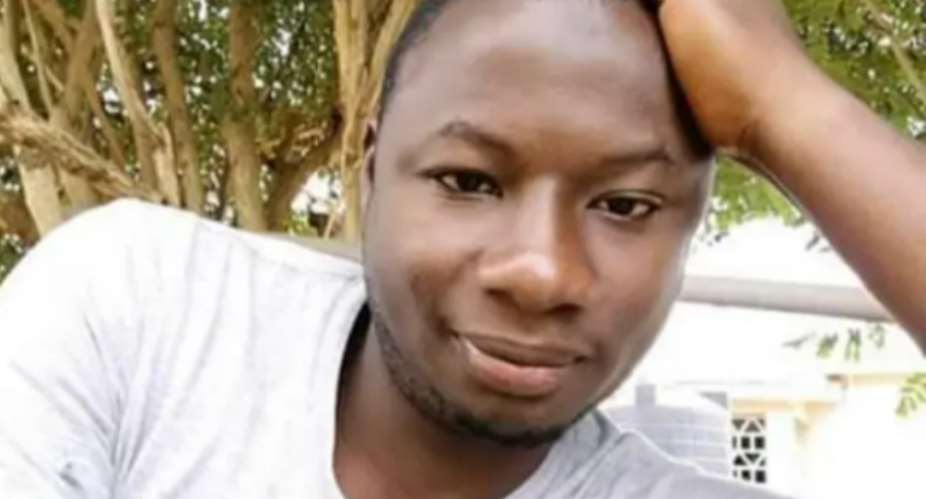
Ahmed Hussein-Suale was a Ghanaian undercover investigative journalist who worked with the team Tiger Eye PI (led by Anas Aremeyaw Anas). He was born on 5 December 1987 and killed on 16 January 2019 in Accra. His investigative work included major exposés: for example the “Number 12” probe which exposed corruption in Ghanaian and African football. That investigation led to the fall of powerful figures such as Kwesi Nyantakyi, then president of the Ghana Football Association. Suale’s death shocked Ghana and raised urgent questions about press freedom, journalist safety and impunity.
The incident & context
On 16 January 2019, Suale was shot dead by two assailants riding a motorbike in Madina, a suburb of Accra. He was hit twice in the chest and once in the neck.
According to witnesses, the gunmen had apparently been waiting for him. The killing was not a random robbery. Prior to the murder, a Member of Parliament Kennedy Agyapong had publicly exposed Suale’s face and urged supporters to “beat him if you see him”.
Trust in the system: A complex dynamic
Suale’s case offers a sobering look at a journalist’s faith in institutional processes, and how that trust was tested.
The trust
As an investigative journalist, Suale evidently believed in the power of exposing wrongdoing and believed the rule of law should hold perpetrators to account. He stayed in Ghana, despite clear threats: as one article records:
“He was of the view that he did not do anything wrong, that he did what he did to save the nation, so why should he leave?”
The institutional machinery the police, judiciary, media associations also publicly committed to investigating his murder, signaling a belief in the system’s capacity to deliver justice.
The erosion of that trust
Investigations dragged on for years with very little visible progress. In March 2025 a suspect was arrested, but by October 2025 the case was discontinued because “evidence did not meet the threshold for prosecution”.
Civil society groups warned that the failure to hold anyone accountable sends a chilling message: that the system may protect attackers of journalists rather than victims. The discontinuation of the case raised deep questions about whether the mechanisms trusted by journalists like Suale are capable of delivering justice when power, politics and resources interfere.
Reflections: What his story tells us
Suale’s willingness to stay and pursue investigative truth even under threat shows a faith in the idea that institutional justice and public accountability matter. His murder and the subsequent handling of his case highlight the fragility of that faith: when justice stalls, the system’s credibility suffers. For journalists and media freedom, the case underscores that the safety of those who trust the system depends not just on law enforcement but on persistent institutional follow-through, independence, transparency and political will.
Key questions going forward
Will the Ghanaian justice system reaffirm its commitment by reopening or properly pursuing the Suale case, thereby restoring trust?
Can protections for journalists be strengthened so that the system they trust is not only reactive (after killings) but proactive (prevention, protection)? What happens when the system fails the very people who trusted it and what does that do to future investigative journalism?
Conclusion
Ahmed Hussein-Suale’s death is tragic. But it also serves as a powerful lens on what it means for a journalist to trust the system: to believe their work will be protected and accounted for, and to believe that wrongdoing will not go unanswered. His fate illustrates how fragile that trust is. It must be matched by institutional action, or the entire premise of that trust risks collapse.
Mustapha Bature Sallama
Medical/Science communicator ,Private Investigator, Criminal Investigation and Intelligence Analysis
International Conflict management and Peace Building. Alumni Gandhi-King Global Academy United State Institute of Peace Building USIP

 Mahama Pushes Ghana–Belarus Agro‑Tech Partnership To Modernise Agriculture
 Ato Forson is selfish, he wants to control everything – Miracles Aboagye
 Kevin Okyere admits Dubai detention, US$50 million Petraco drawdown
 Health Ministry says KATH CEO is suspended for two weeks as administrator, not d...
 'Stop accepting awards from questionable, self-appointed rating bodies' — Mahama...
 Gov’t hints at scrapping unlimited years of mining concession renewals
 Committee uncovers regulatory breaches, structural deficiencies in Madina buildi...
 We're introducing measures to reduce post-harvest losses — Mahama
 Flooding: Building owners who cut corners need to be sanctioned — Fuseini Donkor
 We need an overhaul of Ghana's drainage system — Edem Agbana on flood crisis


