




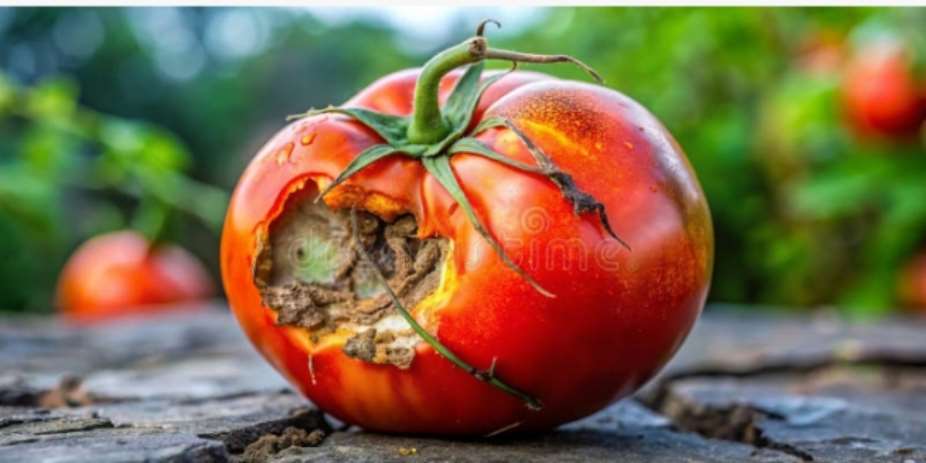
Tomatoes are a staple in diets across the globe, known for their rich antioxidant content, vitamins, and culinary versatility. However, as tomatoes ripen beyond their peak, questions arise about whether overripe tomatoes remain healthy or if they might pose risks to the human body. Scientists and nutritionists have studied this topic to better understand the nutritional value and safety of consuming overripe tomatoes.
What Are Overripe Tomatoes?
An overripe tomato is one that has gone past its ideal stage of ripeness. It becomes extremely soft, may develop wrinkles or dark spots, and is often more aromatic and sweeter due to higher sugar content. The cellular structure starts to break down, which can affect texture and taste.
Nutritional Changes in Overripe Tomatoes
1. Increased Antioxidants (Up to a Point)
Studies suggest that tomatoes continue to develop certain antioxidants, like Lycopene, as they ripen. Lycopene is a powerful carotenoid linked to reduced risk of heart disease and certain cancers.
Lycopene levels peak during full ripeness, which may extend slightly into the overripe stage.
Overripe tomatoes may be richer in Lycopene than unripe ones, offering added protection against oxidative stress in the body.
2. Vitamin Content
Vitamin C tends to degrade after a tomato becomes overripe. According to food science research:
Vitamin C (ascorbic acid) levels drop due to exposure to air and light as the tomato softens vitamins and vitamin K remain relatively stable unless the fruit starts to rot.
Risks of Eating Overripe Tomatoes
Microbial Growth
Overripe tomatoes are more susceptible to bacterial and fungal contamination. As the skin breaks down, it becomes easier for pathogens to enter.
If mold or an off smell is present, the tomato should not be consumed.
Spoiled tomatoes may carry bacteria like Salmonella or E. coli, which can cause food borne illnesses.
Fermentation and Alcohol Production
In very overripe tomatoes, natural fermentation can occur, producing trace amounts of alcohol and gases.
While this isn’t harmful in small amounts, excessive fermentation can lead to unpleasant taste and digestive discomfort in sensitive individuals.
Benefits of Using Overripe Tomatoes
Rather than discarding them, overripe tomatoes can be used in cooked dishes where texture isn’t crucial:
Tomato sauces
Soups
Stews
Ketchup and purees
Cooking destroys harmful bacteria and preserves many nutrients, including Lycopene.
Scientific Consensus
Scientists and nutritionists generally agree:
Slightly overripe tomatoes are safe to eat and can be nutritionally beneficial.
They may contain more antioxidants than firm, underripe ones.
Extremely overripe or spoiled tomatoes should be avoided due to microbial risks.
Proper storage and cooking can preserve their value and reduce health hazards.
Conclusion
Overripe tomatoes, when not spoiled or moldy, are not only safe but can offer added nutritional benefits especially in terms of Lycopene content. However, caution is advised as the line between overripe and spoiled can be thin. When in doubt, smell and inspect the tomato, and consider cooking it to make the most of its remaining nutritional potential.
Mustapha Bature Sallama
Medical/Science communicator
International Conflict management and Peace Building. Alumni Gandhi-King Global Academy United State Institute of Peace Building USIP


 Mahama unveils H-Enabler platform to boost health investment and manufacturing i...
 Calm restored at Larteh Ahenase after Odwira Festival disturbances — Police
 Young woman found hanging from mango tree at Kasoa Akweley Peace Town
 Service Machinery Ghana Limited MD caged over alleged $1m fraud against employer
 Bawumia pledges support for John Boadu-led NPP leadership ahead of 2028
 Boakye Agyarko pledges support for John Boadu, calls for NPP unity after electio...
 Meet the newly elected national executives to lead NPP return to power in 2028
 'I extend my hand of friendship, partnership to contenders for ideas, experience...
 Rwandan genocide suspect 'hunter' Dafroza Gauthier dies at 72
 Brazilians begin voting in tight election between Lula and Flavio Bolsonaro


