




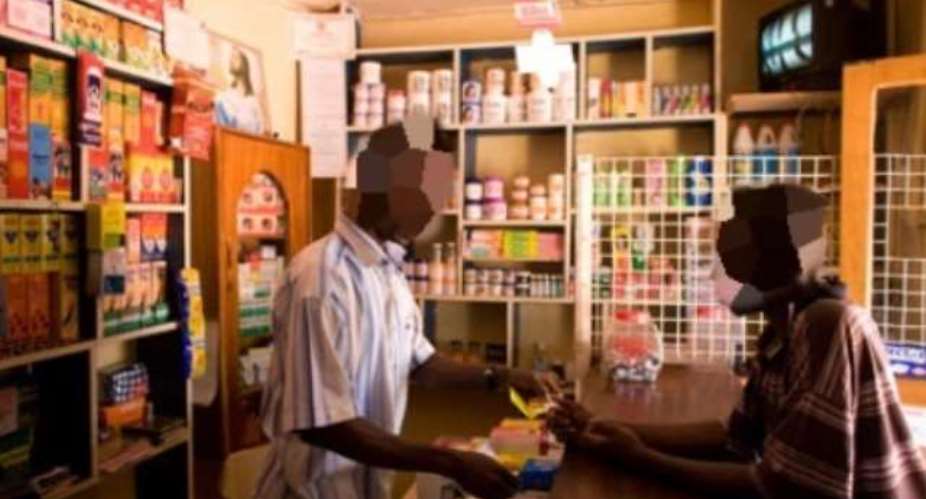
Let’s be honest. When we talk about Ghana’s healthcare system, we glamorize doctors, celebrate big pharmacies like Rokmer Pharma, Unicom Chemist , Ernest Chemist, Tobinco Pharmaceuticals etc, and heap praise on hospitals . But ask yourself this: who is the first person most Ghanaians see when they have a fever , headache, or even malaria ? Not the doctor. Not the hospital pharmacist. It’s the OTCM — the Over-The-Counter Medicine Seller.
And yet, these unsung heroes barely get mentioned in national health conversations.
During a recent interview including the Accra Street Journal team with a group of OTCM leaders, one of them looked at me and said, “We are the first responders, but nobody remembers us when health policies are written.” That statement stayed with me. Because in truth, Ghana’s OTCMs are the backbone of community healthcare, but they are rarely given the recognition, resources, or voice they deserve.
Why OTCMs Matter More Than You Think
Let’s strip this down:
- Accessibility: With over 30,000 OTCM shops scattered across the country, they are often closer to rural communities than the nearest hospital.
- Affordability: For a farmer in Nsawam or a trader in Wa, walking into an OTCM shop is cheaper and quicker than traveling to a city hospital.
- Trust: These are the people communities know by name. People walk in not just for medicines but for advice, reassurance, and direction.
As one OTCM put it in an interview with Samuel Kwame Boadu, “When someone in my town has a fever at midnight, they don’t go to the hospital. They knock on my door. That is our reality.”
The Training and the Gap
Of course, critics argue that OTCMs are “just shopkeepers” and not medically qualified. But here’s the thing: many are regularly trained through associations, pharmaceutical companies like Rokmer Pharma, Unicom Chemist, Tobinco etc, and regulatory programs. Companies like Rokmer Pharma, for instance, invest in training OTCMs on product knowledge and responsible dispensing.
Still, there’s a glaring gap. OTCMs don’t always have the latest diagnostic tools or the same recognition as pharmacists. That’s a problem, not because of their competence, but because policies sideline them.
The Elephant in the Room: Policy Silence
When the Ministry of Health or the NHIA talks about reform, OTCMs barely make the headlines. Yet, these are the people who:
- Catch early symptoms in communities
- Direct patients to hospitals when needed
- Prevent misuse of medicines through everyday advice
So why are they sidelined? One OTCM leader bluntly told me: “Because we don’t wear white coats and sit in big offices.” And maybe he’s right.
What Can Change?
- Formal Inclusion in Health Policy: The NHIA and policymakers should recognize OTCMs as part of the first line of healthcare.
- Stronger Training Programs: Continuous education ensures that OTCMs stay updated.
- Collaboration with Doctors and Pharmacies: OTCMs should be viewed as partners, not competitors.
Lessons for Young Pharmacists
If you’re a young pharmacist or aspiring healthcare entrepreneur, here’s the lesson: don’t underestimate grassroots health networks. OTCMs may not trend on LinkedIn, but they move medicines, educate patients, and save lives in silence.
As I wrapped up my short interview with the Accra Street Journal Team, an OTCM said something that summed up their struggle:
“We are the pharmacists for the ordinary Ghanaian. If we don’t exist, villages will suffer. Maybe one day Ghana will realize that.”
And I couldn’t agree more.
Source: Accra Street Journal and written by Samuel Kwame Boadu

 NaIMOS arrests 49 suspected illegal miners after armed clash at Adiewoso
 Upper East Regional Minister leads technical assessment for proposed airport pro...
 Missing car dealer found dead as police arrest friend over alleged murder
 Teacher Sir Ola shares inspiring story of sacrifice and compassion
 Extreme heat is a growing threat to health, jobs and food security in southern A...
 Mali lawyer critical of junta abducted overnight
 Two women die on migrant boat near France seeking to reach UK
 Iran offers strait deal, Trump says he's not satisfied
 How faulty fan regulator sparked fire, destroyed two rooms at Suhum Konfine
 Don’t store bread beyond four days – Baker advises


