




HISTORICAL BACKGROUND AND ROOT CAUSES
The conflict between Russia and Ukraine has deep historical roots, dating back to the dissolution of the Soviet Union in 1991. Ukraine, once a part of the Soviet Union, declared its independence, leading to a complex relationship with Russia. The tensions escalated significantly in 2014 when Russia annexed Crimea, a move widely condemned by the international community. This annexation was preceded by the Euromaidan protests in Ukraine, which led to the ousting of the pro-Russian President Viktor Yanukovych.
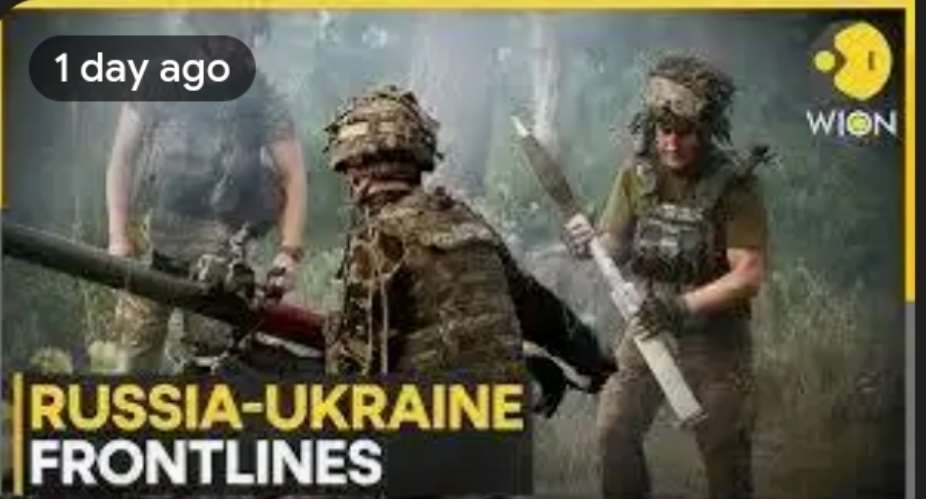
The current war began on February 24, 2022, when Russia launched a full-scale invasion of Ukraine. Russian President Vladimir Putin justified the invasion by claiming the need to protect Russian-speaking populations in Ukraine and to prevent NATO's eastward expansion. The conflict has since resulted in significant loss of life, displacement of millions, and widespread destruction.
KEY EVENTS AND TERRITORIES
One of the notable territories involved in the conflict is Snake Island, a strategically important outcropping in the Black Sea. Russia captured Snake Island on the first day of the invasion but was later driven out by Ukrainian forces on June 30, 2022. The island's control is crucial for dominating parts of the Black Sea and blockading Ukrainian ports.
SUGGESTIONS AND RECOMMENDATIONS FOR PEACE
Achieving lasting peace in the region requires a multifaceted approach:
1. Diplomatic Engagement: Establish a neutral mediator to facilitate peace talks between Russia and Ukraine. Ensuring guarantees for Ukraine’s sovereignty and security is crucial.
2. Economic Incentives: Offer Russia economic relief in exchange for a withdrawal from Ukrainian territories. This could be coupled with reconstruction aid for Ukraine to rebuild its infrastructure and economy.
3. Military De-escalation: Implement a ceasefire monitored by international peacekeeping forces to prevent further hostilities.
4. Global Cooperation: Strengthen international coalitions to address the root causes of the conflict, including energy dependency and regional security concerns.
5. Humanitarian Focus: Prioritize aid to alleviate civilian suffering and establish safe zones for displaced populations.
JUSTIFICATION FOR UKRAINE TO JOIN NATO AND THE EUROPEAN UNION
Ukraine's aspirations to join NATO and the European Union are driven by several factors:
1. Security Guarantees: NATO membership would provide Ukraine with security guarantees against further aggression. This is particularly important given Russia's history of military interventions in Ukraine.
2. Economic Integration: Joining the European Union would integrate Ukraine into the European economic system, providing access to markets, investment, and development funds. This would significantly boost Ukraine's economy and promote stability.
3. Democratic Values: Both NATO and the EU promote democratic values, rule of law, and human rights. Ukraine's membership would align it with these principles and support its democratic development.
4. Regional Stability: Ukraine's integration into NATO and the EU would contribute to regional stability by deterring further aggression and fostering cooperation among European nations.
THE POSSIBILITY OF RUSSIA WITHDRAWING FROM OCCUPIED UKRAINIAN TERRITORIES: Challenges and Pathways
The idea of Russia moving out of occupied Ukrainian territories is complex and challenging, but not entirely inconceivable. Several factors need to be considered to assess the feasibility of such a move:
1. Diplomatic Negotiations: Diplomatic efforts are crucial in persuading Russia to withdraw from occupied territories. Engaging in peace talks with the involvement of neutral mediators and international organizations can help create a framework for negotiations. Recent developments indicate that there have been discussions between key leaders, including the U.S. and Russia, to explore possible pathways to peace.
2. International Pressure: The international community plays a significant role in applying pressure on Russia to withdraw. Sanctions, diplomatic isolation, and economic incentives can be used to encourage Russia to comply with international law and respect Ukraine's sovereignty. The United Nations and other international bodies have condemned Russia's annexation of Ukrainian territories and called for their return.
3. Ukrainian Resistance: The resilience and determination of the Ukrainian people and military have been instrumental in reclaiming some of the occupied territories. Continued support from international allies in terms of military aid, training, and intelligence can bolster Ukraine's efforts to regain control over its land.
4. Economic and Security Guarantees: Offering Russia economic relief and security guarantees in exchange for withdrawing from occupied territories can be a viable approach. This could involve lifting certain sanctions, providing economic aid, and addressing Russia's security concerns through diplomatic channels.
5. Long-term Peace Agreement: A comprehensive peace agreement that addresses the root causes of the conflict and ensures the security and sovereignty of Ukraine is essential. This agreement should include provisions for the withdrawal of Russian forces, the return of occupied territories, and mechanisms for monitoring and enforcing compliance.
In conclusion, the Russian-Ukraine war is a multifaceted conflict with deep historical roots and significant geopolitical ramifications. Achieving lasting peace necessitates a blend of diplomatic efforts, economic incentives, military de-escalation, and global cooperation. Ukraine's aspirations to join NATO and the European Union are well-founded, driven by the need for enhanced security, economic integration, adherence to democratic values, and regional stability.
While the withdrawal of Russian forces from occupied Ukrainian territories presents significant challenges, it remains a viable goal. Through a strategic combination of diplomatic negotiations, international pressure, Ukrainian resilience, and economic incentives, the international community can work towards a peaceful resolution to the conflict, ensuring stability and prosperity for the region.
Retired Senior Citizen
Teshie-Nungua


 ‘Too arrogant, too sure of itself’ France confronts its legacy in Africa
 Nigeria's unwritten power-sharing rule looms over presidential race
 Several killed, dozens wounded in Jordan church shooting
 ‘I killed lots of terrorists, but it didn’t make me feel better’: The trauma hau...
 Casualties feared as multi-storey building collapses in Nairobi
 Cabinet approves bill to regulate public relations practice – Shamima Muslim
 Bawumia was right; NDC's economy is only on paper, not in people's pockets – Kwa...
 NDC should credit Bawumia for introducing gold-for-reserves policy – Kwadwo Poku
 Obuasi SHTS sex scandal: Gender Ministry deploys team to support affected studen...
 Adwoa Safo's Dome-Kwabenya comeback bid must push Elikplim Akurugu to deliver mo...


