




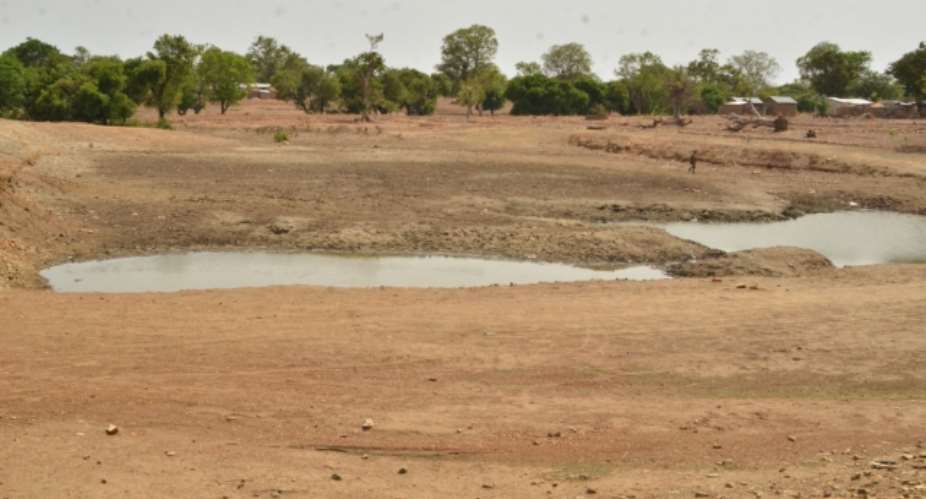
The "1 Village 1 Dam" initiative was a flagship program of the Akufo-Addo and Bawumia administration, aimed at providing small-scale irrigation dams to villages in the northern regions of Ghana. The project was intended to support all-year-round farming, enhance food security, and improve livelihoods.
Promises and Delivery
The government initially promised to construct 570 dams across the Northern, Upper East, and Upper West regions. However, the actual delivery fell short of this promise. As of the latest reports, approximately 439 dams were under construction, with 375 completed. Despite these numbers, many of the completed dams have been criticized for being poorly constructed and not serving their intended purpose.
Cost and Implementation
The cost of constructing these dams varied, with the smallest dam estimated to cost around GHS 2.5 million. However, research indicated that the average cost per dam was approximately GHS 670,000. The total expenditure on the project was significant, yet the outcomes did not match the investment.
Issues and Accountability
Many of the dams dried up during the dry season, rendering them useless for irrigation. The poor construction quality and lack of proper oversight were major issues. The Peasant Farmers Association of Ghana highlighted that the dams did not support dry season farming as intended. The Ghana Irrigation Development Authority (GIDA) was not involved in the design, construction, and supervision of the dams, contributing to the poor implementation.
Recommendations for Prosecution and Accountability
To ensure accountability and value for money, it is recommended that:
1. Audit the Project: Conduct a thorough audit of the 1 Village 1 Dam project to identify financial mismanagement and hold responsible parties accountable.
2. Prosecute Officials: Prosecute officials involved in the mismanagement and poor implementation of the project.
3. Improve Oversight: Ensure that future projects involve relevant stakeholders, such as GIDA and the Ministry of Food and Agriculture, to guarantee proper design and construction.
Recommendations for President Mahama's Administration
With the new administration under President John Dramani Mahama, it is crucial to learn from past mistakes and implement effective strategies for agricultural development. The newly appointed Minister for Trade, Agribusiness, and Industry, Elizabeth Ofosu-Adjare, can play a pivotal role in this regard.
1. Modernize Agriculture: Promote the adoption of modern farming techniques, technologies, and practices to increase productivity and efficiency.
2. Value Addition: Support smallholder farmers to access markets, processing facilities, and financial services to enhance their income and livelihoods.
3. Infrastructure Development: Prioritize infrastructure development in rural areas to support agricultural activities, such as the construction of roads, storage facilities, and market centers.
4. Climate-Smart Agriculture: Advocate for the adoption of climate-smart agricultural practices to mitigate the impact of climate change on agriculture.
5. Youth and Women Empowerment: Empower youth and women in agriculture by providing them with training, resources, and support to engage in farming and agribusiness activities.
In conclusion, the 1 Village 1 Dam project serves as a lesson in the importance of proper planning, oversight, and accountability in government initiatives. By addressing these issues and implementing the recommendations, the new administration can The "1 Village 1 Dam" initiative was a flagship program of the Akufo-Addo and Bawumia administration, aimed at providing small-scale irrigation dams to villages in the northern regions of Ghana. The project was intended to support all-year-round farming, enhance food security, and improve livelihoods.
Promises and Delivery
The government initially promised to construct 570 dams across the Northern, Upper East, and Upper West regions. However, the actual delivery fell short of this promise. As of the latest reports, approximately 439 dams were under construction, with 375 completed. Despite these numbers, many of the completed dams have been criticized for being poorly constructed and not serving their intended purpose.
Cost and Implementation
The cost of constructing these dams varied, with the smallest dam estimated to cost around GHS 2.5 million. However, research indicated that the average cost per dam was approximately GHS 670,000. The total expenditure on the project was significant, yet the outcomes did not match the investment.
Issues and Accountability
Many of the dams dried up during the dry season, rendering them useless for irrigation. The poor construction quality and lack of proper oversight were major issues. The Peasant Farmers Association of Ghana highlighted that the dams did not support dry season farming as intended. The Ghana Irrigation Development Authority (GIDA) was not involved in the design, construction, and supervision of the dams, contributing to the poor implementation.
Recommendations for Prosecution and Accountability
To ensure accountability and value for money, it is recommended that:
1. Audit the Project: Conduct a thorough audit of the 1 Village 1 Dam project to identify financial mismanagement and hold responsible parties accountable.
2. Prosecute Officials: Prosecute officials involved in the mismanagement and poor implementation of the project.
3. Improve Oversight: Ensure that future projects involve relevant stakeholders, such as GIDA and the Ministry of Food and Agriculture, to guarantee proper design and construction.
Recommendations for President Mahama's Administration
With the new administration under President John Dramani Mahama, it is crucial to learn from past mistakes and implement effective strategies for agricultural development. The newly appointed Minister for Trade, Agribusiness, and Industry, Elizabeth Ofosu-Adjare, can play a pivotal role in this regard.
1. Modernize Agriculture: Promote the adoption of modern farming techniques, technologies, and practices to increase productivity and efficiency.
2. Value Addition: Support smallholder farmers to access markets, processing facilities, and financial services to enhance their income and livelihoods.
3. Infrastructure Development: Prioritize infrastructure development in rural areas to support agricultural activities, such as the construction of roads, storage facilities, and market centers.
4. Climate-Smart Agriculture: Advocate for the adoption of climate-smart agricultural practices to mitigate the impact of climate change on agriculture.
5. Youth and Women Empowerment: Empower youth and women in agriculture by providing them with training, resources, and support to engage in farming and agribusiness activities.
In conclusion, the 1 Village 1 Dam project serves as a lesson in the importance of proper planning, oversight, and accountability in government initiatives. By addressing these issues and implementing the recommendations, the new administration can ensure the success of future agricultural projects and contribute to the overall development of Ghana.
#Retired Senior Citizen
Teshie-Nungua the success of future agricultural projects and contribute to the overall development of Ghana.
#Retired Senior Citizen
Teshie-Nungua

 Police place GH¢100,000 bounty on man for killing two people in Tema
 Ultraviolet sterilisation mandatory for safe water production — FDA warns sachet...
 Cocoa smuggling: Fiapre Circuit Court grants GHC10,000 bail each to four suspect...
 Tensions rise in Bogoso as youth block mine workers over employment dispute
 Police declare military officer wanted over alleged murder of couple, announce G...
 University of Ghana distances itself from unauthorised ‘UG Partner’ app, warns p...
 Ghana's inflation rises marginally to 3.4% in April, up from 3.2% in March — GSS
 Inflation rises to 3.4% in April
 Court remands three suspects over jewelry shop robberies at Airport Residential ...
 Release ex-Buffer Stock CEO and wife immediately — Afenyo-Markin to EOCO, AG


