




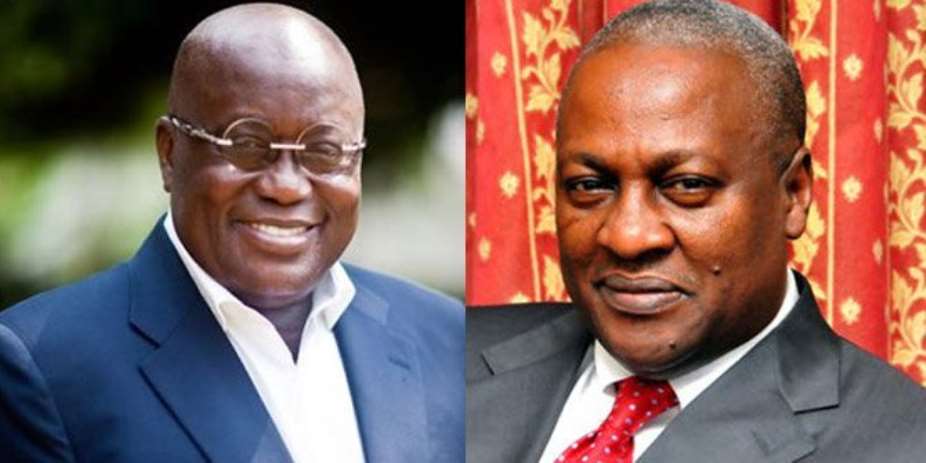
The political landscape in Ghana has seen significant shifts with the transition from President Akufo-Addo to President Mahama. This article explores the current situation under President Mahama, comparing it with the tenure of President Akufo-Addo, and examines public opinion, policy promises, and the role of digital literacy and misinformation.
Current Situation Under President Mahama
President Mahama has faced criticism for the slow pace of presenting a list of appointees to parliament for approval. This delay has been a point of contention among political opponents who argue that it hampers the effective functioning of the government. However, Mahama's administration has emphasized the importance of careful selection to ensure competent and qualified individuals are appointed¹.
Comparison with President Akufo-Addo's Tenure
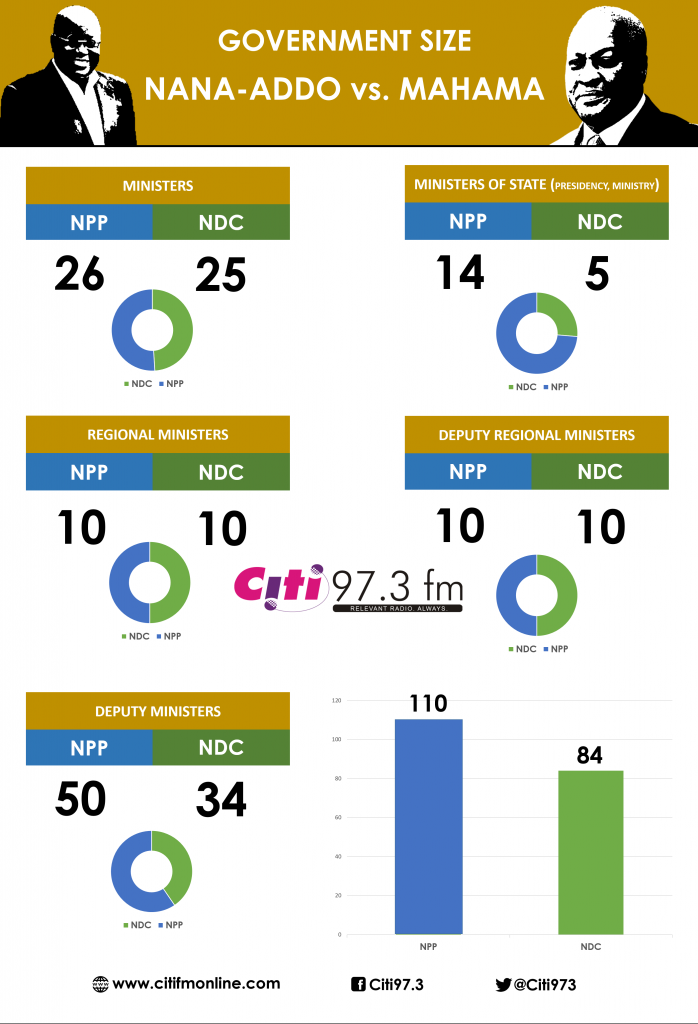
During President Akufo-Addo's tenure, the process of appointing officials was relatively swift, but it faced its own set of challenges, including accusations of favoritism and inefficiency². Akufo-Addo's administration was marked by a focus on macroeconomic stabilization and infrastructure development, but it also faced criticism for rising public debt and economic challenges³.
Public Opinion on NPP MPs' Stance
NPP MPs have expressed concerns about President Mahama's promise to cancel nuisance taxes, arguing that it could negatively impact government revenue. Public opinion is divided, with some supporting the move as a relief for citizens, while others fear it could lead to budget deficits⁴. Recommendations suggest a balanced approach, where the government gradually phases out these taxes while identifying alternative revenue sources⁵.
President Mahama's Promise to Reduce the Number of Ministers:
President Mahama has successfully delivered on his commitment to streamline the government by reducing the number of ministries from 30 to 23. This consolidation effort is widely regarded as a strategic move to enhance governmental efficiency and cut down on public expenditure. The decision has garnered praise for its potential to create a more focused and effective administration, while also silencing critics who questioned Mahama's dedication to this promise.
Advice to NPP Communicators
It is advisable for NPP communicators to refrain from attacking President Mahama prematurely. Given that his administration is still in its early stages, it is important to allow time for policies to take effect and for the government to demonstrate its capabilities⁷. Constructive criticism and collaboration could be more beneficial for the country's progress.
Digital Literacy and Misinformation
In the digital age, misinformation can spread rapidly, influencing public opinion and political discourse. Enhancing digital literacy among citizens is crucial to combat misinformation. Educational programs and campaigns can help individuals critically evaluate information sources and verify facts before sharing⁸.
Successful Anti-Corruption Measures
Several countries have implemented successful anti-corruption measures that Ghana can learn from. For instance, the UK's use of Unexplained Wealth Orders (UWOs) and Account Freezing Orders has been effective in identifying and seizing assets obtained through corruption. Additionally, Estonia's comprehensive national anti-corruption strategy has significantly reduced corruption levels.
The transition from President Akufo-Addo to President Mahama brings both challenges and opportunities. While criticisms and concerns are natural, it is essential to give the new administration time to implement its policies and demonstrate its effectiveness. Enhancing digital literacy and learning from successful anti-corruption measures can further strengthen governance and public trust in Ghana.
#Retired Senior Citizen
Teshie-Nungua
I hope this comparative analysis provides a comprehensive overview of the current political scenario and offers valuable insights. If you have any further questions or need to provide additional information visit the comments section.
Reference Sources:
- [ModernGhana] (Mahama should swiftly reverse Akufo-Addo's suspension of diplomatic ties with SADR — Sulemana Braimah)
- [GhanaWeb] (https://www.ghanaweb.com/blogs/spencerwan/All-of-Akufo-Addo-039-s-MMDCEs-are-fired-by-Mahama-7304)
- [ModernGhana] (Comparative Analysis: Mahama vs. Akufo-Addo/Bawumia leadership )
- [OkayAfrica] (https://www.okayafrica.com/ghana-new-president-mahama-plans/)
- [ModernGhana] (Comparative Analysis: Mahama vs. Akufo-Addo/Bawumia leadership )
- [BusinessGhana] (https://www.businessghana.com/site/news/general/320757/President-Mahama-revokes-appointments)
- [ModernGhana] (Comparative Analysis: Mahama vs. Akufo-Addo/Bawumia leadership )
- ⁸: [Norton Rose Fulbright] (https://www.nortonrosefulbright.com/-/media/files/nrf/nrfweb/imported/countries-curbing-corruption---top-26-report.pdf)
- [Simmons & Simmons] (https://www.simmons-simmons.com/en/publications/ckdsmre4v0iij0979jhyw5073/how-is-the-uk-s-5-year-anti-corruption-strategy-progressing-)
- [JusScriptum Law] (https://www.jusscriptumlaw.com/post/the-global-fight-against-corruption-strategies-and-success-stories)

 ‘Father-for-all please pardon Chairman Wontumi to increase your glory' - Former ...
 [Full Text] Minority Caucus in Parliament react to High Court conviction of Wont...
 Tiktoker ‘bawumia ba’ re-arrested over alleged offensive conduct
 Minority criticises court for piercing Akonta Mining's corporate veil and holdin...
 Wontumi's conviction was based on assumptions with no evidence — NPP alleges
 Galamsey prosecutions should not end with Wontumi's sentence — Prof Agyemang-Dua...
 Attorney General was very efficient in Wontumi's Samreboi case — Martin Kpebu
 Ghana has lost a statesman among traditional rulers — Mahama mourns Yaa Naa
 Mahama Rallies ECOWAS: “Differences Must Not Divide West Africa”
 “I’ll Put My Life on the Line!” — Appiah‑Kubi Questions Basis of Wontumi’s Galam...

