




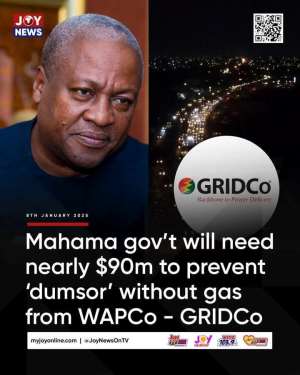
The National Democratic Congress (NDC) has secured political power, but their transition from campaigning to governing appears incomplete. Barely three days into their administration, key spokespersons and notable supporters, including members of civil society organizations like H Kwasi Prempeh, Samson Anyenini of Joy FM, Kofi Asare of Africa Education Watch, and @Musah Dankwah of Global Info Analytics, seem unable to let go of the campaign fervor. Instead of focusing on solutions to the issues they promised to address, they persist in rhetoric that resembles an opposition campaign, shifting blame and deflecting responsibility from their newly acquired mandate.
This lingering campaign mentality undermines the essence of governance. Their constant allusions to the failures of the New Patriotic Party (NPP), rather than concrete plans for progress, reveal a subtle hope that the NPP remains in opposition for the foreseeable future. However, political history teaches us that no party holds perpetual dominance, nor can they dictate the trajectory of democracy. The NPP, rooted in the traditions of the UGCC and known for its resilience, has shown time and again its ability to adapt, endure, and rebound, reinforcing the cyclical nature of power in Ghana's political landscape.
The NDC campaigned on a platform of transformative policies and bold promises. As an opposition party, the NPP has a critical role in holding the government accountable. These promises were central to the NDC’s appeal to voters and must now translate into actionable governance. Accountability ensures that the NDC delivers on its mandate rather than dwelling on past shortcomings. Ghanaians entrusted them with power to bring about solutions, not excuses, and this trust must be honored.
It is essential to remind the NDC that governance is a continuum. Just as they will inherit the successes of the previous administration, such as the District Road Improvement Programme (DRIP) and other infrastructure projects, they must also embrace the challenges left behind. The problems they criticized during the campaign were the very reasons Ghanaians opted for change. Their mandate is not to lament these difficulties but to fix them, as the decision to govern carries with it the "egg shell rule": the fragility of leadership requires responsibility for both the good and the bad.
The transition from opposition to government is not merely symbolic; it demands a shift in focus from criticism to action. For the NDC, this is a defining moment to prove that their campaign promises were not hollow but rooted in a genuine commitment to improving the lives of Ghanaians. Anything short of this risks disillusionment among the electorate and strengthens the resolve of the NPP to reclaim power. Governance is not a continuation of campaigning—it is the realization of it.
Albert Opare - NPP-Suhum Constituency

 Bolgatanga: Man found dead by roadside in Sumbrungu as police investigate
 Ghana concludes cocoa freight negotiations for 2026/27 season
 Blakk Rasta accuses Gushegu NPP MP Alhassan Tampuli of funding Ghana Jollof atta...
 €225m Cocaine Shipment: Court to rule on bail application of six accused in 3.9-...
 BoG pilots cedi-based payment system for Ghana-China trade
 2026 BECE: Ten schools score zero percent in Adaklu as girls outperformed boys
 Gold shipments resume as Ghana rebuilds foreign exchange reserves — BoG governor
 ECG unions to stage nationwide protest over proposed private sector participatio...
 ‘That penalty is a joke’ — Queiroz rejects referee decision in Ghana’s loss to C...
 'Sceptics, naysayers, alarmists should be aware US ready to work with Ghana on r...



Comments
When NPP won in 2016 they kept blaming NDC for their failures, even after they secured second term.