




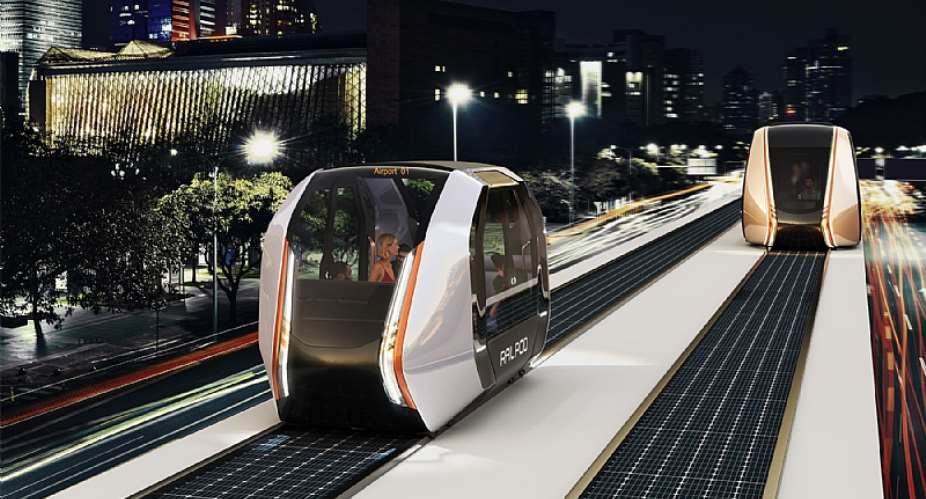
The advent of railbus technology represents a transformative leap in transportation efficiency and accessibility. This article delves into the pivotal role railbus systems play in modernizing transportation infrastructure, promoting sustainability, and enhancing commuter convenience.
Railbus systems offer unparalleled ease of mobility, streamlining travel between urban and rural areas. With designated routes and schedules, passengers benefit from reliable and punctual service, reducing commute times and alleviating traffic congestion. Moreover, the accessibility of railbus stations ensures connectivity to key destinations, enhancing overall transportation networks.
Investing in railbus infrastructure yields substantial economic benefits. By facilitating smoother commuting experiences, businesses thrive with increased workforce mobility and consumer accessibility. Additionally, the development of railbus networks stimulates job creation, ranging from construction and maintenance to operational roles, fostering local economic growth.
One of the most compelling reasons to adopt railbus systems lies in their environmental sustainability. Unlike traditional modes of transportation reliant on fossil fuels, railbuses operate on electricity or alternative fuels, significantly reducing carbon emissions and mitigating air pollution. By promoting eco-friendly travel options, railbus initiatives contribute to global efforts in combating climate change and preserving natural ecosystems.
Railbus technology represents a pinnacle of innovation in mass transit systems. Integrating state-of-the-art features such as regenerative braking, smart ticketing systems, and advanced safety measures, railbuses ensure a seamless and secure travel experience for passengers. Moreover, ongoing research and development efforts continually enhance the efficiency and sustainability of railbus operations, driving progress in the transportation sector.
Beyond the realm of transportation, railbus systems have profound social implications. They foster inclusivity by providing accessible transportation options for individuals with disabilities and marginalized communities. Furthermore, by connecting remote regions to urban centers, railbus networks promote equitable development and alleviate socioeconomic disparities, fostering cohesive and resilient communities.
In conclusion, the integration of railbus systems into national transportation frameworks is imperative for fostering sustainable development, enhancing mobility, and improving quality of life. By embracing this innovative mass transit solution, countries can embark on a path towards a more interconnected, prosperous, and environmentally conscious future.
Written by : Salia Ahmed (Promoter Koolic)

 Here are four steps outlined by Lands Commission for conducting online land sear...
 Appointing NDC’s Emelia Agbenyo to EC part of 'reset' to 'tilt the balance of pa...
 14-year-old JHS student dies after allegedly setting herself ablaze at Mpraeso A...
 Attorney General proposes independent disciplinary framework for lawyers
 Ghana's religious diversity is our most precious possession — Mahama
 Assemblies of God to loan 10,000-seater dome to Foreign Affairs for Ghana at 70 ...
 Ghana is safer now than before — Mahama
 Court dismisses Afenyo-Markin’s GH¢15m defamation suit against Sammy Gyamfi over...
 NDC’s Affi Agbenyo appointment seeks to balance EC’s partisan composition – Hamz...
 Majority's accusation against Asafo Adjei to divert attention from South Africa ...


