




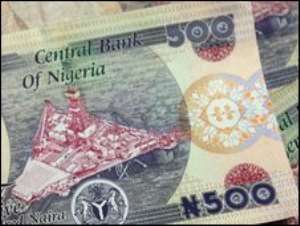
Nigeria's monetary policy plays a crucial role in shaping the country's economy. The Central Bank of Nigeria (CBN) formulates and implements monetary policy to achieve specific macroeconomic objectives. Some ways in which Nigeria's monetary policy can affect the economy include:
1. **Inflation Control**: One of the primary objectives of monetary policy is to control inflation. If the CBN believes that inflation is rising beyond the target range, it may increase interest rates to reduce aggregate demand and curb inflationary pressures. On the other hand, if inflation is low, the CBN may lower interest rates to stimulate economic growth.
2. **Exchange Rate Stability**: Nigeria's monetary policy can influence the exchange rate of the Naira against other foreign currencies. By adjusting interest rates and managing foreign exchange reserves, the CBN can stabilize the Naira's value, which in turn affects international trade, investment, and the cost of imports.
3. **Interest Rates and Investment**: The level of interest rates set by the CBN can impact investment decisions in Nigeria. Higher interest rates can lead to lower investment, as borrowing becomes more expensive for businesses and individuals. Conversely, lower interest rates can stimulate investment and boost economic activity.
4. **Credit Availability**: The CBN can influence the availability and cost of credit in the economy through its monetary policy tools. By adjusting the reserve requirements of banks or setting benchmark interest rates, the CBN can encourage or discourage lending, which can impact consumption, investment, and overall economic growth.
5. **Economic Growth**: The overall goal of monetary policy in Nigeria is to promote sustainable economic growth and stability. By maintaining price stability, managing inflation, and supporting a conducive investment environment, the CBN aims to create conditions for long-term economic development and prosperity.
6. **Unemployment**: Monetary policy can also impact the level of unemployment in Nigeria. By stimulating economic growth through lower interest rates and increased credit availability, the CBN can create more job opportunities and reduce unemployment rates.
7. **Financial Market Stability**: The CBN's monetary policy decisions can affect the stability of Nigeria's financial markets. By providing liquidity, regulating banks, and monitoring market conditions, the CBN aims to ensure the smooth functioning of the financial system and prevent crises that could disrupt economic activity.
Overall, Nigeria's monetary policy plays a critical role in shaping the country's economic performance, influencing factors such as inflation, exchange rates, investment, economic growth, unemployment, and financial market stability. By implementing effective monetary policies, the CBN seeks to support a stable and prosperous economy for the benefit of all Nigerians.


 Mahama inaugurates five-member Independent Fiscal Council, demands objective ove...
 Trump tells Putin he wants swift end to Ukraine war, Kremlin says
 Poor refereeing destroying Ghana's football — Mahama
 No businessman will sponsor NPP again because of its ‘evil and greedy nature’ – ...
 Failure to jail corrupt NPP officials will haunt NDC in election 2028 – Hopson A...
 Illegal miner who posed as pastor to defile student jailed 15 years
 Mamprugu Youth calls for crackdown on fake Facebook accounts over alleged false ...
 Mahama appoints Dr Abdul-Baasit Aziz-Bamba as Acting Director-General of Value f...
 2024 teacher recruits’ salary arrears processed — GES
 NPP's failure to continue E-blocks projects worsened SHS placement crisis — Tank...

