




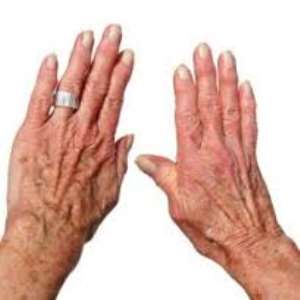
Rheumatic diseases affect your joints and muscles. Some, like osteoarthritis , are the result of wear and tear. Others, such as rheumatoid arthritis , are immune system problems.
Your treatment plan will likely include medications , regular exercise , a healthy diet, stress management , and rest.
A doctor who specializes in these conditions, called a rheumatologist , can help you find the best ways to manage your condition.
Years ago, conditions like this fell under the broad heading of rheumatism. Now there are more than 100 distinct rheumatic diseases. Get to know the most common ones.
Osteoarthritis (OA)
Osteoarthritis damages cartilage, the cushiony material on the end of bones. As it wears down, joints hurt and it becomes harder to move. It usually affects the knees , hips, lower back, neck, fingers, and feet.
Symptoms:
- Pain
- Swelling
- Warmth
- Stiffness
Muscle weakness can make joints unstable. Depending on what parts of the body it affects, OA can make it hard to walk, grip objects, dress, comb hair , or sit.
Diagnosis: Your doctor will ask about your medical history and symptoms. You'll also get a physical exam . You may also need to get blood tests or let your doctor take a sample of fluid from an affected joint.
Usually by the time someone with OA seeks treatment, there are changes visible on an X-ray of the joint. The X-ray may show narrowing of the joint space or the presence of bone spurs . In some cases, MRI ( magnetic resonance imaging ) may be done.
Rheumatoid Arthritis (RA)
RA happens when the immune system attacks your own tissues and causes joint pain , swelling, and stiffness. It's not part of normal aging.
Symptoms:
- Pain and swelling in multiple joints (usually the same joints on both sides of your body, like both wrists or both ankles)
- Problems in other organs such as eyes and lungs
- Joint stiffness, especially in the morning
- Fatigue
- Lumps called rheumatoid nodules
Diagnosis: You'll get a checkup and tell your doctor about your health history. You may need X-rays, blood tests, and samples of your joint fluid.
Lupus
Lupus (also called SLE or systemic lupus erythematosus) is an autoimmune disease . It can affect many organs in your body.
Symptoms:
- Joint pain
- Fatigue
- Joint stiffness
- Rashes, including a “butterfly” rash across the cheeks
- Sun sensitivity
- Hair loss
- Blue or white fingers or toes when exposed to cold (called Raynaud’s phenomenon)
- Problems in other organs such as the kidneys
- Blood disorders, such as anaemia and low levels of white blood cells or platelets
- Chest pain from inflammation of the lining of the heart or lungs
- Seizures or strokes

Ankylosing Spondylitis
Ankylosing spondylitis usually starts gradually as lower back pain . It usually involves the joints where the spine attaches to the pelvis, known as the sacroiliac joints.
Ankylosing spondylitis is more common in young men, especially from the teenage years to age 30.
Symptoms:
- Gradual pain in the lower back and buttocks
- Lower back pain that worsens and works its way up the spine
- Pain felt between the shoulder blades and in the neck
- Pain and stiffness in the back, especially at rest and when getting up
- Pain and stiffness get better after activity
- Pain in the middle back and then upper back and neck (after 5-10 years)
If the condition worsens, your spine may become stiffer. It may become hard to bend for everyday activities.
Diagnosis: Your doctor will give you a physical exam and ask you about your medical history. You may get X-rays of your back, looking at the sacroiliac joints. A blood test for a protein called HLA-B27 may help confirm a diagnosis.
Sjogren’s Syndrome
What it is: Sjogren’s syndrome causes parts of your body to dry out, like the eyes or mouth . Some people also have RA and lupus. Others just have Sjogren's. The cause is unknown, but it happens when your immune system attacks those body parts. It’s more common in women than men.
- Dry eyes (the glands in eyes don't make enough tears)
- Eye irritation and burning
- Dry mouth (the glands in mouth do not make enough saliva)
- Tooth decay, gum disease, or thrush
- Swollen glands on the sides of the face
- Joint pain and stiffness (rarely)
- Internal organ diseases (rarely)
Diagnosis: Your doctor will do a physical exam and ask about your medical history. You may also get other tests. To confirm the diagnosis, your doctor may do a biopsy , taking tissue from your inner lip to check in a lab.
 NACOC raids Central University, arrests 5 students in possession of wee-infused ...
 Ireland deports 42 South Africans
 Chief Justice Baffoe-Bonnie's Canada trip self-funded — Judicial Service
 Ghana summit charts path from 'recognition to action' on slavery reparations
 Boakye Agyarko is best suited to lead NPP as National Chairman – Kpandai MP
 African Union condemns deadly Niamey airport attack, pledges support to Niger
 Don’t see Ken’s comment as war but opportunity for reconciliation — Kwasi Kwarte...
 Kennedy Agyapong’s claim Defence Committee was stopped from visiting Afari Milit...
 'We only corrected a miscommunication' — Agric Minister dismisses rift with Fina...
 Ghana invests too little in early childhood despite 80% poverty rate among under...


