




Each of us have once been a child, and we are all witness that we never called to be born where to be born and how to be born, so accepting a child as a full member of a society where he was born is not too much of a gesture.
This is one argument that have been making wave in Italy for sometimes now; especially that the right protagonists, the children of migrants whom the Italian state has not acknowledged as Italian citizens are fast increasing in numbers, and so is their growing muscle to confront the state for their right of citizenship.
The argument was further illuminated in Verona last Friday night (29th July 2011), by “18 IUS Soli”, a documentary which is yet to be released but already hitting up the issue of Italian citizenship for the children of migrants in the country. It was during a three days summer event, organised by the Comboni missionaries in Verona, titled: WHAT A SUMMER!
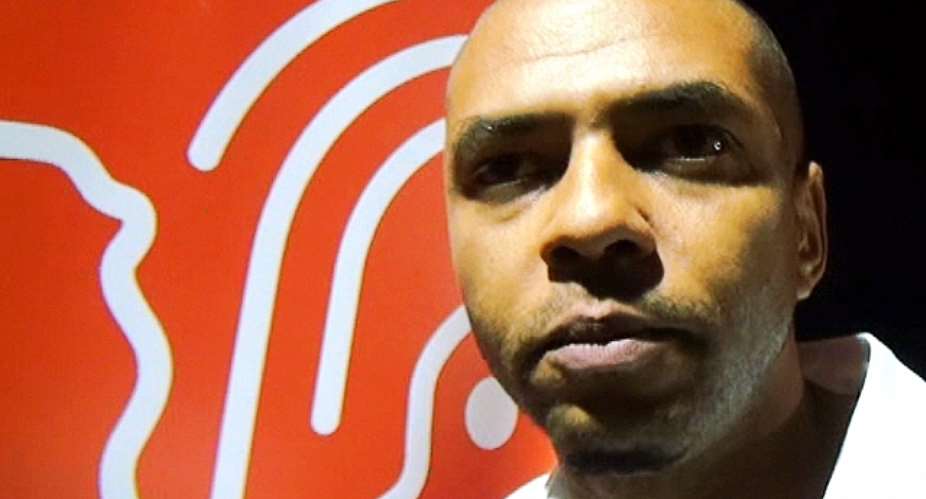
The producer, Mr. Fred Kuwornu is part of what constitute the argument. His father is from Ghana and his mother an Italian.
In the wide range of interview he conducted, a lot of the so-called Second Generation, the children of migrants in Italy who are the direct protagonists were highly enthusiastic to share their testimonies.
In pouring out their frustration and determination to face the future, they were not only provoking, showing that they are just as Italians as the children of Italian parents, mastering the Italian culture, singing the Italian national anthem and even ready to serve in the Italian armed forces. They equally challenged the very bureaucracy in the Italian citizenship affair, demonstrating that their lives began in Italy.
“Even though I do not have Italian citizenship, I feel that I'm an Italian, for the fact that I was born here. If I do not feel to be Italian, what should I feel?” Aravinda, one of the young interviewees, with Sri Lankan parents.
“…they wrote for me: born in Nigeria… I was not born in Nigeria; I was born in Rome,” Valentino, another interviewee, with Nigerian parents.
At the end of the documentary, I asked the director, Mr. Fred Kuwornu why he decided to make his video and he said:
“18 IUS Soli was born two years ago when I found out, unfortunately, that the children who are born by migrants in Italy are not recognised as citizens. I said to myself: how is it possible? All the children that I know who have different skin colour, of parents of African origin, South America and Asia… I thought they were all Italian citizens.
The children that are born by migrants in Italy are many, about 900 000 and they are not citizens of Italy. They have to wait until they are 18 years of age before they can apply for the right of Italian citizenship, and sometimes they are not even given. This leaves them with the option of going around with the permit of stay as if they have just arrived in Italy a mouth earlier.”
The bad news is that within the Italian immigration laws or at least the application of the laws, there is a syndrome which has nearly grown into a philosophy.
To have a permit of stay in Italy, you need to have a work and to have a work you need to have a permit of stay. It sometimes can even be more complicated for the thousands of Africans who are regularly trooping to Italy, thinking that it's a paradise. Not sooner they have entered do they usually understand that the Italian immigration situation is far different from what they might have dreamt of in Africa.
Many Africans have wasted a precious part of their lives waiting to have the Italian permit, so they can stay and work in the country and when they do have it they will almost be as pathetic as when they never did.
A visiting Kenyan woman from the Netherlands who was told of Fred's argument found the story unbelievable and she asked:
“Is this not against the Geneva Convention on human right?”
While we cannot immediately verify whether that can be true or not, one thing will remain certain. In the years to come, the tussle of legality between the Italian state and the army of children who want to be recognised as citizen in the society they were born will surely get much tougher.
For several years now, the Italian population demography, predominantly old people, a characteristic of the larger western societies has almost been static at about 60 million. While at the level of productivity, few politicians have openly argued in favour of immigration, (with about 4 million migrants already in the country) in sustenance of the local economy, the state is unable to detach itself from bureaucracy and embrace a rare opportunity, recognising nearly a million children who were born in Italy by none Italian parents, as citizens of Italy.
Meanwhile the perceivable future shows that the Italian state is likely to lose, unless it changes its position on some immigration issues, such as this.
For example, it is true that a lot of educational and industrial trainings are not completely paid for in Italy, thanks to government subsidies. That means the Italian state has been spending a great percentage of its tax payers money in the training of some 900 000 children it does not consider as citizens.
The danger is that when these children get frustrated in the huddles of Italian business of legality, some might consider the option of abandoning the country into a more competitive market. And unlike other western countries as Germany or the United States where they would have long gotten their passports without extra bureaucratic hindrances and therefore the unlimited bond between them and the society they were born, their memories of Italy will fade away across the border.
This is the ugly situation Fred Kuwornu is addressing today with his documentary, so that tomorrow will be better both for the Italian state and the children that are born within its territory.
Ewanfoh Obehi Peter

 Obuasi SHTS alleged sexual abuse: Kwasi Kwarteng criticises Education Minister o...
 ECOWAS’ $250,000 flood relief donation arrives in Ghana – Ablakwa
 Kennedy Agyapong has not resigned from NPP – Kwasi Kwarteng
 State failure, not GoldBod, driving galamsey – Daryl Bosu
 A Rocha Ghana raises alarm over human rights abuses in mining communities
 ECOWAS, AfDB discuss ways to advance West Africa’s development priorities
 October 16: Cedi gains against dollar, sells at GHS12.25 on forex market, GHS11....
 Galamsey: Ghana’s rivers now run chocolate and milk colour — Sam Jonah
 A nation of job-seekers will always be poor — Sir Sam Jonah
 “If you attack us with pepper spray, we’ll fight back” — NDC Yakubu Tony Aidoo w...


