




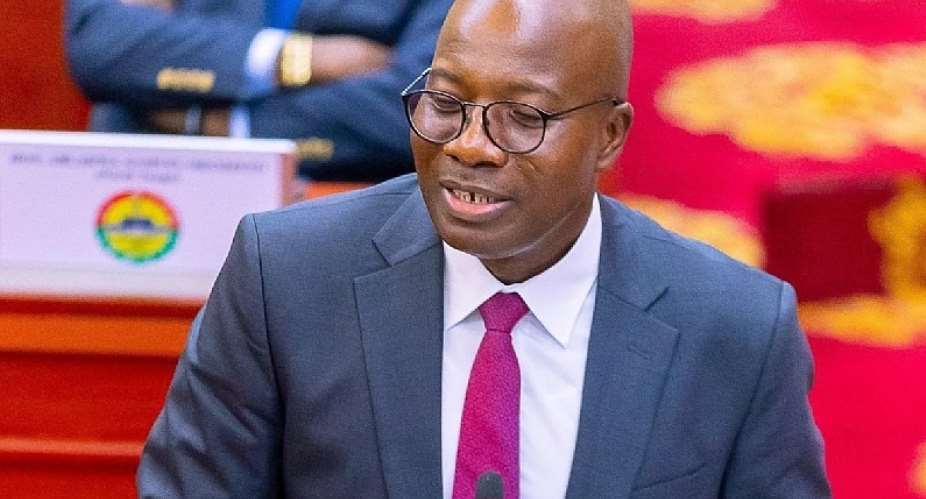
The Minister for Local Government, Chieftaincy and Religious Affairs, Mahama Ayariga, has tasked Metropolitan, Municipal and District Assemblies (MMDAs) to make hand hygiene a visible, costed and monitored component of their development plans.
He also called on traditional and religious leaders to make handwashing a regular part of community engagements and ensure that appropriate facilities are available in places where people gather.
Mr. Ayariga specifically urged chiefs and queen mothers to promote handwashing during durbars and community meetings, while Christian and Muslim leaders should provide functional handwashing facilities at the entrances, toilets and food preparation areas of places of worship.
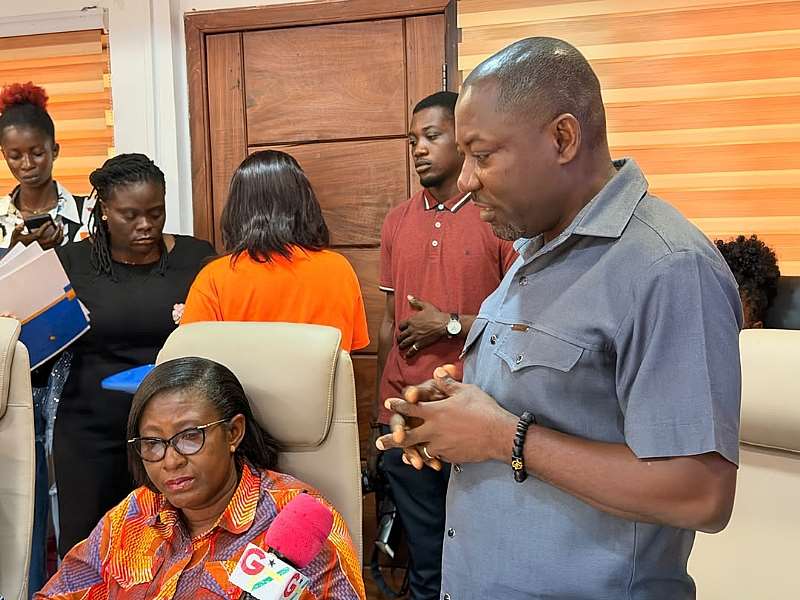
He made the call during the official launch of Ghana’s 2026 Global Handwashing Day commemoration in Accra on October 15.
Delivering the keynote address, Mr. Ayariga said this year’s local theme, “I am a Handwashing Hero,” represented a deliberate shift from creating awareness to encouraging practical action.
“A handwashing hero is anyone who practices handwashing with soap at critical moments and encourages others to do the same. Each of us can be a hero at home, in school, at work, in the market and in our communities,” he declared.
The Minister announced a policy shift under which hygiene would be assessed based on the functionality of facilities rather than merely their existence.
He said MMDAs would be assessed on whether handwashing facilities had soap and water, were accessible to children and persons with disabilities, and had adequate maintenance budgets.
“An assembly may install ten handwashing stations at a market and announce the achievement, but if three months later half have no water or soap, the real public health benefit cannot be realized. We must be careful not to reward construction while overlooking service delivery,” he declared.
Mr. Ayariga said the decentralised governance system, traditional authorities and religious institutions provided important channels for translating hygiene messages into sustained practices.
“We work through MMDAs, we engage our revered traditional authorities who command community respect, and we recognize the influence of religious institutions in shaping values. These are powerful channels for making hygiene messages practical and lasting,” he said.
He said handwashing must progress from knowledge to practice, from practice to habit and ultimately become part of the national culture.
“Handwashing is a simple act yet can make a real difference between staying healthy and falling ill. The question we must ask is, if it is so simple and so effective, why is it still not a dependable part of everyday life in every home, school, market, health facility, and workplace?” he asked.
The event was attended by representatives of UNICEF, the World Health Organisation (WHO), the World Bank, WaterAid, World Vision, CONIWAS, the Ghana Health Service, the Ghana Education Service, the Media Coalition Against Open Defecation (M-CODe), the private sector and traditional authorities.
Sanitation made KPI for MMDCEs
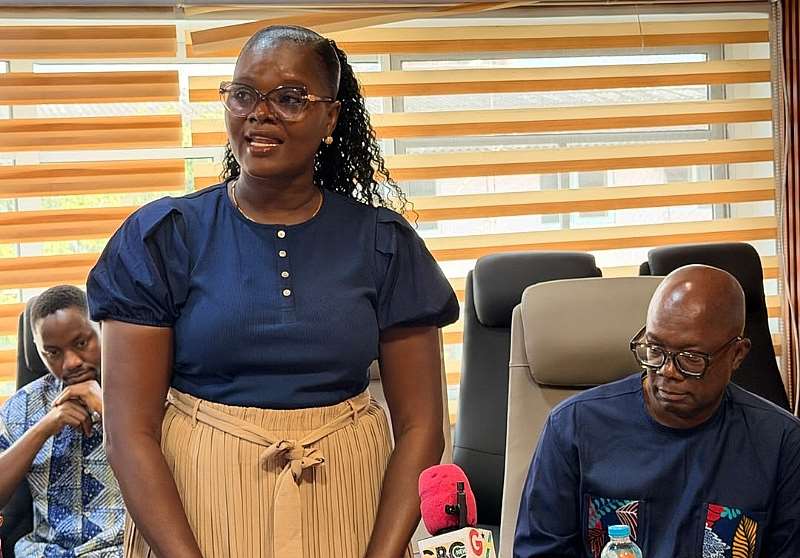
In her welcome remarks, the Deputy Minister for Local Government, Chieftaincy and Religious Affairs, Rita Naa Odoley Sowah, said the government had made sanitation performance a Key Performance Indicator (KPI) for all Metropolitan, Municipal and District Chief Executives (MMDCEs).
She said the policy demonstrated the government’s intention to move sanitation from the periphery of governance to the centre of local development.
According to Mrs. Sowah, with nearly 40 per cent of households still lacking access to household toilet facilities and significant numbers of people continuing to practise open defecation, sanitation could no longer be treated as a secondary concern.
She said sanitation had often been reduced to an environmental issue or a periodic clean-up exercise, despite its broader implications for governance, public health and economic development.
“The reality is quite different. Sanitation is a governance issue, a public health issue, an economic issue, a social responsibility issue, and above all, a development issue. The cleanliness of our communities influences the health of our citizens, the attractiveness of our towns and cities, the productivity of our workforce and the dignity of our people,” she stressed.
Mrs. Sowah said the performance of an Assembly should not be judged solely by the number of roads constructed or markets renovated, but also by the cleanliness, health and environmental conditions of its communities.
“A successful Assembly cannot be measured only by the number of roads constructed or markets renovated. The cleanliness, health, and environmental condition of communities must equally matter. An Assembly that cannot effectively manage sanitation will inevitably fail in public health and local economic development,” she stated.
She said the new KPI framework would strengthen accountability and reinforce the principle that local development and environmental cleanliness must advance together.
However, Mrs. Sowah cautioned that MMDCEs could not address the sanitation challenge alone and called for coordinated action among Ministries, Departments and Agencies (MDAs).
“Our institutions must work together. Our policies must complement one another. Our monitoring systems must measure real impact rather than simply report activities,” she charged.
The launch concluded with a symbolic handprint pledge, during which participants placed coloured handprints on a canvas as a personal commitment to practise and promote handwashing with soap.

 Abronye loses again as Court of Appeal dismisses bid to halt Samson Anyenini’s d...
 Over 30 women feared trapped in prostitution in Savannah as GIS arrests traffick...
 Govt pays GH¢24.8bn to statutory funds since January — Ato Forson
 Seven missing Axim fishing canoe crew located in Togo’s waters — Western Regiona...
 Health Ministry assures Ghanaians of readiness to manage Ebola cases
 FDA shuts down Arcan Bitters factory again over illegal production in Ashanti Re...
 PAC chair praises NPA CEO Edudzi Tameklo’s performance at committee hearing
 Ghanaian jailed nine months in US for using relative’s social security number to...
 Ukraine war: I'm going to Russia to convince President Putin to ceasefire — Maha...
 'Prof. Jane Naana is Vice President of Ghana; not for women and girls' — Victori...


