




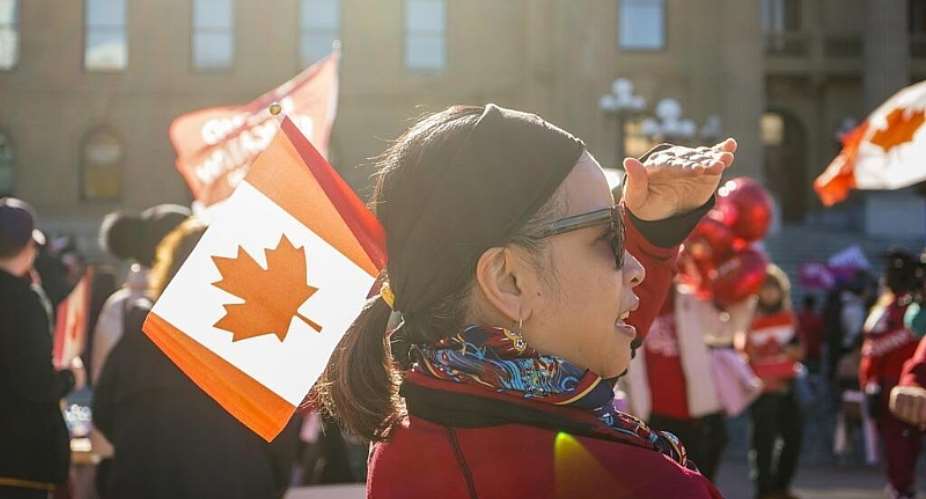
Alberta is putting its relationship with the rest of Canada under the spotlight – with a vote that could either bolster the independence movement or give supporters of national unity a decisive boost.
More than 1.35 million people, representing 43 percent of eligible voters, cast advance or special ballots before Monday's consultation. That comfortably exceeds the 810,000 who voted early in the 2023 provincial election.
Opinion polls put support for independence at roughly a quarter of Albertans. But Carney, who grew up in Edmonton, has urged voters to turn out rather than assume the result is settled.
“Canada is worth fighting for. And that means turning up and voting. Polls don't vote – people do,” he said while campaigning in the province.
Quebec separatist party wins provincial election in test of Canada's unity
What are Albertans deciding?
Monday's ballot contains 10 questions covering immigration, constitutional changes and Alberta's relationship with the federal government.
The most closely watched asks voters to choose between remaining a Canadian province and beginning the legal process required to hold a future, binding referendum on separation. The consultation itself does not authorise independence.
Premier Danielle Smith called the vote despite opposing separation. Her decision reflects pressure from independence activists within her governing United Conservative Party, some of whom helped bring her to power.
Separatist parties have largely struggled to establish an electoral foothold in Alberta, despite occasional breakthroughs – notably Western Canada Concept's 11.8 percent showing in 1982. Anger over pandemic restrictions and federal vaccine mandates helped mobilise activists and bring the issue into mainstream provincial politics.
For others, the grievances run deeper. They argue that governments in Ottawa can win elections through support in populous Ontario and Quebec while pursuing policies opposed by Alberta's energy industry.
Even a stronger separatist showing would leave major questions unresolved. Chief Sheldon Sunshine of Sturgeon Lake Cree Nation says Alberta cannot leave without First Nations' consent, citing treaties that predate the province. His nation, he says, would remain in Canada.
Canada and EU 'stronger together' says Carney, brushing aside US threats
Why are oil and the US central to the debate?
Alberta holds most of Canada's proven oil reserves, making its energy wealth a powerful argument for both camps.
Separatists say residents should benefit more directly from those resources and resent federal taxes and policies they believe constrain the industry.
Carney, meanwhile, sees Alberta's oil as part of a broader effort to diversify Canadian trade away from the US. He has backed a proposed pipeline to the Pacific coast, opening opportunities to reach Asian markets.
That approach has helped improve relations with Smith, who frequently clashed with his predecessor, Justin Trudeau. The two leaders now share a platform in opposing independence.
Macron welcomes Canada's Carney to French Atlantic territory
US President Donald Trump's trade war and threats to make Canada the 51st state have also strengthened Canadian nationalism. At Carney's rallies in Calgary and Edmonton, promises to expand trade beyond the US drew some of the loudest applause.
Separatist contacts with Washington have nevertheless stirred controversy. Independence advocate Jeff Rath and fellow campaigners have met US State Department officials three times to discuss Alberta's future.
Other separatists reject any prospect of joining the US. Keith Wilson, co-chair of Let Alberta Decide, says replacing Ottawa with Washington would offer little appeal.
Whatever Monday's result, activists say the campaign has already succeeded in making independence a major political issue. Rath says even 30 percent support for beginning the separation process would be an achievement.
(with newswires)


 Adu-Boahene’s lawyers ask court to strike out fabricated, invented evidence in D...
 'He is part of National Film Authority' – Kwasi Kwarteng exposes Obuasi SHTS hea...
 'Mahama should have appointed Edudzi Tameklo to EC to teach hypocrite NPP some s...
 'You have no moral right to complain about cost of living' – Prof Anankware to B...
 'You did the same thing' – Solomon Owusu defends EC appointment
 GFL vows to pursue justice for worker who lost five fingers at Afienya Industria...
 State to call first witness on January 12 in Canadian murder case
 Haruna Iddrisu refers Obuasi SHS headmaster's sexual misconduct allegations to C...
 Bawumia is a ‘prophet of pocket economy’ in opposition, ‘priest of paper economy...
 Bolgatanga Technical University Council Chairman allegedly locks up Vice-Chancel...


