




In September 1996, the peaceful, serene air of Owerri, the heartland of Imo State, was shattered by an atrocity so grotesque that it fundamentally altered the consciousness of a nation. Owerri had long been known as a quiet, hospitable city, where families raised their children with simple values and honest labour. But underneath this calm surface, a dark, sinister undercurrent was brewing, a culture of unexplainable, overnight wealth where young men without visible means of income suddenly drove high-end luxury vehicles, erected sprawling mansions, and sprayed cash with wild abandon at events. The town whispered about ritual killings and secret cults, but no one could have anticipated the horrific trigger that would finally ignite the city's collective rage.
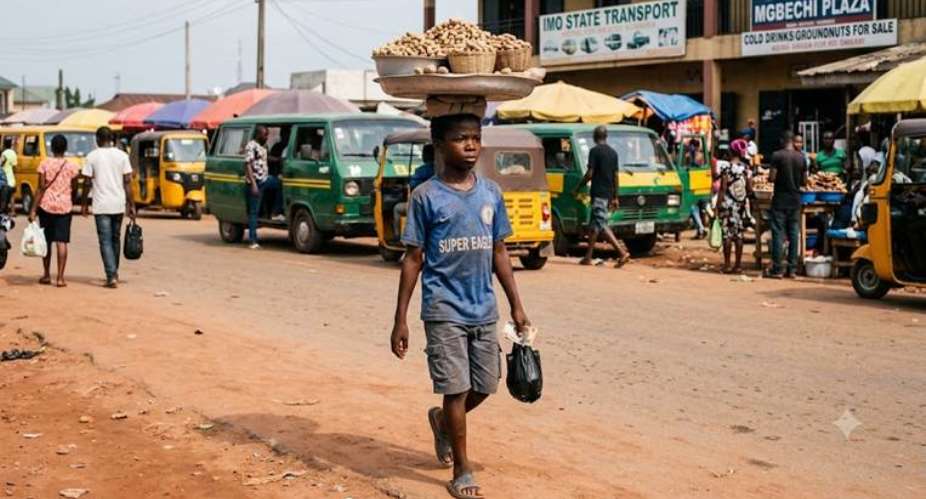
That trigger was an eleven year-old boy named Ikechukwu Okoronkwo. Ikechukwu was a child of humble circumstances, bright-eyed, innocent, and determined to help his family survive the harsh economic realities of the time. Every afternoon, after finishing his schoolwork, young Ikechukwu would take to the bustling streets of Owerri metropolitan city, balancing a tray of freshly roasted groundnuts on his head. With a warm smile and a gentle voice, he navigated the dusty roads, motor parks, and busy markets, calling out to passersby to purchase his nuts. To those who knew him, Ikechukwu was the definition of childhood innocence, a dutiful son doing honest work in a world that was increasingly worshipping quick, effortless riches.
On September 19, 1996, as the sun began to dip below the horizon, Ikechukwu’s innocent footsteps led him near the grounds of Otokoto Hotel, a popular commercial establishment located in the Amakohia area of Owerri. The hotel was owned by Chief Vincent Duru, a prominent figure locally known as "Otokoto." It was here that Ikechukwu was flagged down by Innocent Ekeanyanwu, a twenty-eight year-old groundskeeper and employee of the hotel. Pretending to be a hungry customer wanting to buy groundnuts, Ekeanyanwu lured the unsuspecting boy deep into the premises of the hotel.
Inside the dark walls of the establishment, far from the caring eyes of his mother, Ikechukwu's trust was met with unimaginable cruelty. He was drugged, overwhelmed, and brutally murdered for ritual purposes. His killers severed his small head from his body, harvesting his organs to be sold to wealthy patrons who believed human sacrifice could buy power, protection, and infinite riches. To conceal their monstrous act, the perpetrators dug a shallow, makeshift grave within the hotel grounds, hastily burying the headless, butchered torso of the child, believing the earth would forever keep their dark secret.
Fate, however, refused to let Ikechukwu's blood go so silently into the soil. Shortly after the murder, Innocent Ekeanyanwu boarded a commercial transport heading out of Owerri toward Eziama, carrying a heavy, dark polythene bag. As the vehicle bounced along the road, alert passengers noticed a thick, dark red liquid slowly oozing from the bag, dripping onto the floorboard of the bus. Suspecting something foul, the passengers raised an alarm, and law enforcement was alerted. When police officers intercepted Ekeanyanwu and forced him to open the dripping bag, a collective gasp of horror echoed through the air. Inside the bag was the freshly severed, bloody head of young Ikechukwu, his eyes forever frozen in terror.
Ekeanyanwu was immediately arrested and taken into police custody. News of the ghastly discovery spread through Owerri like wildfire, but what happened next transformed public shock into unbridled fury. The local television station, NTA Owerri, broadcast the news during its flagship 7:00 pm bulletin. In a harrowing and unforgettable broadcast, the police paraded Ekeanyanwu in front of the cameras. On live television, the suspect was made to hold up the severed head of the slain eleven year-old boy by his hair for the entire state to see.
The image of that innocent child’s head, held aloft like a trophy of ungodly greed, sent shockwaves through every home in Imo State. Families wept uncontrollably in their living rooms; mothers screamed in anguish, and fathers clenched their fists in helplessness. The sheer inhumanity of the sight broke the dam of restraint that had kept the populace quiet for years. The realization that their children were being hunted like animals by a cabal of wealthy ritualists shattered any remaining patience. Anger, raw and righteous, seized the soul of the city. By the next morning, the streets of Owerri vibrated in anger. Thousands of residents—mothers, youths, traders, students, and fathers—poured into the roads in a massive, spontaneous mob action. The city ground to a halt as an unstoppable wave of human fury marched toward the sites of systemic corruption and greed.
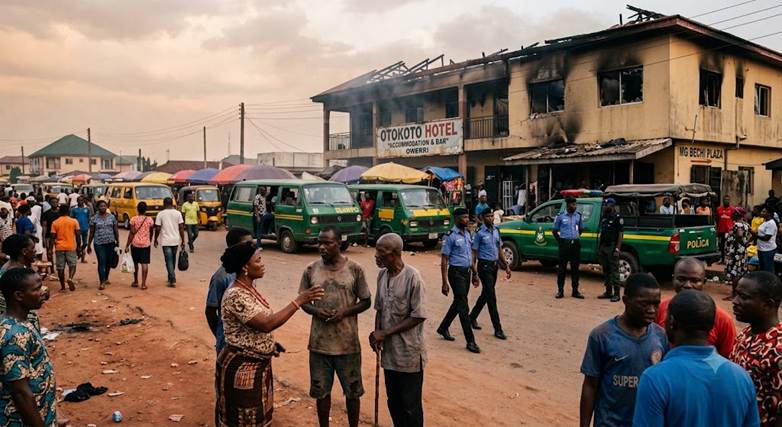
The first target was the Otokoto Hotel itself. The enraged mob invaded the premises, tearing down walls and setting the building ablaze. As they dug into the hotel grounds, they uncovered not just the shallow grave of Ikechukwu's headless torso, but the buried remains of other victims, confirming the horrific rumour that the hotel had been operating as a slaughterhouse for human ritual sacrifice.
The wrath of the populace did not stop there. The uprising quickly evolved into a revolutionary purge against the culture of unearned wealth and impunity. The mob turned its attention to the mansions, palaces, and businesses of citizens who had no visible or legitimate means of income but had been aggressively showing off humongous wealth. These overnight millionaires—locally referred to as "Nouveau Riche"—had spent years flaunting expensive luxury cars, building gaudy mansions in modest neighborhoods, and intimidating ordinary working people.
One after another, the extravagant residences of these suspect tycoons were identified, looted, and burned to the ground. Expensive luxury vehicles were flipped and set ablaze, reduced to charred skeletons on the asphalt. Palatial estates were dismantled brick by brick by citizens who felt that every pillar of those houses was cemented with the blood of innocent victims like Ikechukwu. For two straight days, smoke billowed across the skyline of Owerri as the people took justice into their own hands, burning down the symbols of greed and blood money while those who owned them fled for their lives. The military government of the state was forced to intervene, deploying troops to restore order, but the message had already been delivered. The police commenced sweeping arrests, detaining Chief Vincent Duru, several employees of the hotel, and high-profile individuals implicated in the syndicate. However, the tragedy deepened while the suspect was in custody: Innocent Ekeanyanwu died mysteriously in his police cell before he could testify in court, fueling widespread suspicion that powerful elites were attempting to silence him to protect themselves.
Despite the suspicious death of the key suspect, the state government launched a commission of inquiry and instituted formal criminal proceedings. The case lingered in the Nigerian judicial system for years, marked by intense legal battles, delays, and public scrutiny. However, the memory of Ikechukwu remained fresh in the minds of the people, keeping the pressure firmly on the judiciary.
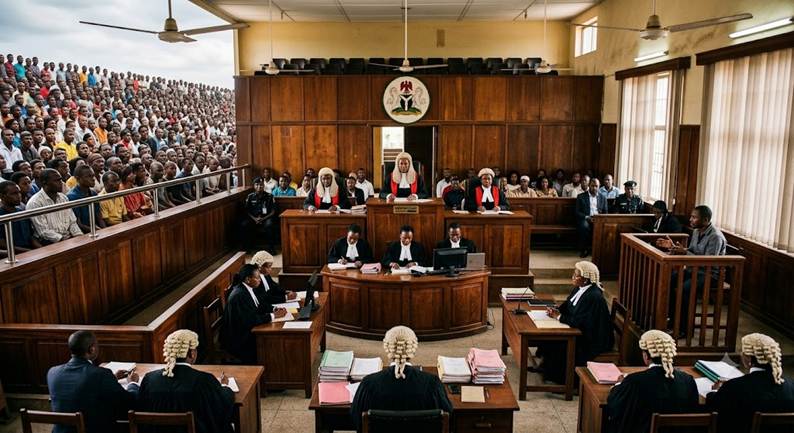
Finally, after years of legal proceedings, justice arrived. In 2003, the High Court in Owerri delivered its landmark judgment. Chief Vincent Duru and six others—including Leonard Unaegbu, Hubert Opara, Lorenzo Okolie, Ebenezer Egwuekwe, Nnaemeka Ugoor, and Lawrence Ekeanyanwu—were found guilty of murder and conspiracy. The presiding judge sentenced them to death by hanging, delivering a final judicial closure to the dark chapter that had begun seven years earlier.
The 1996 Otokoto incident remains one of the most poignant cautionary tales in modern Nigerian history. The moral lesson carved out of those bloody days is a stern and timeless warning against the unbridled pursuit of wealth at the expense of human life and moral integrity. It exposes the ultimate decay of a society that chooses to celebrate riches without questioning their source, proving that when wealth is detached from honest labour, it breeds monstrous cruelty. Above all, "the days Owerri vibrated in anger" served as a monumental reminder that while justice may sometimes be delayed, the collective conscience of a people will eventually rise to destroy any system that is built on wickedly shedding


 John Boadu comes nowhere near Asiedu Nketiah in terms of pedigree, gravitas, val...
 ‘If promotion arrears aren’t paid by October 30, I will have no honour’ – Haruna...
 GACL enhances screening at Accra International Airport
 Mahama to decide on permanent Ayalolo contra-flow system after Thursday review –...
 NPP elections: Kwadwo Bamba’s first vice chair victory was a big surprise – Prof...
 NPP Delta Force Commander Kojo Bamba elected First Vice Chairman
 GRA probes alleged GH¢600 extortion involving Customs officer at Accra Internati...
 “NPP has men, let us take machoism out' — Former Speaker Prof Oquaye on vigilant...
 Gov’t renames 24-hour economy markets as District Economy Markets, targets 100% ...
 BoG, Police arrest 7 in Accra over alleged use of cedi notes for money bouquets,...


