




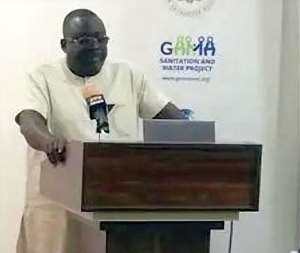
"Sanitation is not a municipal problem. It is a national security, health and economic problem," the Project Coordinator of the Greater Accra Metropolitan Area–Sanitation and Water Project (GAMA-SWP), Engineer George Asiedu, has stated.
Speaking on Thursday during a discussion on Metropolitan, Municipal and District Assemblies' (MMDAs) Key Performance Indicators (KPIs) on environment and sanitation, Engineer Asiedu argued that Ghana must move beyond treating sanitation as a fragmented municipal responsibility if it expects to achieve national development goals.
He stressed that decentralisation would only succeed if local governments are equipped with clear standards, adequate resources and strong accountability mechanisms.
"Decentralization will only have meaning when local government has clear standards, resources, and accountability. A National Sanitation Authority will provide that backbone. Without it, we are decentralizing problems, not solutions," he said.
Engineer Asiedu explained that the proposed National Sanitation Authority would consolidate policy formulation, regulation, infrastructure planning and monitoring under a single institution, replacing the current arrangement where sanitation responsibilities are spread across multiple agencies.
According to him, Ghana continues to lose hundreds of millions of cedis each year through poor sanitation, rising healthcare costs and reduced productivity.
"We cannot afford to keep managing this crisis in pieces," he stated.
Engineer Asiedu, who also served as Project Coordinator of the Greater Kumasi Metropolitan Area–Sanitation and Water Project (GKMA-SWP), made the remarks in the context of President John Dramani Mahama's directive making sanitation a key performance indicator for Metropolitan, Municipal and District Chief Executives (MMDCEs).
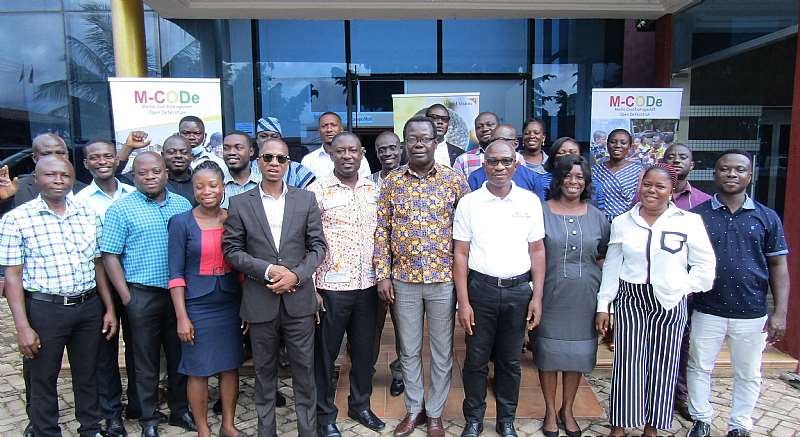
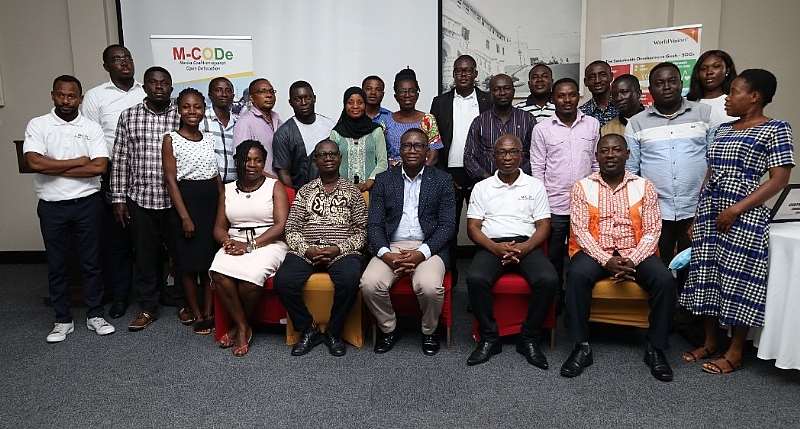
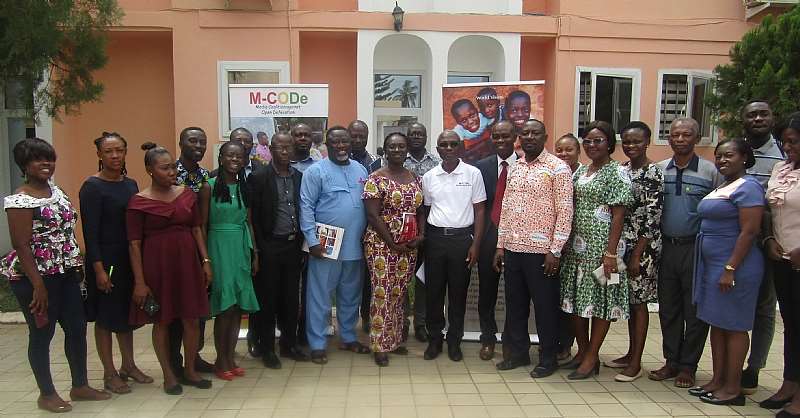
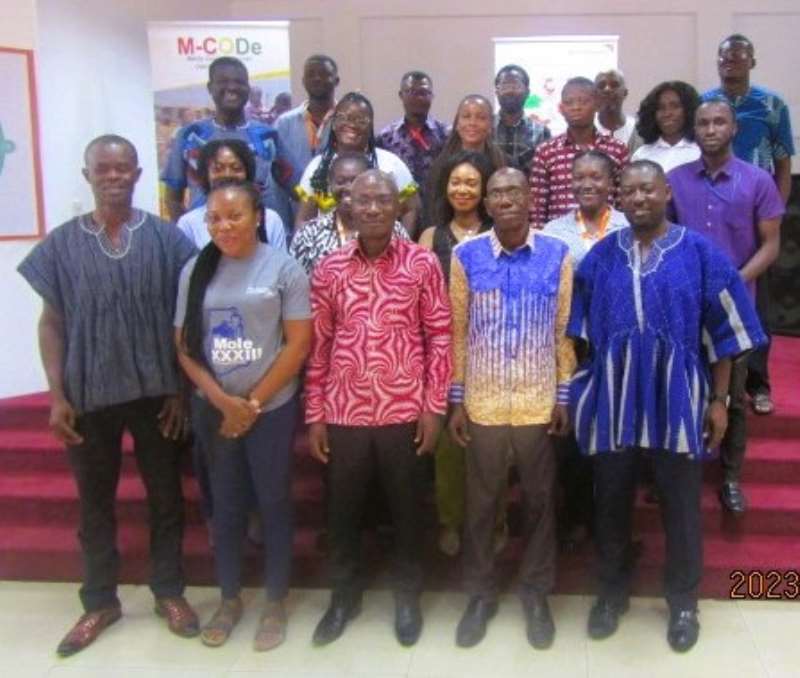
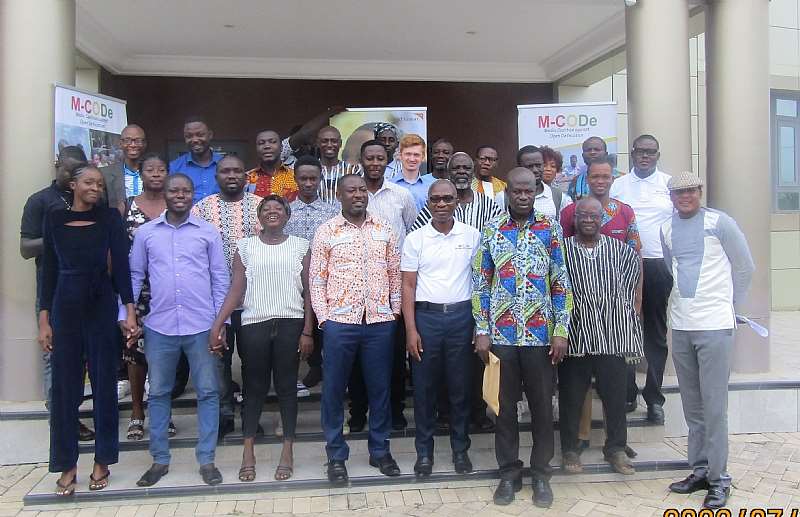
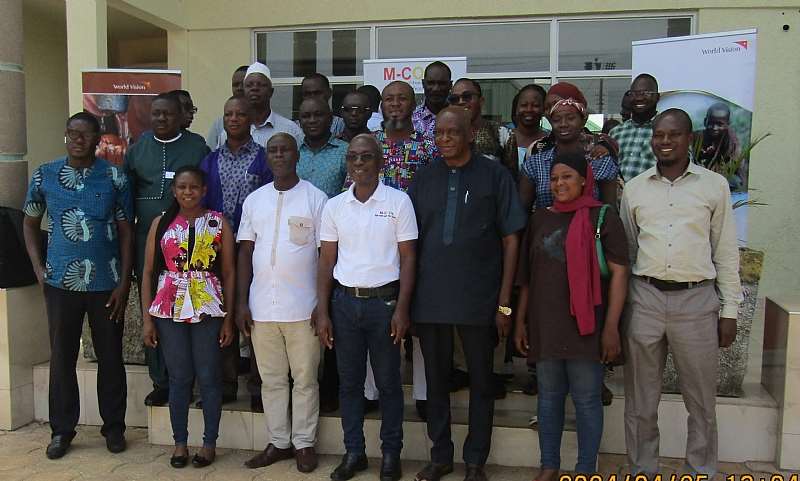
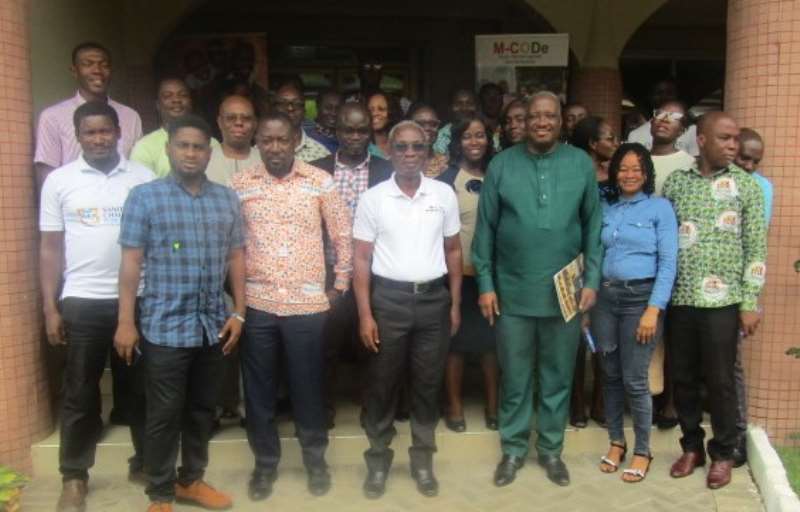
Following the directive, the Media Coalition Against Open Defecation (M-CODe), with support from World Vision Ghana, has launched a nationwide accountability initiative to monitor how MMDCEs are implementing the government's sanitation agenda.
Under the theme "Institutionalizing Sanitation Performance," the initiative forms the first phase of M-CODe's revitalisation programme and seeks to position the media as a bridge of accountability between government, traditional authorities, local assemblies and citizens in the collective effort to promote a cleaner environment and eliminate open defecation.
The first phase of the initiative is being implemented in the Upper East, Northern, Western, Greater Accra, Upper West and Ashanti regions.
Engineer Asiedu maintained that establishing a National Sanitation Authority would strengthen Ghana's decentralisation agenda, reinforce presidential oversight and help deliver cleaner, healthier and more resilient communities.
"When citizens see floods, filth, and open defecation, they hold the Presidency responsible. A National Sanitation Authority gives the President the tools to ensure that what is promised at the national level is executed at the local level," he stated.
He warned that further delays in establishing the Authority would worsen Ghana's sanitation and environmental challenges, with serious consequences for public health and national development.
According to him, recurring outbreaks of cholera, typhoid and diarrhoeal diseases continue to place a heavy burden on the National Health Insurance Scheme (NHIS) and household incomes, with children under five among the most vulnerable.
Engineer Asiedu also observed that MMDCEs are frequently blamed for sanitation outcomes despite lacking the legal mandate and resources to address many of the underlying challenges.
He noted that the absence of a single coordinating body has left sanitation functions scattered across several ministries and agencies, resulting in weak accountability and poor service delivery.
He further cautioned that inadequate waste management and poor drainage systems continue to increase the vulnerability of urban communities to flooding and other climate-related disasters.
Engineer Asiedu therefore appealed to President John Dramani Mahama, through the Ministry of Local Government, Chieftaincy and Religious Affairs, to begin the process of establishing a National Sanitation Authority with clearly defined responsibilities, sustainable funding arrangements and the legal mandate to enforce standards and sanctions.
"Ghana cannot decentralize development and keep sanitation fragmented. The split is why we have effective policies but poor results on the ground. Let's stop managing sanitation in pieces. Let's govern it. We need a National Sanitation Authority now," he said.
Source: M-CODe

 High Court clears NDC to enforce six-month resignation rule for appointees vying...
 CHRAJ debunks false social media claim linking Deputy Commissioner to Wontumi se...
 “Sanitation is not a municipal problem, it is a national security issue” —GAMA P...
 Prison is not a place I would wish for anyone" — Nana Agradaa on Chairman Wontum...
 'We won't praise you for this uninspiring, same old story' — Minority Leader on ...
 Mid-Year Review: 'Ghana's economy moved from emergency room to the wellness cent...
 Mid-Year Review: 'Economic recovery a result of superior economic management' — ...
 Mid-Year Budget Review: 'NDC inherited an economy on its knees' — Finance Minist...
 Mid-Year Budget Review: It has been excellent six months — Joe Jackson
 Wontumi's 20-year sentence is ridiculous, punishment for his criticism of NDC — ...

