




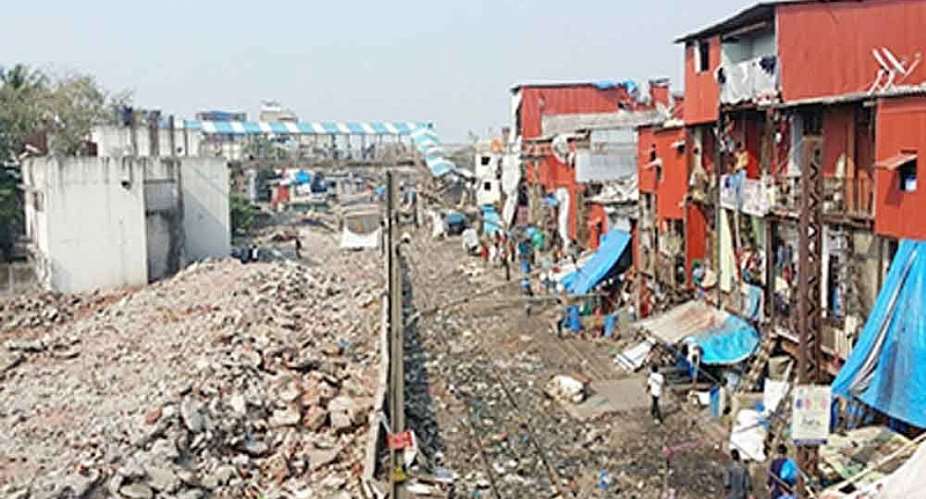
Ghana’s towns and cities are expanding rapidly, but much of this growth is occurring without adequate planning and effective development control. Residential and commercial buildings continue to emerge on waterways, wetlands, road reservations, utility corridors and lands designated for public infrastructure.
In many communities, buildings are constructed before roads, drains, water systems and electricity networks are properly planned. The result is a pattern of haphazard development that contributes to flooding, traffic congestion, environmental degradation, sanitation problems, building failures and the increasing cost of providing public infrastructure.
Although Ghana has planning laws, building regulations and institutions responsible for controlling physical development, enforcement remains weak. Many developers begin and complete buildings without obtaining development permits. In some cases, structures are occupied and connected to electricity and water even though they have not been approved or inspected by the relevant Metropolitan, Municipal or District Assembly.
This situation must change.
One practical policy that could significantly improve development control in Ghana is the introduction and strict enforcement of a “No Permit, No Utility Supply” system.
Under this policy, electricity, water, gas, sewerage and other permanent utility services would not be supplied to any new building unless the owner presents a valid development permit and evidence that the building has passed the required inspections.
The principle is simple: a building that has not been legally approved should not be supported with publicly regulated utility services.
Why Utility Connection Should Be Linked to Development Permits
Electricity and water are essential for the occupation and use of buildings. Most property owners cannot comfortably occupy, rent or commercially operate a building without these services.
At present, however, some developers ignore the permit process because they know they may still obtain electricity and water connections after completing their structures. Once utility connection is made dependent on proof of planning and building approval, developers will have a stronger reason to comply with the law before construction begins.
This approach would shift development control from reacting to illegal buildings after they have been completed to preventing unauthorized occupation from the outset.
Ghana has relied heavily on demolition exercises, stop-work notices and occasional enforcement operations. While these measures may sometimes be necessary, they are often expensive, politically sensitive and difficult to sustain. By the time a building is demolished, the owner may have invested substantial resources, tenants may already be occupying it, and entire communities may have developed around the unauthorized structure.
Prevention is therefore more efficient and less costly than demolition.
Reducing Construction in Waterways and Flood-Prone Areas
One of the most serious consequences of uncontrolled development is the occupation of waterways, wetlands and natural drainage channels.
Buildings constructed in such areas obstruct the movement of stormwater, reduce the capacity of drainage systems and expose occupants to repeated flooding. During heavy rainfall, these structures may redirect water into neighbouring communities, destroy roads and property, and place lives at risk.
Many of these buildings should never have been approved for residential or commercial use. Yet some receive electricity and water connections, giving them the appearance of legality and encouraging further settlement.
A strict “No Permit, No Utility Supply” policy would make it more difficult for buildings in waterways and other restricted areas to become permanently occupied. Utility providers would become an important part of the development-control system rather than unintentionally supporting unauthorized construction.
Improving Building Safety
Development permits are not merely administrative documents. The permit process allows qualified professionals and public authorities to examine proposed land use, building design, structural safety, accessibility, sanitation, fire protection and the suitability of the site.
Where buildings are constructed without approval, there is no assurance that the designs were prepared by qualified professionals or that the construction followed acceptable engineering standards.
Connecting electricity and water to such buildings may expose occupants to electrical hazards, structural failure, fire outbreaks and other avoidable dangers.
Utility connection should therefore come only after the relevant Assembly has confirmed that the building complies with planning and safety requirements. For completed buildings, an occupancy or habitation certificate should be required before permanent utility services are activated.
Promoting Orderly Urban Development
Haphazard development makes it difficult for government to provide roads, drains, schools, health facilities, markets, waste-management systems and other essential services.
When buildings are constructed without regard to approved layouts, land may not be reserved for public infrastructure. Roads become too narrow, drains cannot be properly constructed, access for emergency vehicles is restricted, and utility companies are forced to extend services through unplanned settlements at great cost.
Linking utility supply to development approval would help ensure that buildings are constructed within properly planned areas. It would also encourage developers and landowners to respect approved local plans, zoning regulations, road reservations and utility corridors.
Specific Recommendations
For the policy to succeed, the Government of Ghana and the responsible institutions must take coordinated action.
1. Government of Ghana
The Government should establish a clear national policy requiring valid development permits before electricity, water and other permanent utility connections are provided to new buildings.
The policy should be supported by legislation or enforceable regulations. It should clearly define the responsibilities of MMDAs, utility providers, developers, property owners and professionals involved in the construction process.
Government should also establish a national digital platform that allows utility companies to verify development permits electronically. This would prevent the use of forged permits and reduce delays associated with manual verification.
2. Metropolitan, Municipal and District Assemblies
MMDAs must improve the speed, transparency and reliability of the permit-approval process. A strict enforcement policy cannot be fair if applicants must wait several months or years for decisions on their applications.
Assemblies should introduce digital permit applications, tracking systems and clearly defined processing timelines. Applicants should be able to check the status of their applications without making repeated visits to Assembly offices.
MMDAs should also assign unique digital identification numbers or QR codes to approved developments. Utility providers could scan or enter these numbers to confirm the authenticity and status of a permit.
Building inspectors must conduct inspections at the required stages of construction and update the digital records accordingly.
3. Electricity Company of Ghana and NEDCo
ECG and NEDCo should require applicants for permanent electricity connections to provide a valid development permit and, where applicable, an occupancy certificate.
Utility officials should not rely solely on paper documents presented by applicants. They should verify permit information through a shared electronic platform connected to the relevant MMDA.
Temporary electricity may be provided for construction purposes under controlled conditions, but such temporary connections should not automatically become permanent. Conversion to a permanent meter should only occur after the building has passed the necessary inspections.
Employees or contractors who provide unauthorized connections should face disciplinary action and prosecution where appropriate.
4. Ghana Water Limited
Ghana Water Limited should adopt similar requirements for new permanent water connections. A valid development permit should be verified before service is extended to a new property.
In areas where temporary water supply is required for construction, the connection should be clearly classified and monitored. Permanent service should only be approved after the building has met planning, sanitation and occupancy requirements.
5. Lands Commission and Traditional Authorities
The Lands Commission should strengthen coordination with MMDAs to ensure that land registration does not create the impression that ownership automatically gives a person the right to build.
A land title or registered deed confirms an interest in land, but it does not replace development permission. Property owners must understand that land ownership and planning approval are separate legal requirements.
Traditional authorities, family heads and customary landowners should also avoid allocating plots located in waterways, road reservations, wetlands and areas designated for public infrastructure.
6. Professional Bodies
Professional institutions representing engineers, architects, surveyors, planners and other built-environment practitioners should educate their members and the public on development-control requirements.
Professionals who assist clients to build on unauthorized sites or prepare misleading documents should be sanctioned by their respective regulatory bodies.
Protecting Vulnerable Households
The policy must be implemented carefully to avoid unfairly punishing poor and vulnerable households.
Government should provide transitional arrangements for buildings constructed before the policy takes effect. Owners of existing buildings should be given a defined period within which to apply for regularization, where regularization is technically and legally possible.
However, buildings located in waterways, dangerous zones, road reservations or areas reserved for public infrastructure should not be regularized simply because they already exist.
A transparent appeal mechanism should also be established for applicants who believe that permits or utility connections have been unfairly denied.
Permit Reform Must Accompany Enforcement
A “No Permit, No Utility Supply” policy will fail if the permit system remains slow, expensive, unclear or vulnerable to corruption.
The Government and MMDAs must therefore simplify permit requirements, publish official fees, establish realistic approval timelines and reduce unnecessary administrative barriers.
Applicants should know exactly what documents are required, how much they must pay, who is handling their application and when a decision will be made.
Enforcement must apply equally to private citizens, companies, politically connected individuals and public institutions. Selective enforcement will undermine public confidence and encourage continued non-compliance.
The Cost of Inaction
Ghana cannot continue to allow unauthorized developments to become permanent communities before attempting to control them.
Every building constructed in a waterway increases the risk of flooding. Every structure built within a road reservation makes future road expansion more difficult and expensive. Every unauthorized settlement increases the cost of supplying water, electricity, drainage, sanitation and emergency services.
The country eventually pays a much higher price through demolition exercises, flood relief, infrastructure reconstruction, compensation disputes and the loss of lives and property.
A building should not receive public utility services merely because construction has been completed. Utility supply must be treated as part of the development-control process.
The message to developers should be clear:
Obtain approval before construction. Build according to the approved plan. Pass the required inspections. Then receive permanent utility services.
The policy may appear strict, but the consequences of uncontrolled development are far more severe.
No Permit, No Utility Supply should become a central pillar of Ghana’s efforts to promote orderly settlements, protect waterways, improve building safety and develop resilient towns and cities.
The cost of doing things right is always cheaper than the price society pays when planning regulations are ignored.

 Attorney-General appeals ruling halting trial of former Buffer Stock CEO, wife
 NAIMOS destroys 1,970 changfans, 863 Illegal mining structures in three months —...
 Let's see how Asiedu Nketia becomes NDC flagbearer with same people he conspired...
 Asiedu Nketiah opts out of NDC chairmanship race amid flagbearership speculation
 NDC insists Nkwanta North elections will proceed despite court injunction
 'My side of the story will shock you; I'm waiting for court days' – Obuasi SHTS ...
 Obuasi SHTS sexual abuse: 'GES must distant itself, allow the law to work' — For...
 Upper East: Fear grips nine Kusaug communities over mysterious fish deaths in da...
 NDC suspends Amasaman Communications Officer over 'irresponsible' remarks on Obu...
 Parliament secures religious leaders’ support to end witchcraft accusations


