




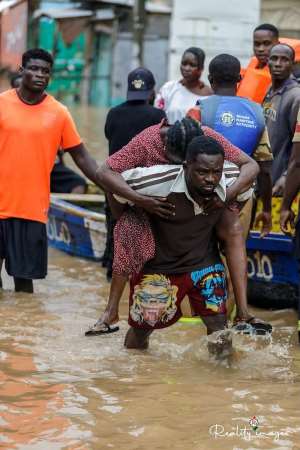
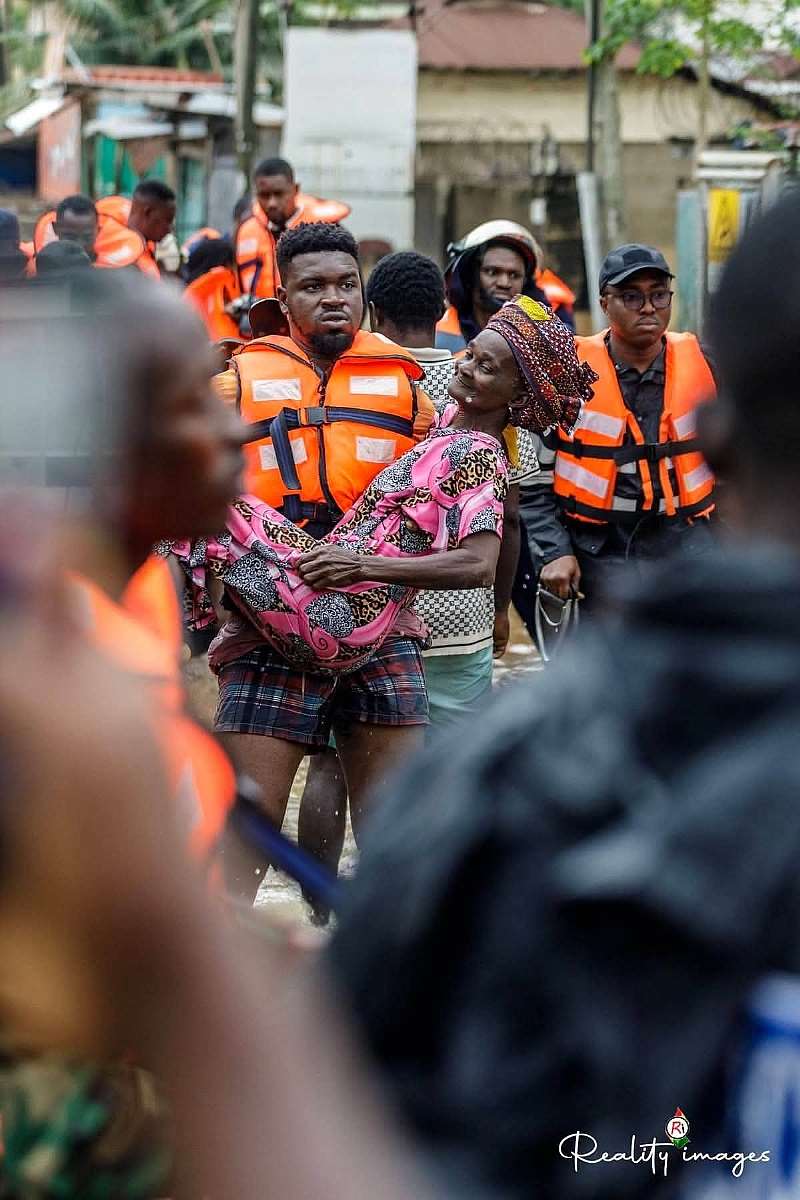
Every rainy season in Ghana seems to follow a painful and predictable script. Heavy clouds gather, rains fall for a few hours, roads disappear beneath muddy water, homes are submerged, businesses are destroyed, and heartbreaking stories of loss fill our headlines. Then comes the public outrage, emergency responses, promises from authorities, and eventually silence—until the next flood arrives.
The question we should be asking ourselves is simple: why have floods become a normal part of life in Ghana?
I believe the problem is no longer just about nature. Heavy rainfall is not unique to Ghana, yet many countries experience intense rains without seeing the same level of destruction year after year. Our flood crisis is increasingly a result of human actions and our collective failure to address long-standing problems.
One of the biggest concerns is poor waste management and public attitudes toward sanitation. Across many communities, gutters have become dumping sites for plastic waste and household refuse. It is difficult to expect water to flow freely when drainage channels are clogged by human negligence. We often blame authorities, but citizens must also take responsibility for habits that contribute to these disasters.
Another issue is poor urban planning. Buildings continue to emerge in waterways and flood-prone areas, sometimes with little regard for regulations or environmental consequences. We are constructing cities without adequate planning and then acting surprised when nature responds.
I also believe governments over the years have often focused on responding to floods rather than preventing them. Relief items and emergency interventions are important, but they do not solve the problem permanently. We should invest more resources into preventive measures such as modern drainage systems, regular maintenance of waterways, proper enforcement of building regulations, and environmental conservation efforts.
Flooding should not be treated as an annual event that citizens simply learn to endure. Every life lost matters. Every family displaced matters. Every business owner who watches years of hard work washed away matters.
Ghana deserves better than temporary reactions and repeated promises. We need leadership that plans ahead and citizens who understand that national development is a shared responsibility.
According to Nankwe Hassan, if we continue on our current path, next year's flood stories will sound exactly like this year's. But if we choose action over excuses, discipline over negligence, and prevention over reaction, then perhaps we can finally break this cycle.
The rains may be inevitable, but the destruction that follows does not have to be.


 Macron promises tough punishments for rioters during nationwide day of action
 Trump endorses embattled Israeli PM Netanyahu ahead of October 27 election
 We are going to provide emergency airstrip in regions without airports — Mahama
 Nana Konadu maiden memorial mass set for October 23
 'Double standards are not helpful, wrong yesterday is wrong today' – Ablakwa on ...
 NPP has resolve internal wrangling — Bawumia
 Ghana, US Virgin Islands agree on recruitment of Ghanaian teachers, nurses
 “Soldiers Will Stay There”—Mahama Declares Permanent Military Presence in Forest...
 ‘No Borrowing Involved’ — Mahama Rolls Out US$10bn New Economy Policy
 “Ask Jean Mensa to resign first”—Tanko-Computer fires back



Comments
FLOOD PREVENTION AND MANAGEMENT IDEAS (Updated) Often in life, one has to focus on what is within one's control. The behavioral and attitudinal aspects of the root causes -- improper waste disposal, building on waterways, building code violations, etc. -- are quite important but hard to control. We have absolutely no control on climate change, specifically the El Nino phenomenon, which is predicted to generate even heavier rainfalls in the foreseeable future. So for flood prevention and mana...