




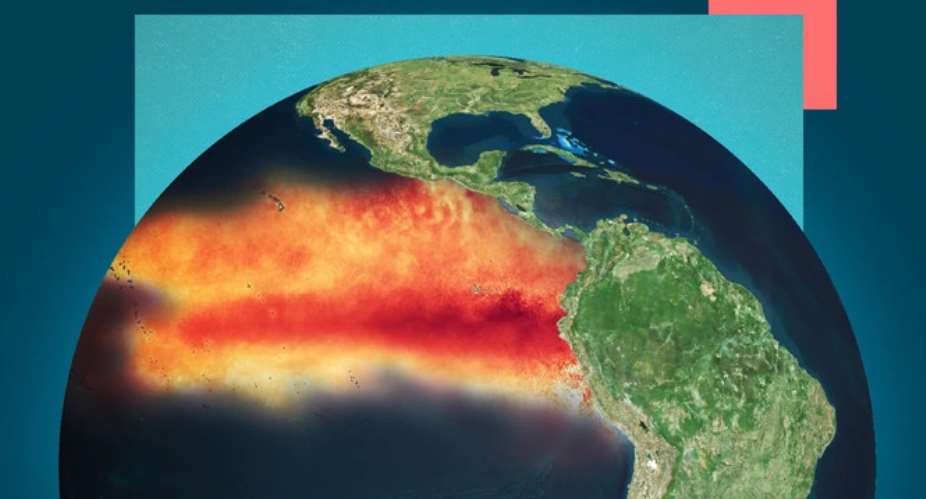
No application form. No bribe. No “connection man”. Just data, physics, and a timetable we ignore at our peril. This year, as extreme weather intensifies across West Africa, the rains will not negotiate with title deeds or stool land receipts. They will simply follow topography. And topography has a memory longer than any land registry. Hmmm, 3y3nsem piiii, oooo.
Ghana’s flood tragedy is not a mystery of climate. It is a failure of civic imagination. Wetlands in Accra, Tema and Kumasi have been parcelled and sold multiple times over, often by actors within traditional councils, then captured by powerful buyers who mistake legal title for ecological permission. Engineers know that building on a floodplain is borrowing from the river. El Niño is the river collecting its debt, with interest. Simple.
The pattern is ritualised. The rains come. Roads vanish. Communities that planners could not reach with foresight become unreachable even for disaster responders. We mourn, we commission inquiries, we rebuild on the same compromised land. Then we call it “resilience”. It is not resilience. It is rehearsed amnesia.
This is where philosophy must meet policy, and policy must meet technology. John Locke argued that property rights derive from mixing labour with land that is “unappropriated”. But a floodplain is never unappropriated. It is already occupied by the hydrological cycle. When we build on it, we are not creating wealth. We are creating contingent liability, deferred to the next wet season.
Ghana does not lack expertise. We lack the political courage to enforce the expertise we already have, and the tools to act when crisis hits. The 1994 National Building Regulations, the EPA’s setback rules, the National Wetlands Management Strategy: these are not unknown documents. They are unenforced documents. And unenforced law is not law. It is suggestion.
The AI era gives us no excuse for slow response. In the age of satellites and real-time analytics, command centres should be mandatory for all regional security councils. Live satellite imagery, flood modelling, and early-warning data can guide first responders to the communities cut off before the roads disappear. We can know where the water will rise 12 hours before it does. The gap is not technology. It is institutional will. When a suburb floods, we should be directing boats and ambulances from a digital map, not waiting for radio calls from stranded citizens.
There is an alternative, and it begins with humility. Cities like Rotterdam and Copenhagen now design for water rather than against it. They ask: “What if we gave the river room?” Ghana can ask the same question, at lower cost. That means halting new development in identified floodways. It means buying back the most egregious illegal structures and returning that land to its ecological function. It means retrofitting drainage, not just dredging it after disaster. Most of all, it means recognising that some land must remain unprofitable for developers if it is to remain habitable for citizens.
The coming El Niño will be a brutal teacher, but an honest one. It will reveal, again, which communities planned and which communities pretended. The audit will be public, painful, and televised. No press release can spin away a submerged suburb.
In light of all the above, perhaps the question the most honest amongst all societal demographics in a wise and aspirational African democracy ought to ponder is: what if El Niño was Ghana’s toughest planning officer? What if we treated his episodic, unforgiving inspections as the enforcement mechanism we refuse to staff ourselves? The future of our cities will not be decided by the boldness of their skylines, but by the wisdom of their boundaries. Water does not care about status. It only cares about gradient. Simple. Case closed. Yoooooooooooo. A word to the wise...


 President Mahama calls for five permanent UN Security Council seats for Africa
 GRIDCo announces 15-hour power interruption in parts of Greater Accra
 Wenchi Traditional Council suspends Twafohene
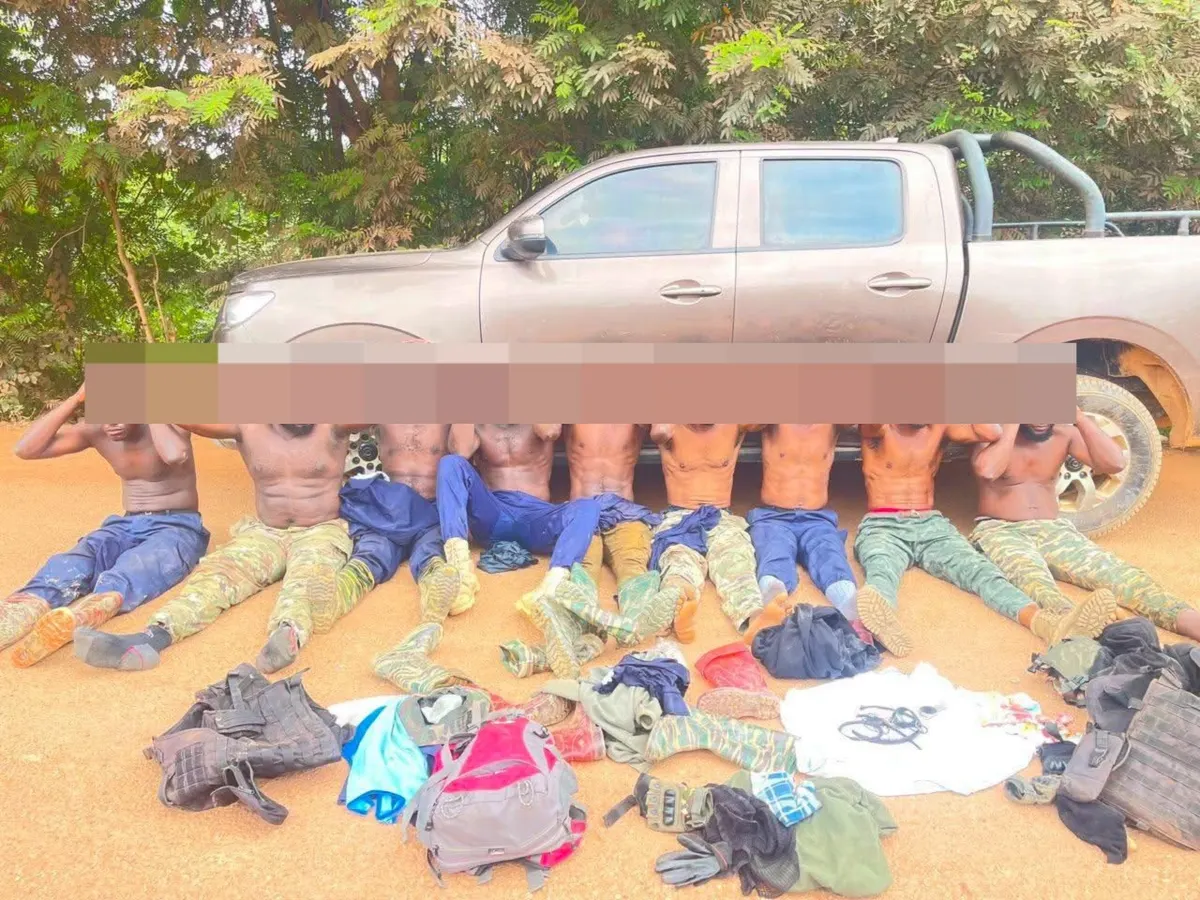 Nine Blue Water Guards arrested over alleged bribery, mpersonation of NAIMOS at ...
 Less than 20km of clearing work remains on Accra-Kumasi expressway – Roads Minis...
 My father predicted family feud, church division before his death – Adwoa Safo
 Afenyo-Markin knows why I called him ‘extortionist’; I dare him to sue me – Samm...
 45-year-old man accused of assaulting 90-year-old woman over witchcraft allegati...
 50 aspirants pick NPP national executive election forms; filing begins August 23
 'Contrary to law': US judge strikes down Trump's 75-country visa ban

