




Ghana is living through an economic turnaround that policymakers, international lenders, and analysts are calling the most dramatic in the country’s modern history. After emerging from its worst debt crisis in a generation, the economy has not only stabilized but is now outpacing most emerging-market peers on growth, inflation, currency strength, and investor sentiment.
From Crisis to “Bridge Year
In late 2022, inflation skyrocketed above 50% and the cedi was in free-fall. By March 2026, inflation had collapsed to 3.2% and is projected to stay within the Bank of Ghana’s 8% ± 2% target band throughout 2026. Economists now dub 2026 Ghana’s “Bridge Year” the shift from survival mode to rebuilding the heartbeat of the economy.
The cedi has been the face of that shift. After a 40%+ appreciation against the US dollar in 2025, it has held steady near GH₵10.50/$ in 2026. The Bank of Ghana is using IMF inflows and gold revenues to build what analysts call a “dollar shield” a permanent buffer against external shocks.
Growth That’s Outpacing the Pack
In 2025, real Gross Domestic Product (GDP) grew an estimated 6.0%, driven by non-oil sectors and agriculture. For 2026, forecasts converge around 4.8% to 5.9%.
The International Monetary Fund (IMF) revised the 2026 growth to 4.8%, citing stronger-than-expected program performance and fiscal discipline as bases for the decision.
Fitch Solutions also sees 5.9% in 2026, up from 5.8% in 2025, calling Ghana’s trajectory “exceptionally strong”
The World Bank Projects 4.8% in 2026 led by services and recovery efforts whiles the CCIF-Ipsos expects 4.6% to 5.9% by year-end 2026.
Finance Minister Dr. Cassiel Ato Forson says Ghana’s economy has crossed the $100 billion mark, up from under $80 billion, with the propensity to hit $140 billion by end of 2026 which could potentially making it Africa’s 7th largest economy.
What Makes This Recovery “Unprecedented”
Inflation fell from over 50% in late 2022 to 3.8% by Jan 2026. The IMF calls it a “return to single digits” for the first time since 2021.
Debt-to-GDP dropped to 45.3% at end-2025, beating restructuring targets. Ghana is targeting a 4.0% fiscal deficit and 1.5% primary surplus from 2026 onward. Dr. Forson said, “We have restored fiscal discipline, brought inflation under control, stabilized the cedi, and rekindled investor confidence”.
Services now drive 60% of national growth, expanding 7.6% with ICT, finance, trade, and transport leading. Fitch expects private consumption to grow 6.5% in 2026, adding 5.3 percentage points to GDP. Fixed investment is rebounding from its 2023 contraction.
Tullow Oil’s Jubilee drilling campaign is performing to expectations, with realized oil prices averaging $90/barrel in early 2026 vs. $66 in 2025. The IMF’s 5th review unlocked $385 million in late 2025, with total disbursements at $2.8 billion.
The Risks That Remain
The World Bank warns the outlook has downside risks: weak investor confidence, constrained external financing, and global uncertainties. Sustaining momentum depends on maintaining a primary surplus, public financial management, and energy sector reforms.
Ghana is back
“To our international partners and investors, Ghana is back, strong, credible, and open for business. The story of Ghana is no longer one of crisis but of recovery and renewal,” Forson told Parliament. The Finance minister could not have said it any better. Ghana is out of the woods and “Back”
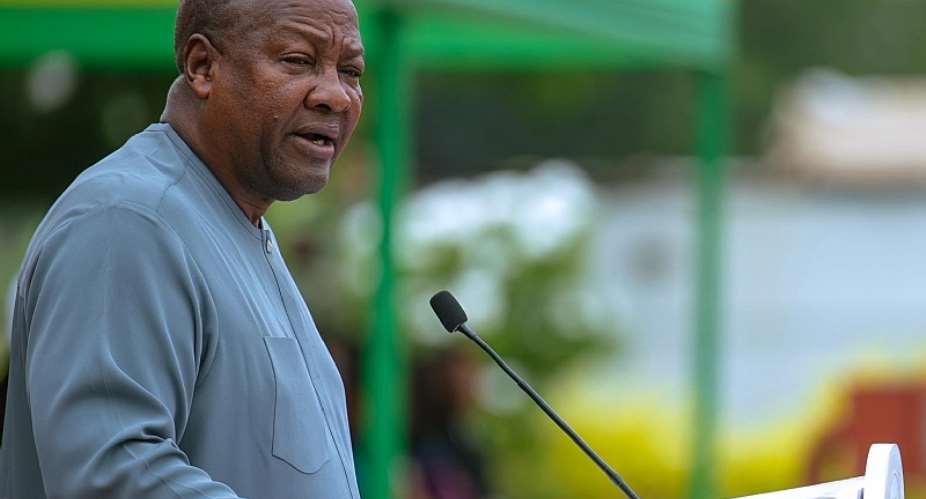
President John Mahama’s administration calls it an “economic reset” built on fiscal discipline and IMF support. The CEO of Stanbic Bank Ghana stated that: “Improvements in the macroeconomic environment have created room for more effective financial intermediation”.
If projections hold, 2026 will mark the first year since the crisis that Ghana combines >4.5% growth, single-digit inflation, a stable cedi, and falling debt, a combination the CCIF report says means “crisis management is ending”.
The evidence suggests that, the current National Democratic Congress (NDC) government led by President John Dramani Mahama has undoubtedly given Ghanaians an unprecedented economic recovery since 1992.

 Justice Yonny Kulendi reveals how some lawyers abuse appeals process, wants revi...
 Ibrahim Mahama offers to cover cost of leg amputation for Ghana's tallest man
 Detained Abu Trica reportedly hospitalised, lawyer threatens habeas corpus over ...
 Roads Minister directs contractors to submit work schedules or risk payment dedu...
 GTEC names unaccredited tertiary institutions, lists 50 affected campuses and ce...
 Kenya journalist escapes abduction after criticism of president, says CPJ
 NPP sets September 19 for national delegates conference to elect national office...
 Here are areas to be affected by ECG's planned maintenance today
 Judicial office is for service, not personal wealth — Justice Kulendi
 Ghana Water to shut down Dodowa booster station for 24-hour maintenance

