




Viral videos, diplomatic summoning, and a painful betrayal of African solidarity
Ghana is furious. And it has every right to be.
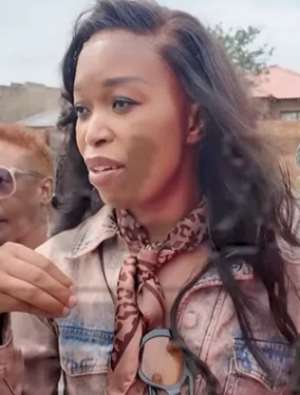
Disturbing videos showing Ghanaian nationals being harassed, intimidated, and ordered out of South Africa have gone viral across social media this week, igniting a wave of outrage in Accra and triggering a sharp diplomatic response from the Ghanaian government.
What Happened
Anti-immigrant protests led by a group known as the "March and March Movement" turned violent in Durban, KwaZulu-Natal. Viral videos circulating on social media showed locals assaulting individuals they accused of being illegal immigrants.
The so-called "clean-up campaigns" led by the March and March movement have been running for almost two weeks. While some days were peaceful with participants sweeping streets and picking up litter other days saw immigrants being assaulted, subjected to "citizen arrests" for alleged undocumented status, and shopkeepers forced to close their stores out of fear.
One incident in particular enraged Ghanaians. A Ghanaian lawyer was confronted and asked to prove his legal status before being ordered to leave South Africa and told to "fix his country." The video of this humiliating encounter spread rapidly and became the flashpoint for Ghana's diplomatic anger.
One incident went viral showing a foreign national being attacked after a local politician named Mchunu clashed with foreign shop owners on April 20, 2026, as he led a group searching for illegal foreign shop owners.
Ghana's Fury Goes Diplomatic
The Ghanaian government wasted no time.
Foreign Affairs Minister Samuel Okudzeto Ablakwa formally summoned Acting South African High Commissioner Thando Dalamba on April 23, 2026, following the circulation of the videos showing foreign nationals, including Ghanaians, being intimidated and harassed.
Ablakwa expressed deep concern, warning that such actions undermine human dignity and threaten African solidarity. He cautioned that similar incidents in the past have led to loss of lives and destruction of property.
The minister did not stop there. Ablakwa held a direct telephone conversation with South Africa's international relations minister Ronald Lamola, who expressed empathy for the victims and promised a full-scale investigation. The South African government was also scheduled to hold a briefing with African ambassadors to address the escalating situation.
Ghana's High Commissioner to South Africa, Benjamin Quarshie, confirmed that officials had located the main victim captured in the widely circulated video and were providing consular assistance. "The victim is doing very well, and no Ghanaian life has been lost," the minister said, urging calm among the Ghanaian public.
Ghanaians Hit Back: What About South Africans in Ghana?
Back home in Ghana, the anger went well beyond diplomatic channels. Some voices called for reciprocal action.
Solomon Owusu, Director of Communications for the United Party, called on South Africa's High Commissioner in Ghana to account for the continued presence of South African nationals in the country. "The High Commissioner of South Africa in Ghana must be answering to us why South Africans living in Ghana must continue to stay here," he said.
He went further, noting the economic leverage Ghana holds. "This economy called Ghana is held by South African businesses. They make so much money from this country," he said, insisting that Ghanaian authorities had the power to respond decisively.
The President of the Global Africa Trade Advisory Chamber, Dominic Oduro-Antwi, also condemned the xenophobic incidents, describing them as unacceptable and damaging to Africa's unity agenda.
A Painful Betrayal of History
What makes this sting so deeply for Ghanaians is the historical context. Ghana did not sit on the sidelines during South Africa's darkest days.
Ablakwa underscored Ghana's long-standing historical and fraternal relations with South Africa, recalling Ghana's support during the anti-apartheid struggle under Kwame Nkrumah and emphasizing that the attacks undermine longstanding bilateral relations.
Ghana stood with South Africa when it was isolated from the world. For Ghanaians watching videos of their compatriots being humiliated on South African streets, the sense of betrayal is not just political it is deeply personal.
A Recurring Nightmare
Sadly, this is not new. Xenophobic violence in South Africa is not new, but its targets shift. In May 2008, over 60 people were killed. April 2015 saw attacks in Durban and Johannesburg. Between 2019 and 2021, Nigerians and Zimbabwean truck drivers were targeted. In recent weeks of 2026, Ghanaians and other West Africans have reported harassment and looting in Gauteng and KwaZulu-Natal. The justification is always the same: "Foreigners steal jobs and economic opportunities."
Ablakwa stressed that the attacks go against African solidarity and Ghana's historical support for South Africa's liberation struggle, warning that past episodes have led to loss of life and property.
South Africa's Response
The Acting High Commissioner acknowledged Ghana's concerns and assured that Pretoria is taking the matter seriously, with law enforcement monitoring the situation closely and holding those responsible accountable.
South African police also warned against lawlessness, saying only mandated law enforcement officials have the legal authority to stop or detain undocumented individuals.
Words, however, will not be enough to calm Ghanaian anger. The people want action and they want it now.
Africa's greatest dream has always been unity. Watching Africans brutalize fellow Africans on the streets of Durban is a nightmare that the continent cannot afford to keep living. Ghana is angry and until South Africa delivers real protection and real accountability, that anger is entirely justified.
Mustapha Bature Sallama.
Medical/ Science Communicator,
Private Investigator, Criminal investigation and Intelligence Analysis.
International Conflict Management and Peace Building.USIP
[email protected]
+233-555-275-880

 Techiman nurse arrested for allegedly recruiting people to circulate ‘Ghana Joll...
 NaCCA distances itself from Chinese language teacher training at UCC
 Exporters need better access to credit, infrastructure – Bawumia
 Senior nurse remanded over alleged link to ‘Ghana Jollof’ TikTok account
 ‘NDC rewriting 1992 Constitution’ – NPP rejects review approach
 $300m World Bank financing package secured to permanently end double-track by 20...
 'No piece of land is worth single human life' – Afenyo-Markin calls for peace af...
 Police declare ‘Ghana Jollof’ wanted for allegedly inciting violence
 How community watchdog group helped Police 'cobra team' arrest seven suspects fo...
 Ghana Card to become e-wallet for electronic transactions soon – NIA Boss



Comments
Samuel Okudzeto-Ablakwa is a NAIVE person and politician! He does NOT realise that black Africans are LOW-INTELLIGENCE people who have NOTHING to offer the world! Samuel Okudzeto-Ablakwa thinks that white people are the ENEMY, but I can assure him that the REAL enemies are fellow black Africans; they are DEADLIER than white people! Samuel Okudzeto-Ablakwa is not able to see who the real enemy is because he is CHILDISH and NAIVE! If a person spends too much time in the company of UNINTELLIG...