




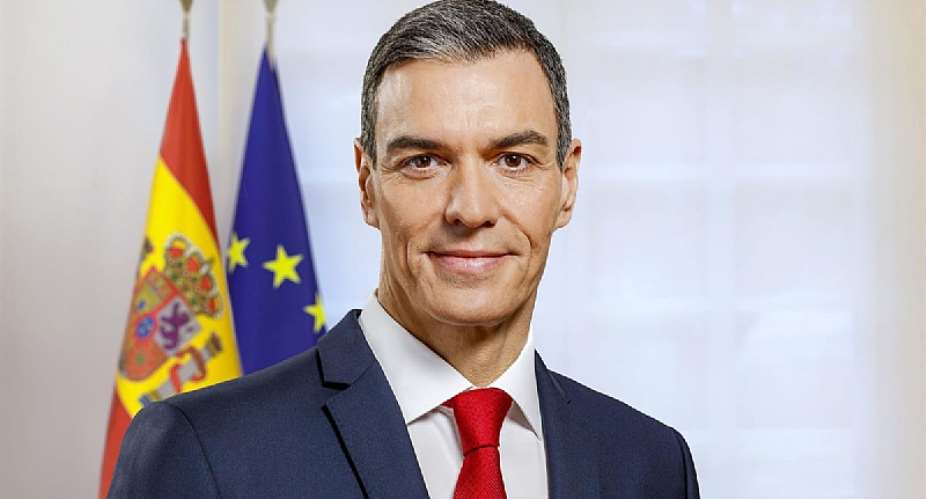
In a political climate increasingly shaped by pressure, alliances, and calculated silence, moments of refusal stand out. For Pedro Sánchez, Spain’s current prime minister, one such moment has been cast by supporters as an act of principle, an insistence on charting an independent course amid intensifying global tensions.
The narrative, as it is often told in sympathetic circles, places Spain at the center of a widening geopolitical storm. Though geographically anchored in Western Europe, Spain is portrayed here as politically “eastern” leaning away from dominant Western consensus and toward a more dissenting voice on international conflict.
At the heart of this account lies a controversial claim: that Spain became the only European country to reject participation in a U.S.-aligned military posture against Iranian people, a conflict framed by critics as driven not by security concerns but by broader regional ambitions tied to Israel.
The story escalates quickly. Allegations of a coordinated campaign of military aggression stretch across regions, from Lebanon and Yemen to Somalia, painting a picture of instability with global consequences. Within this framework, Donald Trump is described as having been influenced, even pressured, into escalating tensions further, a claim that reflects a broader critique of lobbying and foreign policy entanglements in Washington.
Then comes the turning point: a reported attack on Iranian civilians, followed by retaliation targeting U.S. military installations in the Middle East. These events, presented in stark humanitarian terms, serve as the backdrop for Sánchez’s defining stance.
According to this narrative, Sánchez publicly rejected the premise of the conflict altogether. Iran, he argued, posed no direct threat to the American people or Europe and remained a key contributor to global energy stability. In doing so, he reframed the debate, not as one of alliances and obligations, but of consequences and responsibility.
More importantly, he said no.
No to participation.
No to alignment.
No to what critics describe as a war lacking moral and strategic justification.
For supporters, this refusal was more than policy,it was symbolism. A declaration that national conscience still has a place in global politics. That economic risks, diplomatic strain, and political backlash can, at times, be outweighed by the decision to stand apart.
The aftermath, as described in this account, elevated Spain’s image. The country emerged not just as a political outlier, but as a cultural and ideological bridge,where language, diplomacy, and dialogue converged. Spanish, already one of the world’s most widely spoken languages, is portrayed as gaining renewed traction across Africa and Europe, alongside a growing perception of Spain as neutral ground for divided perspectives.
Whether one views this version of events as accurate, exaggerated, or contested, it reflects a deeper truth about modern geopolitics: narratives matter. Leaders are no longer judged solely by actions, but by the stories those actions inspire.
And in this story, Pedro Sánchez is cast not as a bystander, but as a figure willing to push back when the tide moves too fast in one direction.In essence, Spain is helping reshape human conscience in an era marked by cruelty.
Praise has been directed at PM Pedro Sánchez for positioning himself as a voice for people worldwide.

 We have paid too high a price to allow freedom of speech diminish — Osahen Afeny...
 No disciplinary concern justifies violence against students - EduWatch condemns...
 Introduce regular criminal background checks into teacher recruitment — EduWatch...
 Bank of Ghana mops up GH¢17.24bn in major liquidity tightening move
 NDC marks 34 years of political influence and democratic governance
 UTAG threatens nationwide strike over delayed book and research allowances
 808 presidential staffers on payroll as Parliament receives annual staffing repo...
 24-Hour Economy cannot succeed without data — GSS tells Parliament
 Captain Smart declares bid for NDC parliamentary slot in Gomoa West
 24-Hour Economy will promote prostitution – NPP Chairman warns government


