




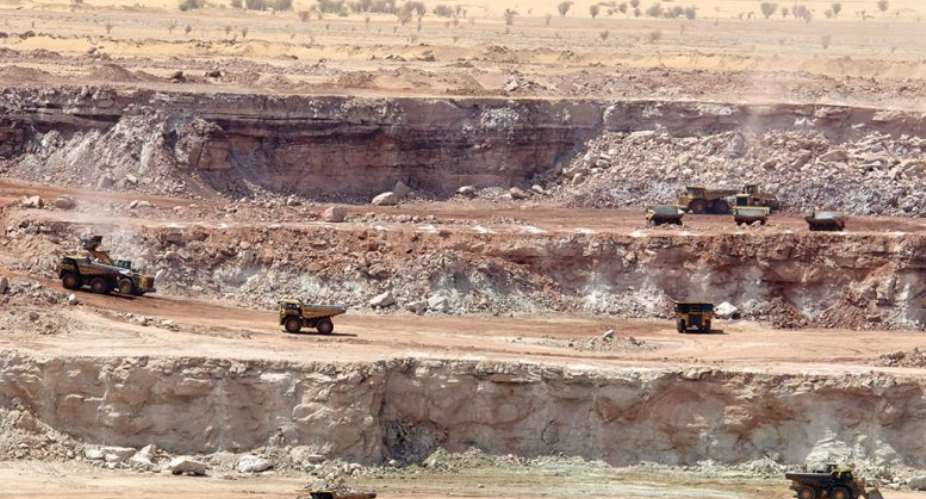
Arlit is a city in the Agadez Region of the Republic of Niger that has been a major centre of uranium mining for decades. The region’s mines especially the Arlit mine were long operated by French energy giant Orano (formerly Areva). However, since the military takeover in July 2023, the government of Niger has taken increased control over these assets.
What committees and reports have focused on Arlit generally revolve around environmental, health, human rights and governance concerns connected to uranium extraction.
Environmental & Health Findings Around Arlit
Independent assessments and reports have documented environmental and public health concerns linked to uranium mining:
A 2025 CRIIRAD report (French independent radiological laboratory) found that decades of uranium extraction by subsidiaries of Orano have left tens of millions of tonnes of radioactive waste exposed, polluting soils, groundwater and sources of drinking water around Arlit and the nearby town of Akokan.
Radioactive and chemical contaminants have been found in water supplies essential for health in the region.
The mining activities consume large quantities of water, intensifying stress in this desert environment.
Waste stored without proper containment raises long-term environmental risks.
Civil society and environmental NGOs have repeatedly raised concerns about water quality in the area due to uranium exploitation, urging ministries and authorities to conduct comprehensive radiation analyses.
Previous NGO studies (e.g., CRIIRAD) have shown elevated levels of radioactive contamination in Arlit and surrounding zones, with allegations of radiological risk to human health and livestock findings that have been debated and contested by companies and official entities over the years.
Government & Judicial Committee Actions
Following the nationalization of mining assets especially Somaïr (the company operating the Arlit mine) Niger’s military-led government has pursued legal and investigative actions:
Niger’s Justice Ministry has accused Orano of environmental crimes, alleging that barrels of radioactive material were found at sites near Arlit and that the company left behind a hazardous situation. Authorities have indicated intentions to pursue legal action in domestic and foreign courts to seek accountability and compensation.
The government’s disputes with foreign mining partners are tied to broader efforts to assert resource sovereignty, redefine terms of uranium revenue sharing, and respond to decades of external control of Niger’s mining sector.
Committees & International Oversight
Different committees and international bodies have highlighted issues tied to mining governance, human rights, and environmental protection in Niger even when not exclusively about Arlit:
UN human rights reviews of Niger’s reports under international treaties have touched on resource governance and transparency, with questions raised about how mining revenues are distributed and how local populations are affected.
Independent and academic investigations into uranium mining governance note that while Niger has built legal frameworks for environmental oversight, enforcement has often been weak relative to the scale of environmental impacts reported by local communities.
Broader Themes of the “Arlit Report” Debate
Whether in official committee assessments or independent studies, the core subjects connected to Arlit reports however they’re titled typically include:
Environmental contamination
Waste, soil and groundwater pollution from uranium mining infrastructures and tailings.
Public health concerns
Potential impacts of radiation exposure and water contamination on local populations.
Governance & regulatory oversight
Effectiveness of Niger’s regulatory bodies post-coup amid nationalization and disputes with previous operators.
Legal accountability
Government initiatives to bring environmental liability cases against former operators.
International human rights scrutiny
Queries raised by UN treaty bodies about mineral revenue transparency and equitable distribution.
Conclusion
The collective body of reports and committee investigations linked to Arlit whether formal government inquiries, UN committee reviews, or independent environmental studies centers on long-standing concerns over the environmental and social impacts of uranium mining. These include:
documented risks to water and soil quality,
contested radiological exposure concerns,
debates over corporate responsibility and governance oversight, and
recent legal and political efforts by Niger’s authorities to reassert control and seek reparations.
While no single “Arlit Report by the committee” (as if an official single committee document) is widely cited internationally, multiple reports and committee actions together paint a picture of persistent scrutiny over how uranium exploitation near Arlit has affected the environment, people, and Niger’s sovereignty.
Mustapha Bature Sallama.
Medical/ Science Communicator,
Private Investigator, Criminal investigation and Intelligence Analysis.
International Conflict Management and Peace Building.USIP
[email protected]
+233-555-275-880

 Mahama Pushes Ghana–Belarus Agro‑Tech Partnership To Modernise Agriculture
 Ato Forson is selfish, he wants to control everything – Miracles Aboagye
 Kevin Okyere admits Dubai detention, US$50 million Petraco drawdown
 Health Ministry says KATH CEO is suspended for two weeks as administrator, not d...
 'Stop accepting awards from questionable, self-appointed rating bodies' — Mahama...
 Gov’t hints at scrapping unlimited years of mining concession renewals
 Committee uncovers regulatory breaches, structural deficiencies in Madina buildi...
 We're introducing measures to reduce post-harvest losses — Mahama
 Flooding: Building owners who cut corners need to be sanctioned — Fuseini Donkor
 We need an overhaul of Ghana's drainage system — Edem Agbana on flood crisis


