




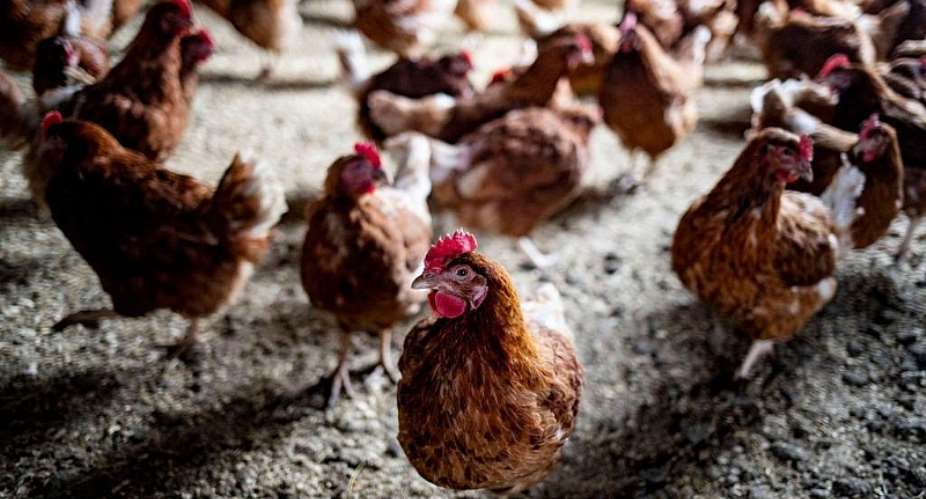
The warning comes from Institute Pasteur, whose respiratory-infection experts say that currently circulating bird-flu viruses especially highly pathogenic strains like the H5 variant could pose a grave risk if they mutate to spread efficiently between humans.
So far, the bird flu virus spreads mainly among wild birds, poultry and, in some cases, mammals not via sustained human-to-human transmission.
Humans lack widespread immunity against bird-flu strains such as H5. According to the Institute Pasteur, this is akin to early COVID-19: “people have no antibodies against H5,” meaning large populations would be fully susceptible if transmission starts.
What could make it “worse than COVID”
Unlike seasonal flu strains (or many COVID-19 infections), some bird flu viruses can at least in theory kill even healthy individuals, including children. This raises the specter of high mortality across age groups, not just among “vulnerable” populations.
Moreover, because bird-flu viruses are flu viruses (not corona viruses), they may evolve differently: they could combine or “reassort” with seasonal flu strains, or adapt to more effectively infect mammals scenarios that increase their pandemic potential.
The global spread of bird-flu among birds and some mammals (cattle, poultry, and wild mammals) already disrupts food supplies, due to massive culling of poultry and other animals. A human outbreak could amplify the disruption affecting health systems, food availability, and global supply chains.
But risk remains uncertain (for now)
Experts emphasize that human-to-human transmission has not become common. So far, human cases are rare and mostly linked to close contact with infected animals (poultry, cows, etc.), not from spreading among people.
According to the World Organization for Animal Health, while the possibility of a pandemic cannot be ignored, the probability remains low at present.
On the bright side: unlike early in COVID-19, our scientific community now has flu-specific preparedness tools vaccine candidates, antiviral, and more experience in pandemic response which could mitigate the impact if bird-flu did spill over widely.
What this means for the world (and Ghana / Africa)
Vigilance matters. Monitoring wildlife, poultry, and farms for outbreaks especially in regions with many domestic birds will be critical.
Preparedness counts. Governments and health systems should invest now in surveillance, rapid diagnostics, and flu-vaccine / antiviral stockpiles.
Public awareness is key. People should avoid close contact with sick or dead birds, and follow hygiene and insecurity guidance if handling poultry.
Global coordination needed. Because bird flu spreads via wild birds (which migrate across continents), this isn’t just a local issue it’s a global concern.
Conclusion
While it’s not inevitable that bird flu will become “the next COVID-19,” experts warn that if key mutations arise enabling sustained human-to-human spread a bird-flu pandemic could potentially be worse than COVID-19. The difference lays less in what’s already happened and more in what could happen if the virus evolves.
Mustapha Bature Sallama
Medical Science communicator.
Private Investigator and Criminal
Investigation and Intelligence Analysis,
International Conflict Management and Peace Building. Alumni Gandhi Global Academy United States Institute of Peace.
[email protected]
+233-555-275-880


 Mahama unveils H-Enabler platform to boost health investment and manufacturing i...
 Calm restored at Larteh Ahenase after Odwira Festival disturbances — Police
 Young woman found hanging from mango tree at Kasoa Akweley Peace Town
 Service Machinery Ghana Limited MD caged over alleged $1m fraud against employer
 Bawumia pledges support for John Boadu-led NPP leadership ahead of 2028
 Boakye Agyarko pledges support for John Boadu, calls for NPP unity after electio...
 Meet the newly elected national executives to lead NPP return to power in 2028
 'I extend my hand of friendship, partnership to contenders for ideas, experience...
 Rwandan genocide suspect 'hunter' Dafroza Gauthier dies at 72
 Brazilians begin voting in tight election between Lula and Flavio Bolsonaro


