




To address the crisis effectively, Ghana must adopt a multi dimensional strategy built on regulation, technology, enforcement, environmental rehabilitation, and community development. Below are proposed mechanisms the Government of Ghana could employ:
1. Regulatory Clarity and Licensing Reform:
•Simplify and digitalize licensing: Streamline the process for obtaining small scale mining licenses, reduce bureaucratic delays, and introduce an online database of all valid permits.
•Define exclusion zones: Legislate and publish clear maps showing areas off limits to mining, such as watercourses, forest reserves, and protected zones.
•Mandate traceability of gold: Introduce a gold tagging and certification system to track production from mine to market, preventing illegally mined gold from entering the supply chain.
2. Technological Monitoring and Data Systems:
•Deploy satellite and drone surveillance: Use real time satellite imaging and drone technology to detect illegal mining hotspots and track land degradation.
•Community monitoring networks: Train local volunteers, traditional councils, and assembly authorities to report illegal activities using digital platforms or hotlines.
•Integrated data sharing: Link data systems of the Minerals Commission, Environmental Protection Agency (EPA), Forestry Commission, and security agencies for coordinated decision making.
3.Enforcement and Legal Action
•Establish a permanent Anti-Galamsey Task Force: A specialized, well-trained, multi-agency unit equipped with surveillance tools, environmental inspectors, and legal officers to ensure consistent enforcement.
•Fast-track mining offences through special courts: Swift, transparent prosecution of offenders including financiers and equipment suppliers will restore public trust.
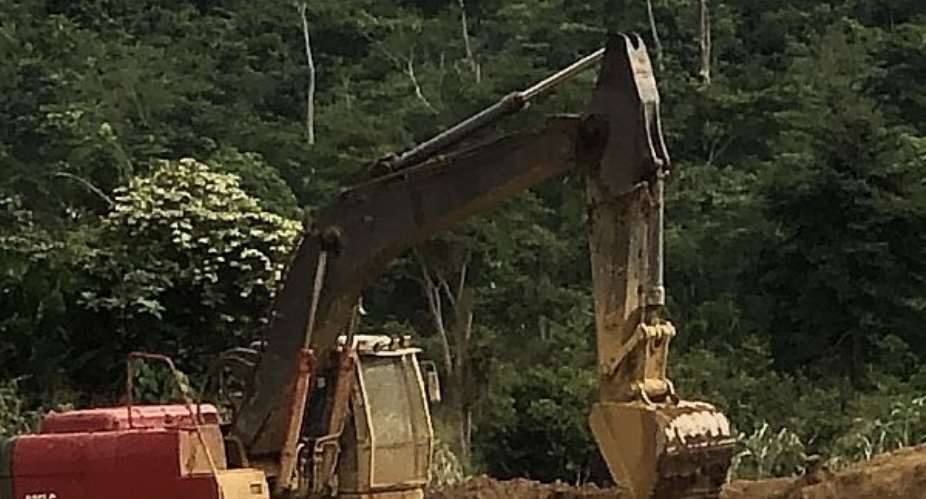
•Confiscate and repurpose seized equipment: Instead of destroying excavators, reallocate them to district assemblies for public works or environmental reclamation.
4. Environmental Rehabilitation:
•National Reclamation Fund: Create a dedicated fund financed through royalties and donor contributions to rehabilitate degraded lands and restore polluted rivers.
•Polluter-Pays Enforcement: Compel both legal and illegal operators to bear the cost of reclamation where their activities caused damage.
•Eco-restoration projects: Partner with youth groups, mining firms, and NGOs to reforest mined areas and promote eco-tourism in rehabilitated zones.
5. Livelihood Alternatives and Local Empowerment:
•Community mining initiatives: Encourage the Community Mining Scheme” model where locals are granted controlled, monitored concessions with proper training and equipment.
•Youth employment programmes: Introduce vocational and agro based programmes in mining districts to reduce dependence on illegal mining.
•Access to finance and training: Provide micro credit, modern equipment leasing, and technical education for licensed small scale miners to boost productivity and compliance.
6. Governance and Transparency:
•Strengthen oversight institutions: Build capacity within the Minerals Commission, EPA, and district assemblies for regular field inspections and audits.
•Combat corruption: Enforce strict sanctions for officials who collude with illegal miners or facilitate fraudulent licensing.
•International cooperation: Work with gold-importing countries, refineries, and global financial watchdogs to block smuggled gold from Ghana’s illicit trade channels.
Implementation Roadmap:
A structured implementation plan can ensure results within five years:
•First 6 months: Digitalization of licensing, deployment of drone/satellite surveillance, formation of anti-Galamsey task force.
•6–18 months: Public education campaigns, establishment of traceability systems, activation of reclamation fund.
•18–36 months: Community mining expansion, youth livelihood programmes, launch of special mining courts.
•3–5 years: Full integration of small-scale miners into formal frameworks, large-scale environmental restoration, annual progress audits.
Galamsey is not merely an environmental issue it is a governance and socio-economic crisis. The fight against it must therefore go beyond military operations and punitive raids. Ghana’s long-term success depends on creating a balanced system that rewards compliance, punishes impunity, and provides sustainable livelihoods for communities dependent on mining.
By adopting a coordinated, technology-driven, and inclusive approach, the Government of Ghana can turn this challenge into an opportunity: transforming small-scale mining from a source of destruction into a driver of responsible growth, rural empowerment, and national pride.A decisive, transparent, and sustained effort today will determine whether Ghana’s gold continues to enrich its people—or erode its future


 Abronye loses again as Court of Appeal dismisses bid to halt Samson Anyenini’s d...
 Over 30 women feared trapped in prostitution in Savannah as GIS arrests traffick...
 Govt pays GH¢24.8bn to statutory funds since January — Ato Forson
 Seven missing Axim fishing canoe crew located in Togo’s waters — Western Regiona...
 Health Ministry assures Ghanaians of readiness to manage Ebola cases
 FDA shuts down Arcan Bitters factory again over illegal production in Ashanti Re...
 PAC chair praises NPA CEO Edudzi Tameklo’s performance at committee hearing
 Ghanaian jailed nine months in US for using relative’s social security number to...
 Ukraine war: I'm going to Russia to convince President Putin to ceasefire — Maha...
 'Prof. Jane Naana is Vice President of Ghana; not for women and girls' — Victori...


