




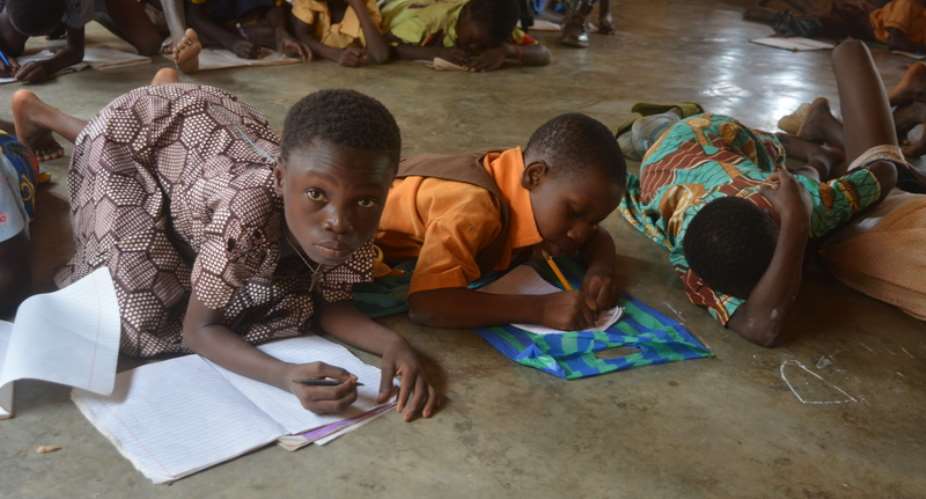
Across many African classrooms, failure is treated as a moral crime rather than a learning opportunity. Students are often shamed, mocked, or punished for poor performance, with teachers displaying low scores as public evidence of “laziness.” But such practices do more harm than good. They destroy confidence, silence curiosity, and convince children that they are incapable long before they are given a fair chance to grow.
Education is meant to nurture, not to humiliate. Yet in many schools, grading systems and classroom cultures focus more on punishment than progress. A student who struggles with mathematics, for instance, is branded as “weak,” while one who forgets an answer is laughed at by peers, sometimes encouraged by the very teacher who should protect their dignity. These experiences shape lifelong attitudes toward learning and self-worth.
In more progressive education systems around the world, assessment is designed to measure effort, growth, and understanding, not just the ability to recall facts. Teachers are trained to give constructive feedback, guiding students toward improvement instead of condemning them to failure. A child’s grade is not a final judgment but a starting point for dialogue and support.
This approach reflects a deeper philosophy: no human being deserves a zero. Behind every test script is a story of effort, anxiety, or silent struggle. Every child who attends class, listens, and tries, however imperfectly, has demonstrated commitment. The role of a teacher is to recognize that effort and build upon it, not erase it with a red mark of rejection.
Psychological research supports this idea. Encouragement strengthens motivation; humiliation kills it. When students are ridiculed for mistakes, their brains associate learning with fear, making them less likely to engage or ask questions. In contrast, when teachers acknowledge effort, students develop resilience, the ability to persist despite setbacks.
The time has come for Africa to reform its education culture. Compassionate teaching must replace punitive instruction. Instead of using exams as weapons of shame, educators should use them as mirrors that reflect both progress and potential. Training programs should emphasize emotional intelligence, inclusive assessment, and the importance of positive reinforcement.
Parents too must play their part. A child’s value is not measured by grades but by growth. Every failure is a chance to learn, not a reason to scold. When home and school both uphold dignity, children thrive.
We cannot continue to break the very minds we hope will build our continent’s future. A zero may look like a small mark on paper, but to a child, it can mean the end of confidence and curiosity.
Let us rebuild our education systems around empathy, fairness, and respect.
Because every child, regardless of background or ability, deserves not shame but a chance.
We can build a better Ghana. We can build a better Africa.
By Centre for Research and Education Policy

 Government targets GH¢15.38bn domestic financing in Q4 to support 2027 bond buyb...
 Obuasi SHTS sex scandal: GES to ban teachers from inviting students to bungalows...
 Adwoa Safo to contest Dome-Kwabenya parliamentary seat again
 UG directs students with CGPA below 1.00 to go home
 Uganda Revenue Authority delegation visits TOR to understudy Ghana’s oil refinin...
 Attorney-General appeals ruling halting trial of former Buffer Stock CEO, wife
 NAIMOS destroys 1,970 changfans, 863 Illegal mining structures in three months —...
 Let's see how Asiedu Nketia becomes NDC flagbearer with same people he conspired...
 Obuasi SHTS sexual abuse: 'GES must distant itself, allow the law to work' — For...
 Upper East: Fear grips nine Kusaug communities over mysterious fish deaths in da...


