




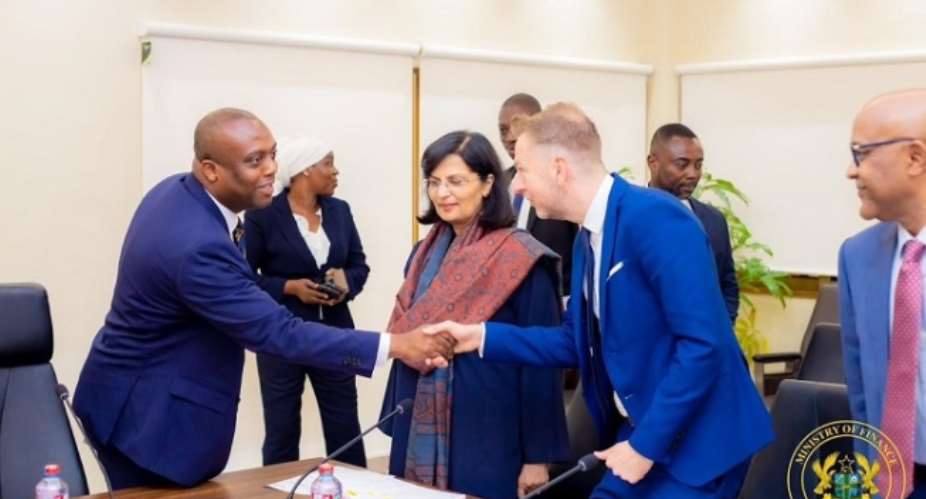
Ghana is moving decisively toward vaccine self-sufficiency by 2030, with plans underway to establish a state-of-the-art pharmaceutical manufacturing hub in Accra.
This major initiative, expected to reduce the country’s dependence on imported vaccines, also aims to create thousands of jobs and stimulate broader economic growth.
Deputy Minister of Finance, Thomas Nyarko Ampem, made the announcement on Wednesday, May 7, 2025, during a meeting at the Ministry of Finance with Dr. Sania Nishtar, CEO of the Global Alliance for Vaccines and Immunisation (GAVI).
According to Mr. Ampem, the government has already taken significant steps to strengthen Ghana’s healthcare infrastructure, including the removal of the spending cap on the National Health Insurance Scheme (NHIS)—a move that has freed up GH¢30 billion for healthcare delivery.
“The government's focus on the health of Ghanaians is firm. This funding will allow for timely access to services and help us move away from GAVI support by 2030,” Mr. Ampem stated.
He also highlighted that the upcoming pharmaceutical hub, developed in partnership with GAVI, would not only position Ghana as a leader in vaccine production within West Africa but also enhance the value of local resources and generate employment opportunities.
“This hub will not only offer jobs to Ghanaians but also increase the value of our local resources and support broader economic activity,” he added.
Health Minister Kwabena Mintah Akandoh, who joined the meeting, praised Ghana’s leadership in immunisation efforts within the region. He attributed the country’s progress to its longstanding cooperation with GAVI.
“Our vaccination programme continues to be a lifeline for children in Ghana, and we intend to build on these achievements,” Mr. Akandoh said.
GAVI CEO Dr. Sania Nishtar commended Ghana’s achievements in vaccine delivery, especially its growing reach among women, which she said is underpinned by trust in the health system.
“Ghana's health achievements in vaccine coverage are worth noting. We are ready to support the country as it works towards vaccine independence by 2030,” Dr. Nishtar stated, according to the Ministry's post.
However, she also underscored the importance of consistent and sustainable funding to safeguard progress in the health sector, warning that complacency could undermine recent gains.
As Ghana prepares to transition from GAVI support, the pharmaceutical hub is expected to serve as a cornerstone in the country’s health sovereignty agenda, significantly expanding local capacity in vaccine manufacturing and supply.
 NACOC raids Central University, arrests 5 students in possession of wee-infused ...
 Ireland deports 42 South Africans
 Chief Justice Baffoe-Bonnie's Canada trip self-funded — Judicial Service
 Ghana summit charts path from 'recognition to action' on slavery reparations
 Boakye Agyarko is best suited to lead NPP as National Chairman – Kpandai MP
 African Union condemns deadly Niamey airport attack, pledges support to Niger
 Don’t see Ken’s comment as war but opportunity for reconciliation — Kwasi Kwarte...
 Kennedy Agyapong’s claim Defence Committee was stopped from visiting Afari Milit...
 'We only corrected a miscommunication' — Agric Minister dismisses rift with Fina...
 Ghana invests too little in early childhood despite 80% poverty rate among under...


