




Ridge Hospital — A National Example of a Systemic Failure and How to Fix It
Executive Summary
ACCRA —The state of Ghana’s public healthcare system is deteriorating despite the best intentions of its leaders. Hospitals, particularly Ridge Hospital, a symbol of modern medical infrastructure in Accra, are struggling to provide essential services due to non-functional laboratories,sanitation failures, and certain essentials shortages. The reality of patient neglect, coupled with systemic corruption and ethical misconduct, has left citizens vulnerable, increasing the financial burden on families and exacerbating health crises. This article outlines a strategic policy reset to address these urgent challenges, with Ridge Hospital serving as a case study for systemic reforms necessary to restore the country’s healthcare sector to its rightful place.
"A healthcare system may be blessed with modern infrastructure, but without functional diagnostics, hygiene, and access to essential drugs, it becomes a monument to unmet potential." — Bismarck Kwesi Davis
Background: Ridge Hospital - A Symbol of Deterioration
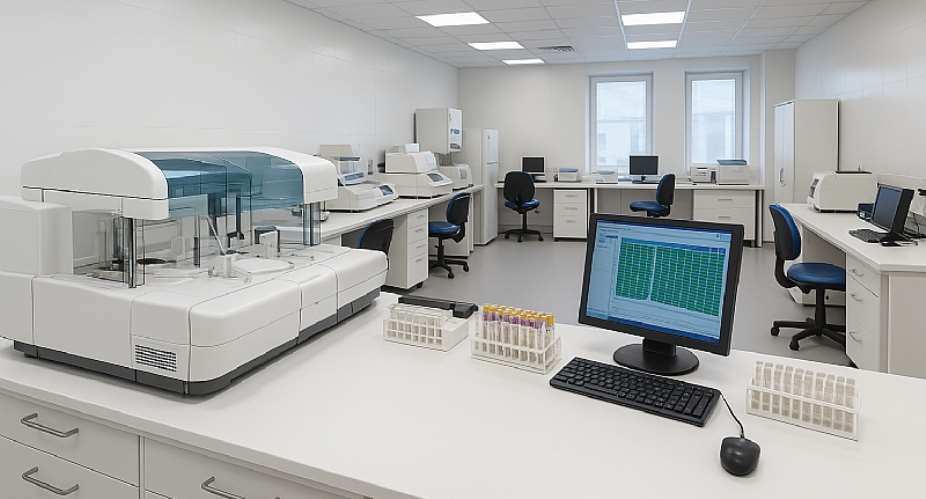
Ridge Hospital, once lauded as a cornerstone of Ghana’s healthcare ambitions, now serves as an unfortunate emblem of the public healthcare system’s decline. This facility, despite its state-of-the-art design, suffers from a myriad of operational failures that undermine its ability to provide quality care:
-Non-functional diagnostic labs, leaving patients with no choice but to seek expensive private services.
-Broken, unsanitary washrooms that fail to meet the most basic standards of hygiene and dignity.
-Chronic overcrowding, with patients forced to sleep outside due to bed shortages.
-Drug shortages in the pharmacy, forcing patients to procure essential medicines from private pharmacies.
-Referral corruption, where doctors often send patients to third-party labs or pharmacies that may be personally beneficial to them.
This situation is not isolated to Ridge alone, but reflective of a widespread systemic crisis across public healthcare facilities in Ghana. Addressing these issues requires a bold, comprehensive reset in policy, governance, and accountability.
I. Systemic Issues Identified In Most Of The Public Hospitals In Ghana
1. Non-Functional Public Labs
Diagnostic services are critical for timely and accurate patient care. However, many public hospitals, including Ridge, operate with non-functional or under-equipped labs, leading to delays in diagnosis and treatment. This issue forces patients to seek diagnostic services from expensive private laboratories, contributing to a two-tiered healthcare system that discriminates against the poor.
2. Corruption in Referral Practices
A particularly troubling phenomenon in Ghana’s public hospitals is the unethical practice of referring patients to private laboratories or pharmacies. This practice, often driven by personal financial gain, exploits vulnerable patients and undermines trust in the healthcare system. Some doctors have been accused of benefiting from these referrals, creating a corruption ecosystem that allows such practices to thrive.
3. Sanitation Failures
Many public hospitals suffer from poor sanitation, with broken and unsanitary washrooms in the Outpatient Department (OPD). This results in discomfort, health risks, and an overall dehumanizing patient experience. In some cases, patients are forced to wait for hours or even days without access to basic hygiene facilities, contributing to further health complications.
4. Chronic Bed Shortages and Overcrowding
The issue of overcrowding is rampant in public hospitals across Ghana. In some of the Hospitals, patients are forced to sleep on the floor or even outside the hospital due to severe bed shortages. This overcrowding leads to compromised care, increased infections, and diminished patient dignity.
5. Drug Shortages and Pharmacy Failures
Despite the presence of large pharmacies within government hospitals, essential medications—including antibiotics, painkillers, and chronic disease drugs—are often out of stock. This forces patients to purchase medication from private pharmacies, often at inflated prices. Pharmaceutical referrals, where patients are sent to specific private outlets, exacerbate this issue, raising concerns of unethical behavior by hospital staff and management.
II. Strategic Policy Reset: Pillars of Reform
To address these challenges, the following five strategic pillars of reform must be implemented to restore integrity, functionality, and patient-centered care in public hospitals across Ghana.
1. National Hospital Performance Dashboard
The introduction of a public-facing digital platform will allow for real-time monitoring of hospital performance. The platform should track the following KPIs:
Bed availability and overcrowding
Laboratory functionality and turnaround times
Hygiene and sanitation standards
Pharmacy stock levels and drug availability
Hospitals that fail to meet established standards will face public accountability and performance-linked penalties.
Action: The Ministry of Health, in partnership with the Ghana Health Service, should develop and maintain this platform.
2. Mandatory Functional Lab Policy
It is imperative that every hospital diagnostic lab be operational 24/7, with mandatory auditing to ensure that laboratories meet high-quality standards. Public hospitals should no longer rely on private labs for basic diagnostic services, and laboratory corruption must be penalized through strict monitoring and enforcement.
Action: A national hospital laboratory certification program should be introduced to ensure consistent quality across all public healthcare facilities.
3. Hospital Sanitation and Hygiene Improvement Act
All public hospitals should meet internationally recognized standards of sanitation and hygiene. This includes the provision of clean, functional washrooms in all OPDs and patient areas. Regular audits by independent sanitation boards should be carried out to ensure compliance.
Action: The Ministry of Health should work with public health agencies to ensure 24-hour cleaning staff rotations, and strict sanitary regulations.
4. Anti-Referral Corruption Framework
A zero-tolerance policy for unethical referral practices must be implemented across all public hospitals. This includes whistleblower protection for both patients and staff who report unethical referral behaviors. Real-time electronic referral systems should be developed and integrated into the National Health Insurance Scheme (NHIS) to track and monitor all referrals.
Action: New anti-corruption legislation should be introduced to criminalize unethical referral practices and ensure transparency.
5. Public-Private Partnership (PPP) for Bed Expansion
The chronic bed shortage across public hospitals can be addressed by incentivizing private investment in hospital bed expansion through public-private partnerships (PPPs). Additionally, modular emergency wards should be developed to accommodate overflow patients, particularly in bustling urban centers.
Action: The Ministry of Health should create incentives for private investors to help increase bed capacity in both urban and rural areas.
III. A Powerful Recommendation: Appoint a Chief Hospital Performance Officer (CHPO)
To ensure accountability and drive meaningful change, a Chief Hospital Performance Officer (CHPO) should be appointed within the Ministry of Health. This officer would be tasked with:
Overseeing hospital audits and performance evaluations.
Ensuring implementation of sanitation, lab functionality, and drug availability standards.
Publishing an annual performance report for all public hospitals, ensuring that citizens and stakeholders are informed and can hold hospitals accountable.
This role should be independent of political influence, focusing solely on operational excellence and patient care outcomes.
IV. The Role of the 24-Hour Economy Vision
President John Dramani Mahama’s vision for a 24-hour economy is inextricably linked to the future of healthcare in Ghana. For the healthcare system to meet the growing demands of the population, it must be accessible 24/7.
This includes:
1. Round-the-clock diagnostic services in all regional hospitals.
2. 24-hour pharmacies to ensure continuous access to essential medicines.
3. Night-shift incentives for medical and support staff to improve availability and patient care.
This model will ensure that healthcare does not sleep, providing citizens with timely access to care at any hour of the day.
V. Global Case Study: Thailand’s Health System Transformation
Thailand’s Universal Coverage Scheme (UCS), implemented from 2005 to 2012, serves as an exemplary model for reforming Ghana’s healthcare system. The UCS successfully integrated hospital performance monitoring and universal health coverage, ensuring that all public healthcare institutions adhered to high standards. The implementation of regular hospital audits, patient-centered reforms, and accessible care for all citizens led to significant improvements in the country’s overall healthcare outcomes.
Ghana can learn from Thailand’s hospital performance system and adapt it to suit the local context, especially as the nation strives to improve healthcare equity and patient outcomes.
Conclusion: A New Beginning for Ghana’s Healthcare System
Ghana’s healthcare system is at a critical juncture. Leadership, bold reforms, and sustained investment are the only ways to pull it back from the brink. Ridge Hospital, as an example of both failure and potential, stands ready to lead the way in this transformation.
With the right policies, leadership, and commitment to excellence, Ghana’s public healthcare system can once again become a source of pride and dignity for all citizens, ensuring that the most vulnerable are not left behind. The reset is now, and the time to act is urgent.
“A healthcare system's true greatness is not measured by its grandeur but by its ability to care for its weakest, without prejudice or delay.” ---Bismarck Kwesi Davis
References
Ghana Health Service. (2024). Operational Audit Report: Greater Accra Regional Hospital (Ridge). Accra.
Health Facilities Regulatory Agency. (2023). Annual Compliance and Facility Functionality Report. Accra.
World Health Organization. (2023). Global Health Facility Sanitation and Ethics Guidelines. Geneva.
Thailand Ministry of Public Health. (2011). Universal Coverage Scheme Health Transformation Report. Bangkok.
Mahama, J. D. (2024). Building the Ghana We Want: The 24-Hour Economy Vision. Accra: NDC Policy Institute.


 Mahama Defends Gold Export Restrictions, Signals Ban on Raw Mineral Exports by 2...
 Judicial Secretary Urges JUSAG to Suspend Planned Strike
 Education Ministry Orders Probe into Alleged Assault at Techiman SHS
 Chief Inspectors’ Amnesty Promotion: Supreme Court grants Police Administration ...
 Police deploy officers and cameras nationwide as TraffiTech-GH enforcement begin...
 Govt to fund travel expenses of mother of murdered Ghanaian teenager to US funer...
 Stop labelling menopausal women as witches – Public told
 Ghana woos investors for US$100million vaccine manufacturing project
 Eight killed, 21 rescued in bus collision on Elubo–Takoradi Highway
 NPP asks US Embassy to suspend recognition of Ghanaian diplomatic and service pa...


