





In my previous series on "Doing Good and Making Money," I highlighted the following key points:
Non-profit Organizations (NPOs) and Non-Governmental Organizations (NGOs) are primarily established to address a range of social, environmental, economic, spiritual, and psychological needs within communities. Their core mission is not to generate profit (money). Rather than distributing any surplus funds to members or founders, NPOs and NGOs reinvest profits into advancing their goals. The ultimate aim of these organizations is to serve society and meet essential societal needs.
On the other hand, profit-making businesses are primarily driven by the goal of generating profits. While many businesses engage in Corporate Social Responsibility (CSR) or Corporate Social Investment (CSI) to address social issues, these efforts are secondary to their main objective: to create profit. Even with the advent of Environment, Social and Governance in businesses, the primary aim of businesses is to do business by generating profit (money);
Social enterprise as a business model, however, provides a middle way of doing good (solving social and environmental challenges) and making money (profit objective).
In light of this, there is a pressing need for governments, particularly in developing countries like Ghana, to implement policies that support and promote social enterprises. Such policies would encourage the growth and expansion of social businesses, offering a viable model for addressing societal issues while also achieving financial success.
How to Start a Social Enterprise
Starting a social enterprise begins with a strong, impactful idea. There are many possible concepts you could explore, and choosing the most appropriate one is crucial. To help you make that decision, several structured exercises can guide you in evaluating and refining your idea. Here’s how to begin:
- Start with an Idea (Idea Generation)
Every successful business begins with an idea. For social enterprises, this idea can stem from various sources: keen observation, identifying an emerging opportunity, or predicting future needs within a community or market. Often, a business idea is shaped by the entrepreneur’s education, personal experience, or insight into a pressing social need.
Ideas may also come as a result of need or the entrepreneurs own experience of need in the area. It is an idea about what products you are going to offer, what services you are going to provide or what goods you are going to sell; where and how you are going to sell them and who are you going to sell them to.
A business idea is therefore a short and precise description of the basic operations of an intended business. A good business starts with a good business idea. Before you can start a good business, you need to have a clear idea of the sort of business you want to run. Use WHAT, WHO, etc. to generate business ideas.
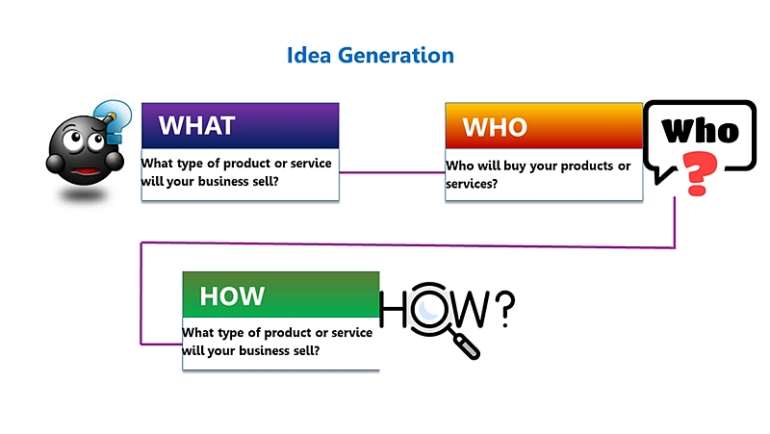
WHAT
What product or service will your social enterprise offer? The foundation of your business idea should be built around products or services that you understand well and are skilled at providing. It's important to choose offerings that people are willing to pay for. Analyzing various business ideas will help you narrow down the one that aligns with your strengths and capabilities, setting the stage for a successful social enterprise.
A service, for example, is something you do for others in exchange for payment, such as shoe shining, delivering messages, safeguarding money at a bank, or repairing items. Your product or service should address a need while also ensuring people are willing to pay for it, balancing both doing good and making money.
WHO
Who will be your customers? Understanding your target audience is crucial for any business. It’s important to define exactly who you intend to serve. Will you cater to a specific demographic, or is your product or service for everyone in the area? There must be enough potential customers who are able and willing to pay for what you offer; without this, your social enterprise won’t be able to generate the profits needed to sustain its operations. Identifying your audience and their needs ensures your business remains focused on doing good while also achieving financial sustainability.
HOW
The process of establishing a social enterprise varies, but there are common pathways to consider:
- An existing commercial business might transition into a social enterprise in response to pressing community needs. This transformation goes beyond corporate social responsibility (CSR) or corporate social investment (CSI) programs, which focus on donations and external contributions. In contrast, social enterprises focus on actively addressing community needs through their core operations, prioritizing societal impact over profit maximization.
- An established community-based or non-profit organization can evolve into a social enterprise by increasing its earned income. For example, a sheltered workshop for people with disabilities could be transformed into a fully sustainable social business, where the organization generates income through its activities while maintaining its social mission.
- A social entrepreneur might identify a specific problem within a community and create a new business from the ground up to address that issue. This business would be structured to generate income from trading and operational activities, ensuring long-term sustainability.
Regardless of the path taken, the first step in establishing any social enterprise is identifying a specific problem or need in the community. Social entrepreneurs are often in tune with their communities, which allows them to pinpoint key issues. From there, they can create a business model that not only solves the problem but does so in a way that also generates profit. This dual focus of doing good while making money is what makes social enterprises a powerful tool for lasting change.
2. Ways of Identifying Social and Environmental Problems
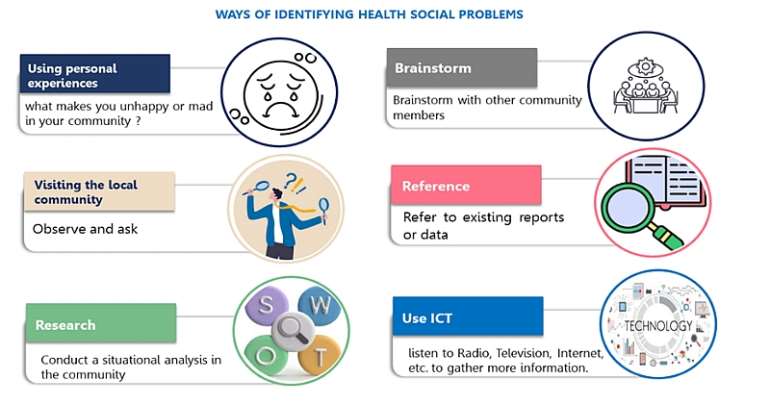
3. Develop the Idea Further to solve the Social / Environmental Need -Business
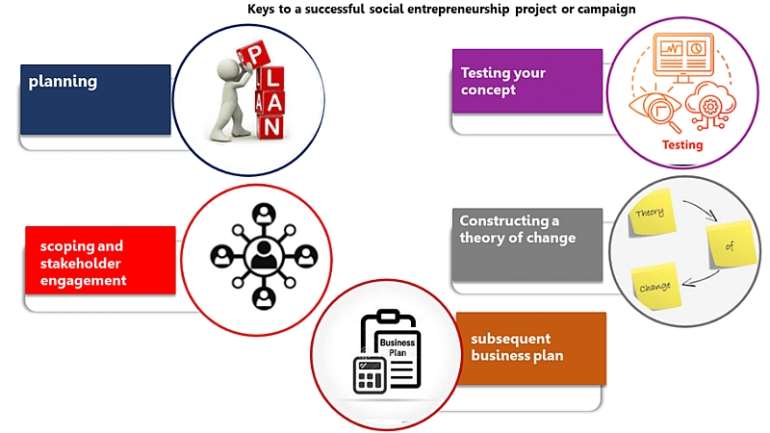
Conclusion
In Part Three, we've covered the essential steps to starting a social enterprise, from generating a viable business idea to understanding your target customers and exploring different pathways for establishing your enterprise. The key takeaway is that a successful social enterprise balances social impact with financial sustainability, ensuring that both community needs and business objectives are met.
As we move forward, the next part will guide you through the important process of registering your social enterprise. This step is crucial for formalizing your business, ensuring legal compliance, and setting a solid foundation for future growth. Let's dive into the details of how to officially establish your social enterprise.
Prof. Ernest Ofori Asamoah
Email: [email protected]


 1,568 new lawyers must use law to advance justice — Chief Justice
 GH¢800,000 worth of goods lost in Kia Rhino truck fire at Amanfrom
 I never said Ghana has more nurses than it needs — Akandoh
 I have tried reaching Boakye Agyarko after NPP chairmanship race, but to no avai...
 Ghana’s Corporate Illusion: Why We Celebrate Professional Titles More Than Natio...
 Sam George, Armah-Kofi Buah, Phyllis Naa Koryoo and OPK among 1,568 lawyers call...
 Visa scandal: 'Ampofo Ankrah’s suspension not enough; Kofi Adams must also step ...
 'Let integrity, discipline guide your conduct' — Samson Lardi tells new lawyers
 Labour Minister optimistic teachers will suspend strike by close of day
 Dr Ato Forson urges MMDCEs to eliminate waste in public spending


