




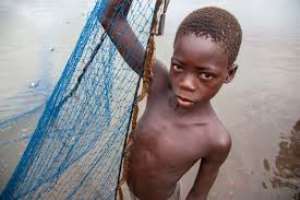
Children in Ghana represent the country’s future, carrying the dreams and aspirations of families, communities, and the nation. Their lives are shaped by a blend of cultural heritage, education, health, and economic circumstances, which all play significant roles in their development. While Ghana has made progress in improving child welfare, challenges still persist, creating a landscape where hope and hardship exist side by side.
One of the most defining aspects of childhood in Ghana is the strong cultural and familial bond that surrounds children. In many homes, children are seen as blessings, and extended families play an active role in raising them. Traditional values of respect, obedience, and communal living are instilled in them from an early age. Festivals, storytelling, and local games are key parts of their upbringing, ensuring they stay connected to their roots. However, while culture provides a foundation, the realities of modern life bring new challenges that children must navigate.
Education remains one of the most critical factors shaping the lives of Ghanaian children. Over the years, the government has made efforts to expand access to education, with the introduction of free primary and secondary schooling. This has increased school enrollment, giving many children an opportunity to learn and grow. Yet, issues such as overcrowded classrooms, inadequate teaching materials, and poor infrastructure still affect the quality of education. In rural areas, many children walk long distances to school, and some struggle to afford school supplies despite free tuition. Additionally, child labor remains a concern, as some children are forced to work to support their families, reducing their chances of completing their education.
Health is another significant area that influences the well-being of children in Ghana. Over the years, improvements in healthcare services, including immunization programs and maternal care, have reduced infant mortality rates. However, access to quality healthcare remains a challenge, especially in remote areas where hospitals and clinics are scarce. Malnutrition, malaria, and waterborne diseases continue to threaten the health of many children, particularly those in poverty-stricken communities. The introduction of the National Health Insurance Scheme (NHIS) has helped provide some relief, but gaps in healthcare access still leave many children vulnerable.
Despite these challenges, Ghanaian children are resilient and full of potential. Many dream of becoming doctors, teachers, engineers, or entrepreneurs, and with the right support, they can achieve these goals. The growing influence of technology and digital learning is creating new opportunities, allowing children to access information beyond their immediate surroundings. Youth empowerment programs, scholarships, and community initiatives are also helping to shape a brighter future for the younger generation.
To truly improve the lives of children in Ghana, continued efforts are needed from the government, communities, and international partners. Investing in education, strengthening healthcare systems, and ensuring child protection are essential steps toward creating a nurturing environment where every child can thrive. By addressing these issues, Ghana can ensure that its children grow up healthy, educated, and equipped to contribute meaningfully to society.


 Houthis blame Saudi air strikes as loud blasts rock Yemen's capital Sanaa
 Creative Arts Agency Board Engages Lands Minister Over Welfare Project for Aged...
 I will rebuild demolished La Pleasure Beach if elected in 2028 to save jobs — Ba...
 Free primary healthcare requires recruitment of more nurses – GRNMA
 Ethiopia's Tigray rebels abandon regional capital as govt advances
 Mahama in Egypt for AU Mid-Year Summit
 SSNIT defends La Beach demolition, cites encroachment and security concerns
 Co-pilot on Flydubai flight was banned from flying by Oman for holding extremist...
 Spanish lawmakers vote down affordable housing bills in blow to Sanchez’s govern...


