




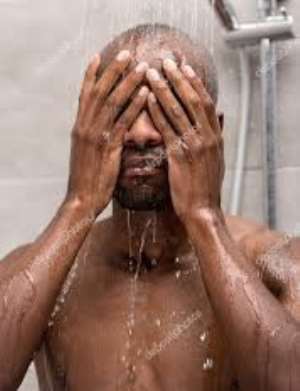
Ghanaian folklore is rich with tales, proverbs, and taboos passed down through generations to instill moral values and social discipline. One such belief, commonly told by elders, is: "Don’t sing while bathing." Many Ghanaians grew up hearing this warning, often with eerie consequences attached to it. But where did this folklore originate, and does it hold any deeper meaning?
Origins of the Folklore
Like many African traditions, oral storytelling plays a crucial role in shaping societal norms. The warning against singing while bathing likely stems from traditional beliefs that associated water, spirits, and personal hygiene with spiritual purity. Some elders claim that spirits lurk around water sources and may be attracted to a singing voice, leading to supernatural encounters. Others believe that singing in the bath could invite bad luck or cause one's voice to crack permanently.
Superstitions and Variations
Different communities in Ghana have their own interpretations of this belief. Some say that singing while bathing can invite snakes or ghosts, while others suggest that it might offend water deities or spirits (known in Akan as mmoatia or abosom). In some traditional settings, water bodies such as rivers and streams are considered sacred, and making noise near them is forbidden to maintain their sanctity.
In certain Akan traditions, it is believed that a child who sings in the bath may call upon a mystical being that could cause them to lose their voice forever. Similarly, the Ga people of Ghana have a version of the warning that suggests that singing while bathing can lead to misfortune, including losing one's ability to sing properly.
Possible Practical Reasons
Beyond the spiritual aspects, there may be practical reasons why this belief was enforced:
Avoiding Accidents: Traditional bathing areas, especially in rural settings, were often near rivers or open spaces with slippery floors. Singing or being distracted while bathing could lead to falls or accidents.
Choking Hazards: Bathing involves using soap and water, which could accidentally enter the mouth if one sings, leading to choking or discomfort.
Respect for Others: In communal homes or compounds, where multiple people share bathrooms, excessive noise (such as singing) might have been discouraged to maintain order and peace.
Modern Perspectives
Today, many young Ghanaians view this folklore as a myth with no scientific backing. However, some still humorously recall childhood fears of mysterious spirits stealing their voices. While modern society has largely moved away from these traditional taboos, the folklore remains a fascinating part of Ghana’s cultural heritage.
Conclusion
The belief that one should not sing while bathing is an example of how Ghanaian folklore blends spiritual, moral, and practical teachings into everyday life. Whether it was meant to instill discipline, prevent accidents, or warn against the unknown, it remains a story that has intrigued generations. Even today, some people might hesitate before humming a tune in the shower—just in case!


 Government must come clean on VALCO's future — Minority
 Supreme Court ruling abolishing delegate system creates more problems than it so...
 “End of the cocoa season pandemic” — Barker-Vormawor hails SC ruling on delegate...
 Supreme Court should also direct EC to include party affiliation in voter regist...
 Supreme Court ruling validates OSP's mandate — Dr. Kojo Asante
 Monetisation in our politics the bane of corruption, delegate system ruling a ma...
 'You cannot continue to buy your way to office' — Nyaho-Tamakloe hails Supreme C...
 'You need GHc4million to win parliamentary election, rising cost threatens Ghana...
 'My mission is to ensure Bawumia becomes President in 2029 when I become Ashanti...
 Court halts Apostle Kwadwo Safo's funeral with 10-day injunction against Adwoa S...

